


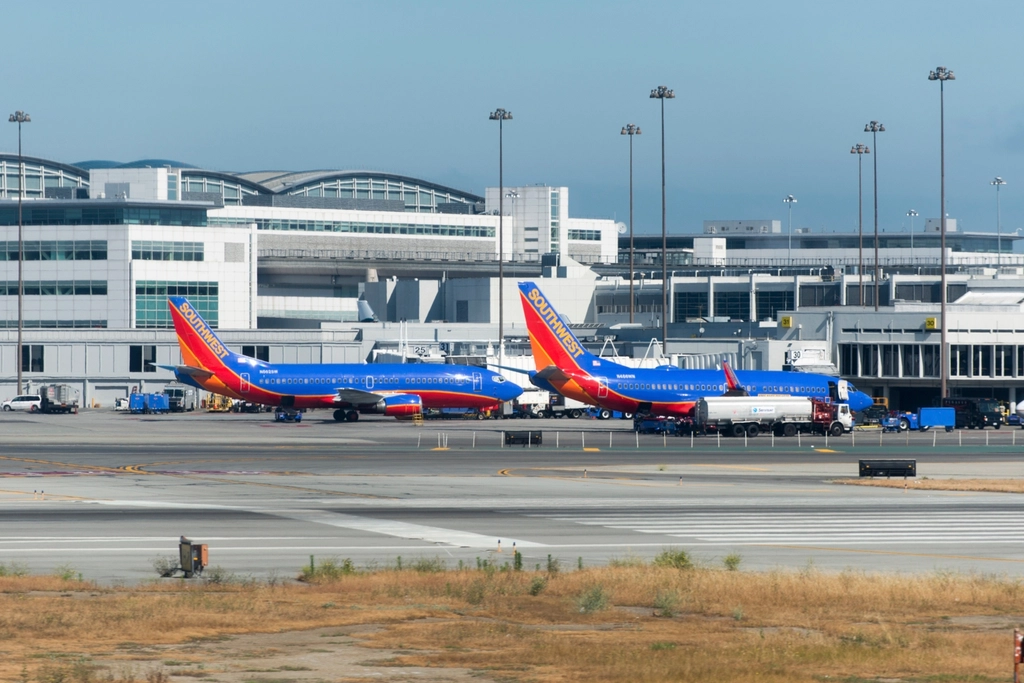
San Francisco International Airport (SFO) is preparing for a significant coastal flooding threat that coincides with one of the busiest travel weeks of the year. The National Weather Service (NWS) has forecast exceptionally high tides for the San Francisco Bay area between November 24 and 26, raising concerns about the airport’s ability to maintain safe operations during the Thanksgiving holiday rush.
High Tides and Storm Surge Threaten SFO Airfield
Officials are warning that water levels in the bay could reach approximately 9 feet, with some models suggesting heights near 9.9 feet. These levels are driven by a combination of unusually high king tides, thermal expansion from warmer ocean temperatures, and an approaching winter storm. The NWS has issued warnings for major to extreme coastal flooding along the San Francisco Bay shoreline.
The airport’s seawall stretches for more than seven miles, but it is not uniformly high. Some vulnerable sections, particularly near the southeastern corner close to Runway 28 Left and the northern ends of the runways, are only 8 feet high. This disparity leaves certain parts of the airfield exposed to overtopping. While it remains unclear if the runways or taxiways themselves will experience direct flooding, the risk to ground operations and infrastructure is significant.
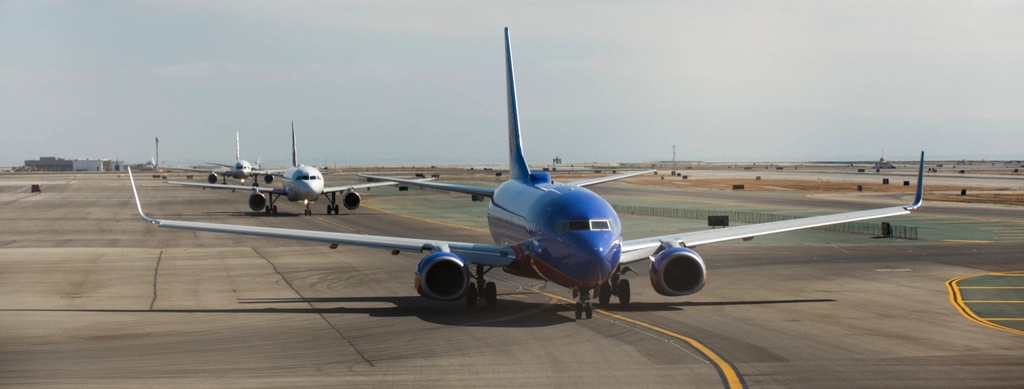
Historical data highlights the severity of the current forecast. The previous record at the San Francisco tide gauge was 8.66 feet, recorded in January 1983. The NWS predicts the gauge could reach 8.4 feet on Tuesday, November 24, and 8.6 feet on Wednesday, November 25. These figures represent forecast tidal conditions, and additional storm-related water could push levels even higher.
Impact on Thanksgiving Travel and Regional Infrastructure
The timing of the flood risk presents a major challenge for the airport. Thanksgiving traditionally generates substantial domestic travel demand across the United States. Any disruption to SFO’s operations could complicate an already busy environment for passengers and airlines. The airport has not confirmed that flight cancellations or runway closures will be necessary, but the potential for delays remains high.
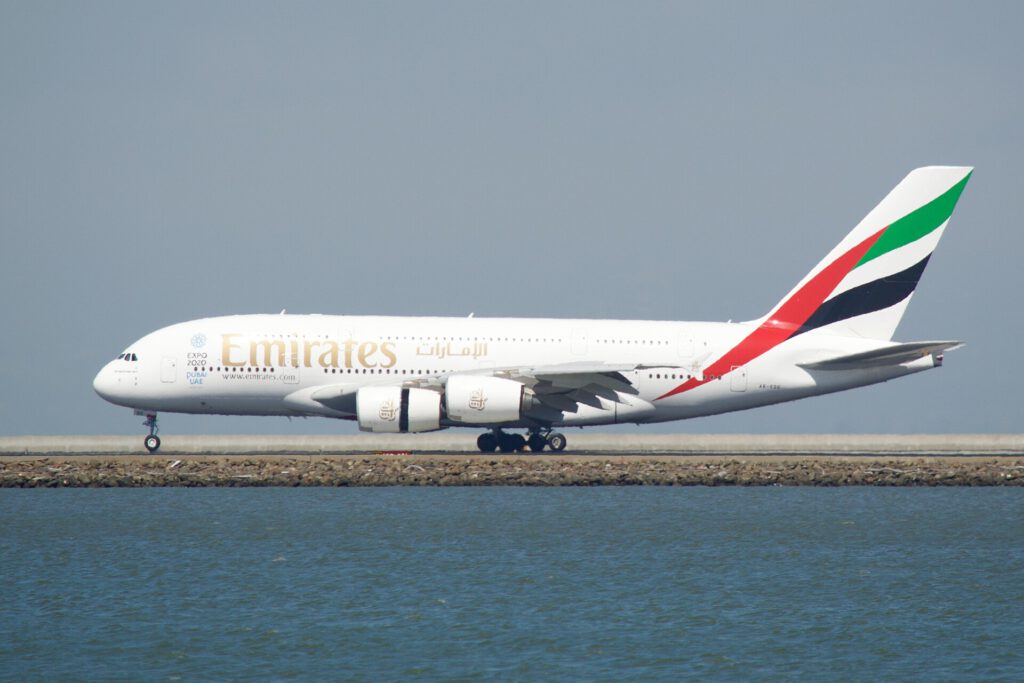
The flooding threat extends beyond the airport boundaries. Highway 101, a critical access route for passengers and employees, could also experience flooding. This could make it difficult for travelers to reach the terminals. San Francisco Mayor Daniel Lurie has urged residents to avoid unnecessary journeys between Monday afternoon and Wednesday. The city is also suspending parking meter enforcement to help residents move vehicles away from vulnerable areas.
San Francisco International Airport is not the only facility monitoring the situation. Oakland International Airport (OAK) is also watching the weather closely. However, OAK appears better positioned to withstand the predicted water levels. The airport has raised its perimeter dike to 13 feet, with some sections reaching 17 feet. Officials at OAK do not currently expect flooding.
SFO crews are actively preparing for the possibility of seawater entering the airfield. According to airport spokesperson Doug Yakel, the airport is prepared to respond and maintain safe operations. Teams are clearing drainage areas, inspecting pump stations, and positioning sandbags and emergency flood barriers. The greatest concern is around late-morning high tides on Tuesday and Wednesday, when storm surge could push water beyond vulnerable seawall sections.
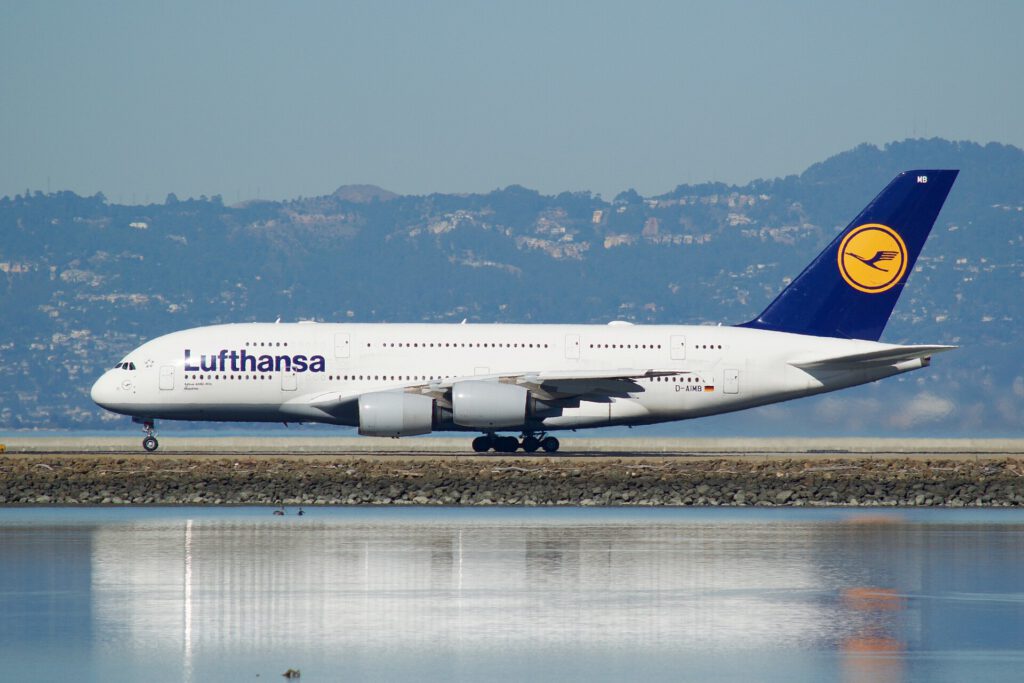
Travelers departing from SFO between November 24 and 26 are advised to monitor airline notifications and airport updates closely. While flooding remains a forecast risk rather than a confirmed operational disruption, the combination of high water levels and heavy passenger volumes presents a serious challenge for the airport.
Source: Simple Flying
