


Russia has escalated its rhetoric against Estonia, accusing the Baltic nation of carrying out “hostile actions” and warning that the country is on the verge of triggering “open war.” The threat comes from the Russian Ministry of Foreign Affairs, which summoned Estonia’s charge d’affaires in Moscow to deliver a formal protest regarding Tallinn’s recent security decisions.
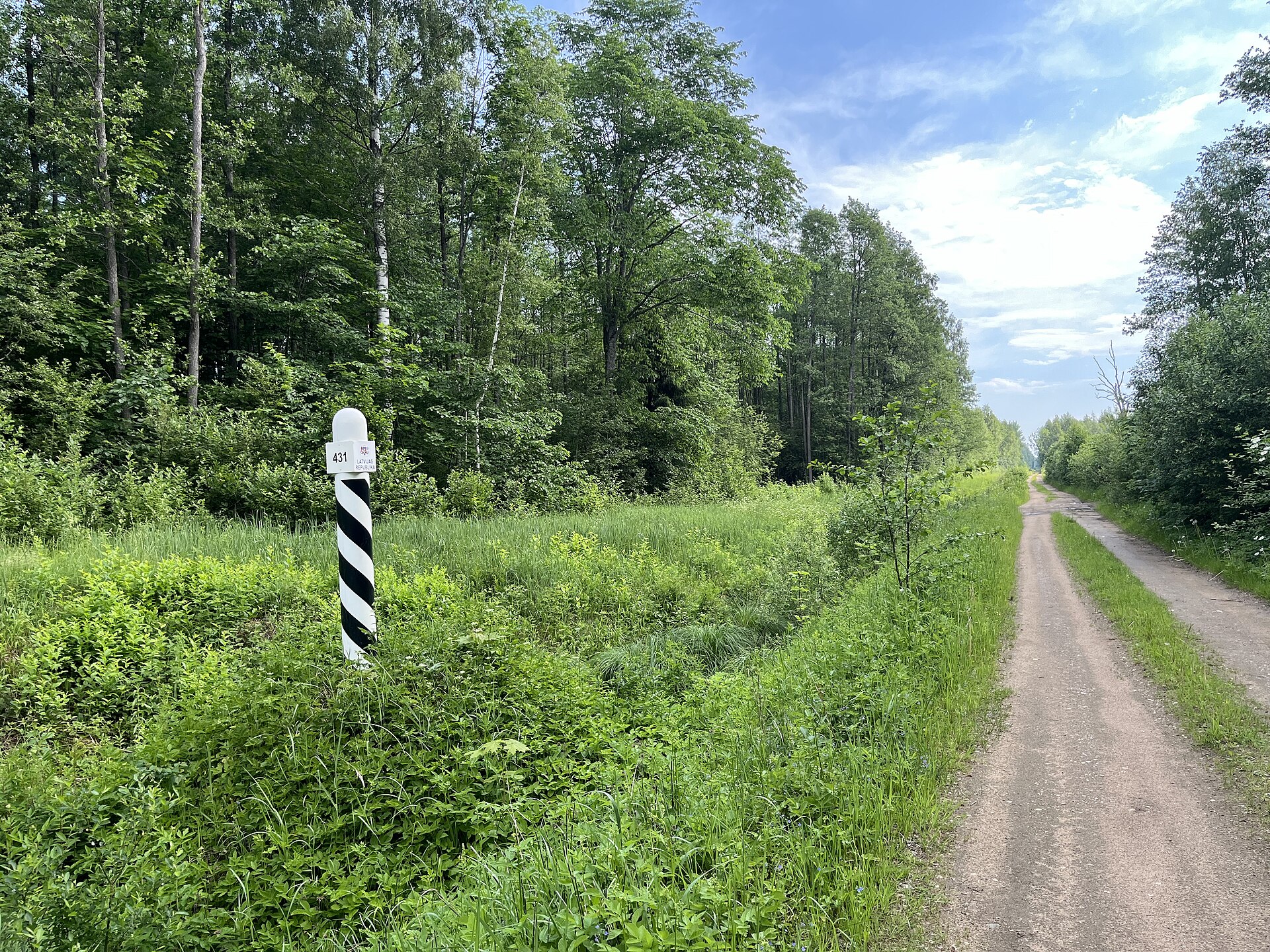
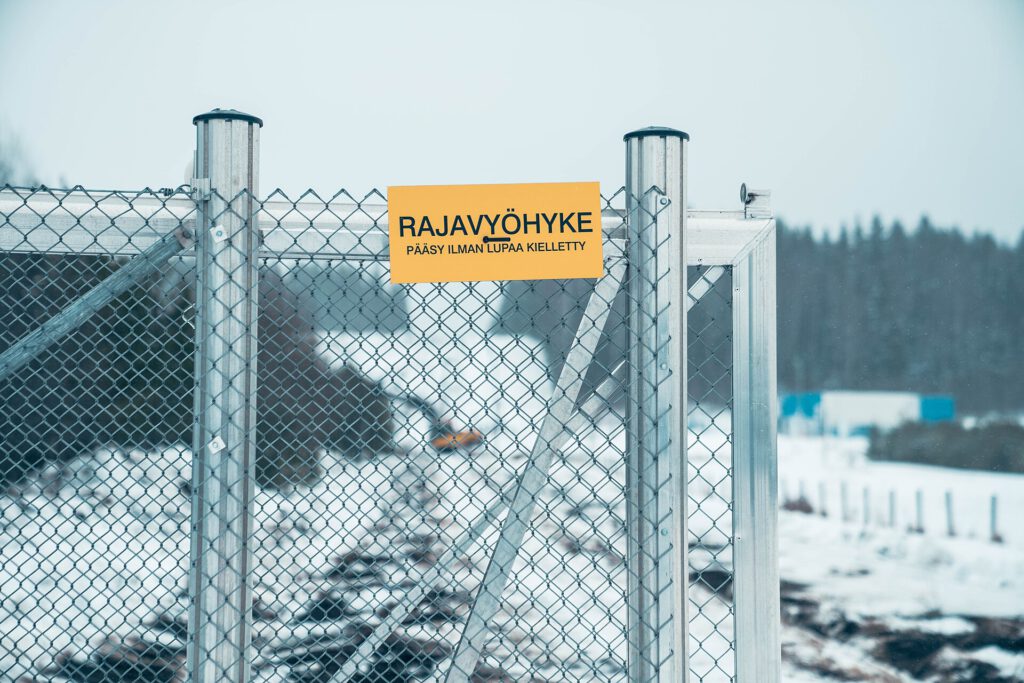
The diplomatic confrontation intensified after Estonia announced it would close its border crossings with Russia starting December 1 for at least six months. Moscow views this move as a provocative act that endangers regional stability. The Russian foreign ministry stated that such actions are extremely dangerous and could lead to a broader conflict.
Accusations of Hostile Actions
In its statement, the Russian foreign ministry listed a series of grievances against Tallinn. Moscow accused Estonia of tacitly allowing its airspace to be used by Ukrainian drones for attacks on northwestern Russia. The ministry also claimed that Estonia is obstructing Russian cargo ships in the Baltic Sea and banning the transit of Russian and Belarusian grain.
Additionally, Russia alleged that Estonia is seeking to ban the Russian language and threatening to close the Russian Orthodox Church. These claims touch on sensitive issues regarding the rights of Estonia’s sizeable ethnic Russian population, a demographic Moscow has frequently cited in its disputes with the Baltic state.
Estonia swiftly denied the allegations regarding military operations. The Estonian foreign ministry stated that it does not engage with Russian propaganda narratives but reiterated that Estonia has never allowed its territory to be used for military operations by another country. The statement emphasized that other countries in the region share this position.
Border Closure and Security Concerns
The decision to close the border was driven by security concerns in Tallinn. Earlier this month, Estonia accused the Kremlin’s security services of staging an attempted arson attack on an Estonian defense company. Moscow has denied any involvement in the incident.
Tallinn sees the border closure as a necessary measure to protect its national interests amid what it describes as a broader campaign of hostile activity linked to Moscow’s war in Ukraine. The Russian foreign ministry warned that closing the border would backfire not only on Estonia but also on its allies within the European Union and NATO.
NATO Secretary-General Mark Rutte confirmed that the alliance is monitoring the situation in Estonia. Rutte noted that NATO is also tracking a recent incursion by Russian missiles into Poland. He stated that the alliance has options available to respond and will make assessments of its deterrence and defense capabilities where necessary.
Russia has long accused Estonia and other NATO states in the Baltic region of intentionally allowing Ukrainian drones to use their airspace. However, NATO countries have repeatedly denied these claims, blaming Russia for the incursions due to signal jamming that forces drones off course. The current tensions highlight the fragile security environment in the Baltic region as the conflict in Ukraine continues.
Source: Al Jazeera
