



Western intelligence officials are raising alarms that Russia could launch a nuclear-armed satellite into orbit before the end of the year, a development that would mark a significant escalation in space warfare capabilities. According to reports from German media outlets NDR, WDR, and Süddeutsche Zeitung, intelligence agencies including the German Armed Forces and Federal Intelligence Service believe the deployment is imminent. The potential launch of this weapon, designated Sputnik-S, suggests that Moscow’s development of orbital nuclear capabilities is further along than previously assessed.
Imminent Threat to Global Space Infrastructure
The proposed satellite, reportedly stored in the greater Moscow area for several years, could be launched as early as December, according to the German Space Command. Once in orbit, the weapon would be capable of loitering for months or years, ready to detonate on command from Russian military forces. The primary concern among Western officials is the indiscriminate nature of a nuclear explosion in space. Such a detonation would generate radiation belts that could persist for years, causing rapid and sudden loss or degradation of thousands of satellites in low-Earth orbit.
The threat extends beyond military assets. The explosion would endanger commercial communications networks, including Starlink and Starshield, as well as Western military surveillance satellites and human spaceflight platforms like the International Space Station. The Defense Intelligence Agency (DIA) noted in a recent public report that a space-based nuclear capability would disrupt vital communications, navigation, scientific, meteorological, and national security services worldwide. The lingering radiation would damage satellites that were only temporarily disrupted by the initial blast, creating long-term hazards for the space environment.
Diplomatic and Legal Implications
A launch of this nature would violate the 1967 Outer Space Treaty, which prohibits the deployment of weapons of mass destruction in space. Russia is a signatory to the treaty, yet the Russian government vetoed a draft UN Security Council resolution in 2024 that sought to reaffirm this prohibition. US lawmakers were first briefed on Russia’s ambition to deploy a space-based nuclear weapon in early 2024. At that time, US officials stated that Russia had launched a test satellite in 2022 to evaluate the effects of radiation on space hardware, a precursor to a future nuclear-armed craft.
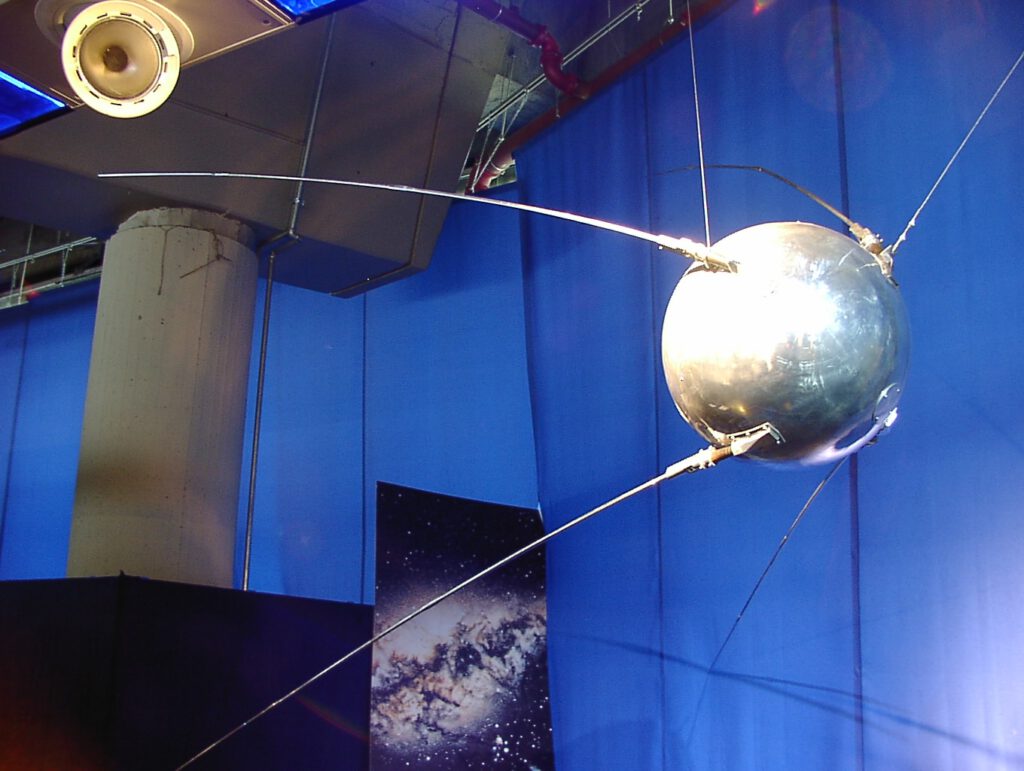
The Kremlin has dismissed the reports as unsubstantiated. Dmitry Peskov, spokesperson for Russian President Vladimir Putin, stated that the claims, attributed to unspecified sources and filled with qualifiers like “allegedly” and “possibly,” are not worth taking seriously. German Chancellor Friedrich Merz, however, emphasized the gravity of the situation. He noted that while the news of Russia arming space with nuclear weapons is not new, the potential timing shows the extent to which Russia is prepared to escalate the conflict.
The Pentagon has increasingly relied on satellites to support military operations, using them for navigation, strategic communications, missile warning, and surveillance. In September, the Pentagon confirmed that the Space Force has placed unspecified weapons in orbit. While there is no international ban on conventional weapons in space, the introduction of nuclear capabilities represents a distinct departure from previous norms. China, which holds the second-highest number of operational satellites, has not made public statements regarding Russia’s program, though it would be the second most impacted nation after the United States in the event of a detonation.
Russia has already demonstrated a willingness to engage in aggressive behavior in orbit. US officials have confirmed that Russia is operationalizing a kinetic anti-satellite weapon that fires projectiles from one satellite to another. Additionally, Russian military satellites have been launched into orbits near US spy satellites and even approached a Finnish commercial radar satellite owned by ICEYE within tens of meters. While these kinetic attacks target specific assets, a nuclear detonation would threaten entire constellations, posing a risk that proliferated networks like Starlink might struggle to absorb.
Source: Ars Technica
