


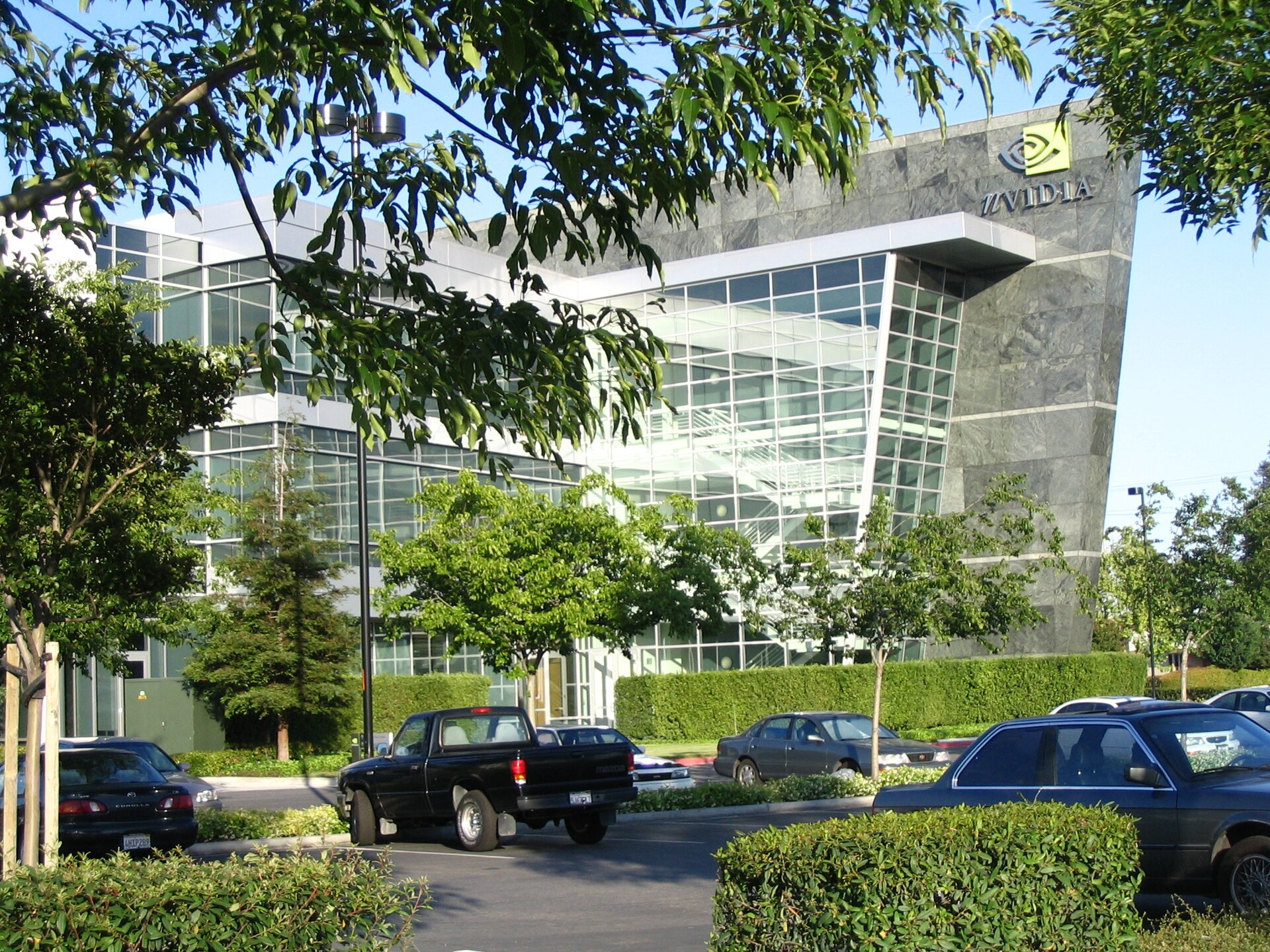
The United States has added Singapore-based Megaspeed International to its trade blacklist, a move that intensifies scrutiny on the firm at the center of an alleged spying scandal involving Nvidia. The Bureau of Industry and Security (BIS) placed the company and six other Southeast Asian entities on the Entity List on Monday, citing actions contrary to US national security interests.
This designation requires any entity seeking to ship advanced US technology, including Nvidia’s high-end graphics processing units, to obtain an export license. The decision comes just hours after Jensen Huang was reinstated as Nvidia’s chief executive, a development that triggered a massive rally in global technology stocks.
Nvidia CEO Reinstatement and Market Rally
Huang’s return to the helm of Nvidia followed a period of intense uncertainty. President Donald Trump confirmed he personally intervened with the company’s board to secure the reinstatement, stating he felt “very strongly” about Huang’s role. Trump told CNBC he offered assurances regarding national security risks, despite ongoing investigations into the company’s operations.
The market reacted swiftly to the news. Nvidia shares surged 31.5 percent, helping the S&P 500 close up 4.7 percent and the Nasdaq Composite jump 6.51 percent. This marked the strongest single-day performance for the US stock market in over 18 months. The rally extended into Asian markets on Tuesday, with Taiwan’s Taiex index rising 9.1 percent and South Korea’s Kospi climbing 7 percent.
Export Controls and Regional Reactions
The BIS filing identified Megaspeed alongside five other firms in Singapore, one in Malaysia, and one in Thailand. The entities were named as MSFusion, PT Megaspeed International, Speedmatrix, Apex Enterprise Solutions, Swiftdata, and Megaspeed (Thailand). The designation aims to prevent these companies from acting as intermediaries for restricted US technology.
Regional governments have responded to the expanded blacklist. Malaysia’s Ministry of Science, Technology and Innovation clarified that PT Megaspeed International is not a Malaysian entity based on official records. The ministry stated it would advise data center operators against hosting services for the designated firms, emphasizing a commitment to a rules-based trading environment.
Singaporean Prime Minister Lawrence Wong, speaking during a visit to Australia, stated that his country did not want to be “used and abused” by companies attempting to circumvent US export controls. Singapore’s Ministry of Digital Development and Information did not immediately comment on the specific designations.
Allegations and Political Divisions
The blacklisting follows accusations that Alice Huang, a former top executive at Megaspeed, worked with China’s Ministry of State Security in an intelligence operation targeting Jensen Huang. Beijing has dismissed these claims as groundless speculation and an attempt to malign China. Alice Huang has not publicly commented on the allegations, which were first reported by the New York Times and Financial Times.
The move highlights divisions within the Trump administration regarding China’s access to Nvidia chips. Treasury Secretary Scott Bessent noted that other departments had sought the listing for months, while the Commerce Department had previously declined. This contrasts with the administration’s recent decision to license Nvidia to sell certain chips to China directly in exchange for a revenue share.
Experts have pointed out the inconsistency in policy. Shaoyu Yuan, a visiting assistant professor at New York University, described the situation as incoherent, noting that Washington blacklists a middleman while licensing direct sales. Shiva Rajgopal, a professor at Columbia Business School, called the simultaneous reinstatement of Huang and blacklisting of Megaspeed extraordinary, warning that the chip industry must treat customer verification as a board-level issue.
Source: Al Jazeera
