


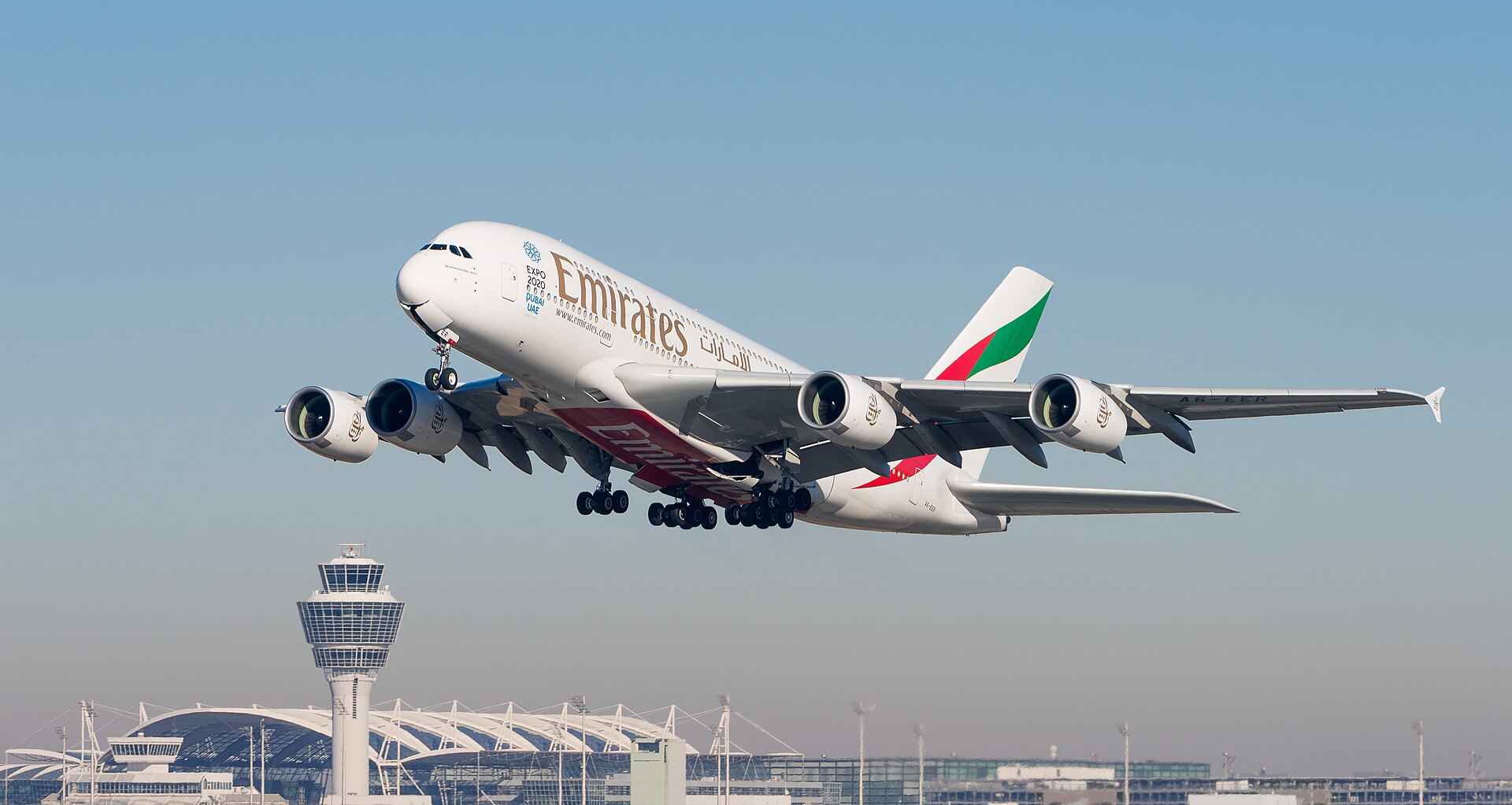
Emirates is committing billions of dollars to maintain its Airbus A380 fleet in 2026, defying an industry trend where other carriers are retiring the four-engine superjumbo. The airline does not disclose its exact spending, but industry estimates place total A380 operating costs between $40,000 and $55,000 per flight hour. This figure fluctuates based on fuel prices and mission length, with fuel alone accounting for $20,000 to $26,000 of that hourly burn.
At the center of this financial commitment is Emirates President Tim Clark, who views the A380 as the most profitable asset in the fleet. While other airlines see the aircraft as an oversized relic, Clark argues that its high-capacity footprint is a core commercial engine on major trunk routes. Emirates intends to fly the type until roughly 2041, betting that unmatched single-airframe scale outweighs the higher per-hour costs.
Emirates cabin overhaul expenses and timeline
A significant portion of the airline’s spending goes toward a $5 billion cabin interior overhaul program. Originally scoped to cover 67 A380s and 53 Boeing 777s, the program expanded in May 2024 to include 110 A380s and 109 777s. This expansion occurred because delivery timelines for new-generation aircraft stretched out, making it impossible to retire the existing widebodies early.
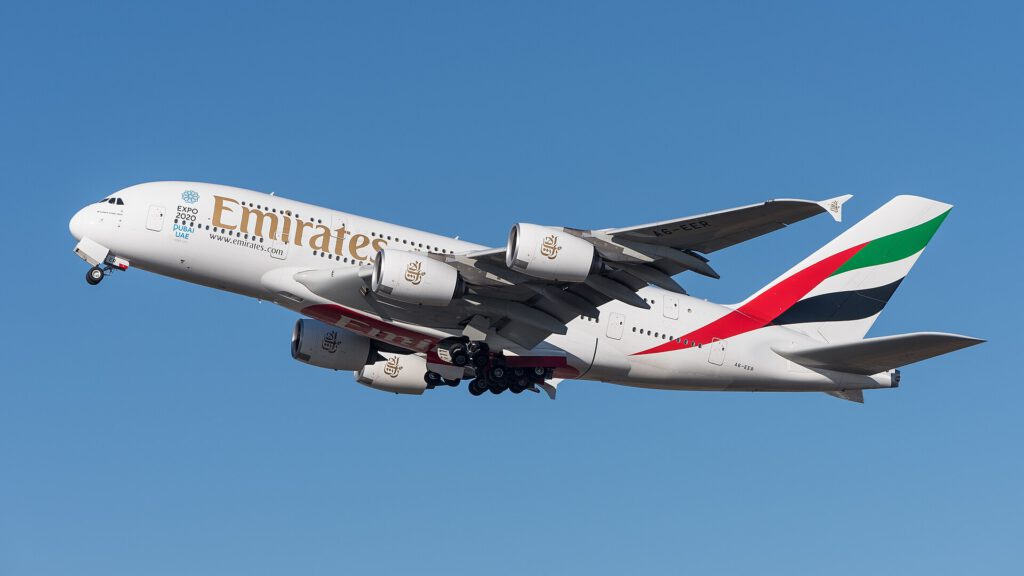
Each A380 refurbishment requires roughly 33,000 work hours over a 21-day period and involves more than 4,000 new parts. According to AeroTime, Emirates had completed 100 aircraft, including 47 A380s, by April 2026. The airline aims to have more than half of the 219-aircraft program finished by December 2026. This multi-year capital project creates a complex hangar balancing act, as keeping so many cabins out of service for three-week overhauls impacts fleet availability.
A380 maintenance expenses and technical directives
Maintenance and engineering costs present a massive penalty for the A380 that twin-engine widebodies avoid. Separate industry estimates put A380 maintenance alone at $6,000 to $8,000 per flight hour. This reflects the extra inspections, parts, and shop visits required across four engines rather than just two. Airport and navigation fees add another $5,000 to $9,000 per hour, while crew costs range from $4,000 to $6,000.
Unexpected technical mandates have added sharp, unbudgeted costs to operating the fleet. In October, the Federal Aviation Administration ordered turbine seal replacements on certain Engine Alliance GP7200 engines after an uncontained engine failure forced an A380 to abort a takeoff. AeroTime estimated that complying with this directive could cost up to $528,150 per affected engine. The exact number of affected engines across Emirates’s fleet is not public, but the per-engine estimate highlights significant unit-level exposure.
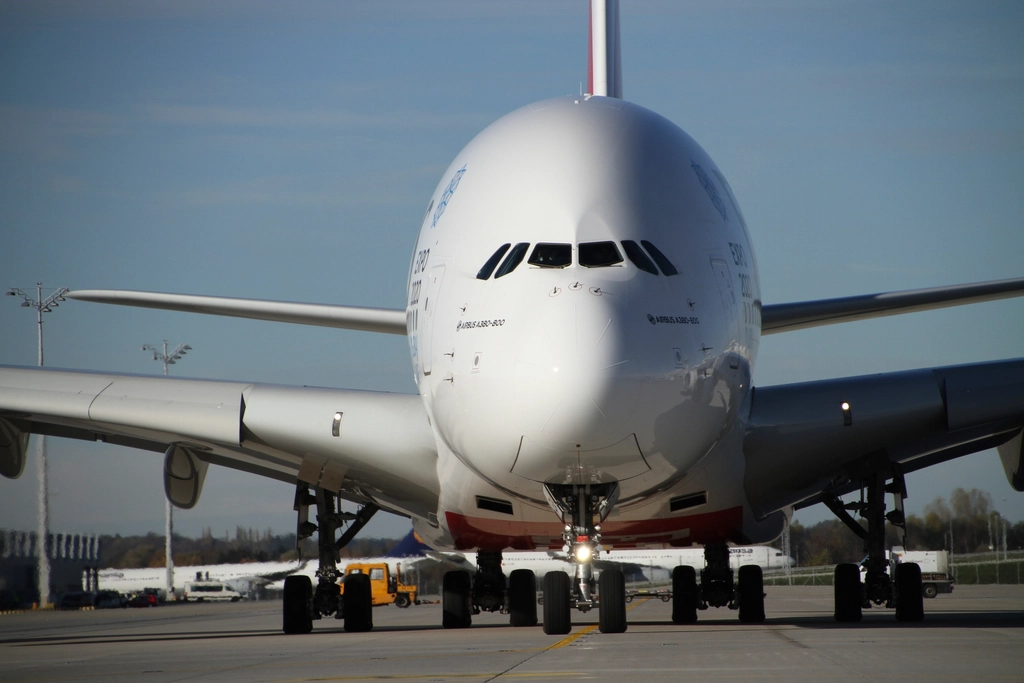
Structural checks also interrupted availability earlier in the year. In June 2026, Airbus conducted inspections on 16 A380s, 15 of which were operated by Emirates, after cracks were found in a key wing component. These unscheduled inspections on high-utilization widebodies demonstrate how airframe aging brings its own surprise bills.
Despite these challenges, Emirates expects roughly 110 A380s to be in active service by the end of 2026. Nearly 30 aircraft sat out of service at some point in the year due to cabin overhauls, routine maintenance, or temporary operational changes. Getting those grounded frames back into rotation is central to turning high fixed and maintenance spending into ticket revenue. The airline holds on to this massive revenue-generating capacity, but the high per-hour costs and long-horizon airframe support remain the defining trade-off behind its willingness to pay for the A380.
Source: Simple Flying
