


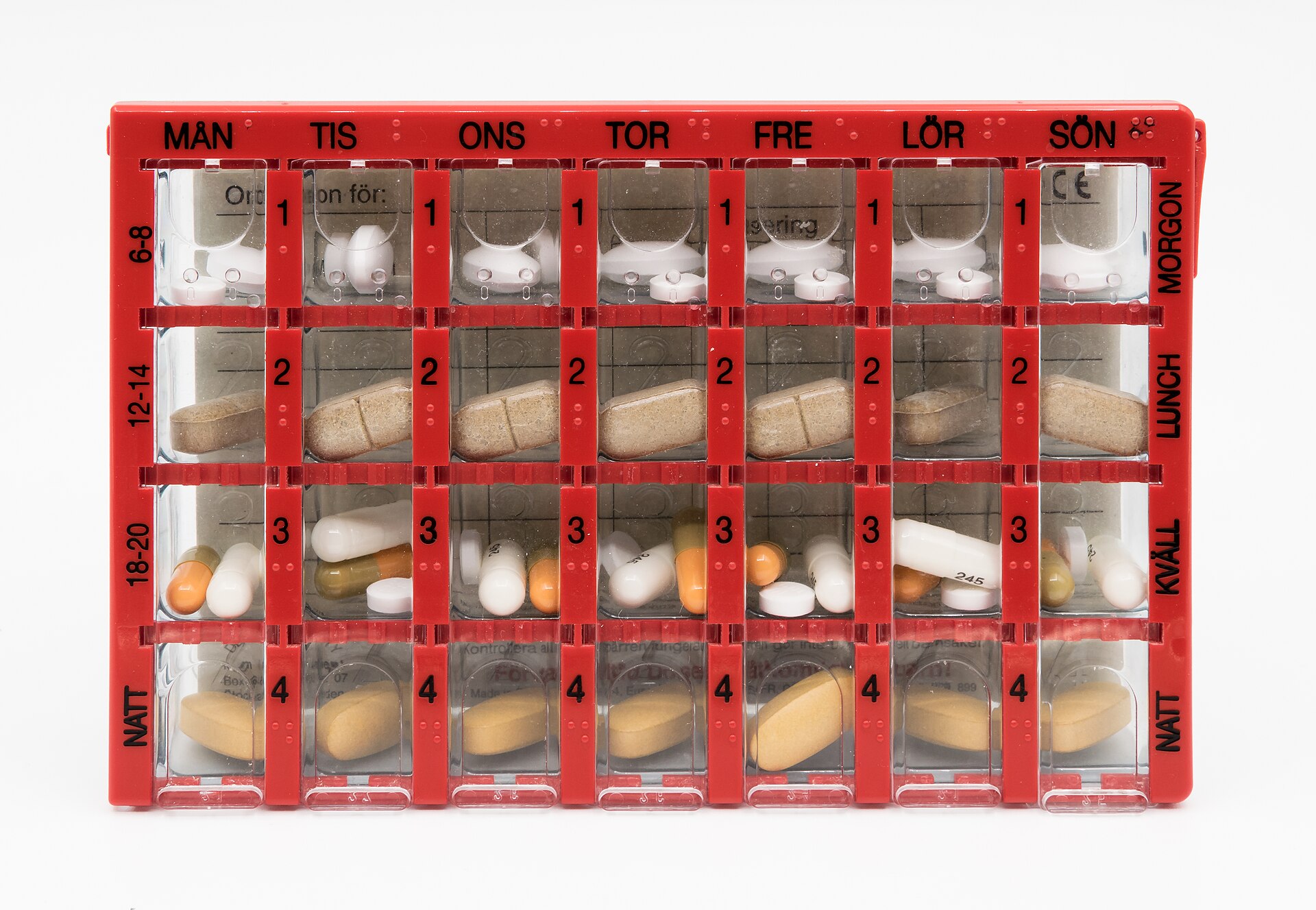
Adults aged 65 and older who live with dementia or other cognitive disorders face heightened risks from certain medications used to treat anxiety, sleep disturbances, and psychosis. These drugs can trigger emergency room visits, extend hospital stays, and increase the likelihood of premature death. However, new data indicates that the medical community is making progress in reducing these dangers.
Research from the University at Buffalo demonstrates that the proportion of older adults with cognitive disorders taking medications that could impair brain function dropped significantly between 2011 and 2022. After analyzing data from 2,796 older adults living independently, researchers found that exposure to potentially inappropriate medications fell from 39.3% in 2011 to 29.3% in 2022.
Declining Exposure to Harmful Drugs
The study, published in the Journal of the American Geriatrics Society, examined a sample representing approximately 29.7 million older Americans with cognitive disorders. The team compared individuals prescribed at least one potentially inappropriate medication with those who had not received any of these drugs. They identified problematic drugs by consulting the American Geriatrics Society’s Beers Criteria, a list of approximately 100 medications that may pose risks to older adults.

“This is a population with some mental issues that relate to the central nervous system. These drugs also act on the central nervous system, so they can be too much for older adults if inappropriately used,” said Haowen Hsu, PharmD, a postdoctoral fellow in the Department of Pharmacy Practice at the School of Pharmacy and Pharmaceutical Sciences. Hsu was the first author of the study.
Although the study did not pinpoint the exact cause of the decline, Hsu attributes the trend to growing awareness among researchers and clinicians over the past two decades. The gradual improvement likely reflects broader advances in geriatric medicine and concerted efforts to make prescription drug use safer for vulnerable populations.
The Push for Deprescribing
Older adults who have taken benzodiazepines like Xanax for anxiety or sleep aids like Ambien for years may benefit from a medically supervised reduction in dosage or gradual discontinuation. These medications can negatively affect cognitive function, balance, and coordination. The researchers emphasize that healthcare providers must work closely with community pharmacists and homecare nurses to optimize medication safety.

“A central word for patients in this age group is ‘deprescribing,’ which means, for example, removing inappropriate medications and decreasing the frequency or the dosage. In some cases, it means replacing the current medication with a milder alternative,” Hsu explained.
Despite the positive trend, nearly one-third of the target population is still exposed to these harmful medications. David Jacobs, PharmD, PhD, an associate professor of pharmacy practice and a principal investigator on Team Alice, noted that most of these patients have a regular source of care. This means the medications can be identified and addressed with their care team during routine outpatient appointments.
Systemic Safety Initiatives
The research is part of a broader effort by Team Alice, an interdisciplinary initiative at the University at Buffalo dedicated to medication safety. The group takes its name from Alice Brennan, who died in 2009 following a prescription for a muscle relaxant identified as potentially inappropriate under the Beers Criteria. Her daughter, Mary Brennan-Taylor, shared her mother’s experience with researchers to help bring about systemic changes.

Hsu began the new study shortly after joining the university’s pharmacy school and Team Alice, where he works in the UB Patient Safety Learning Laboratory. The findings underscore the value of thorough medication reviews during routine appointments. The researchers also suggest incorporating clinical assessment tools such as the Drug Burden Index into acute and outpatient care to help professionals assess the combined effects of medications that act on the central nervous system.
This issue is particularly pressing given global demographic shifts. A recent report from the U.S. Census Bureau indicates that adults aged 65 and older now outnumber children worldwide for the first time in human history. Managing multiple chronic conditions often requires taking more medications, some of which may have detrimental effects on the aging body and brain. Further research is needed to establish whether improving medication use can enhance quality of life and reduce hospital admissions among older adults experiencing cognitive difficulties.
Source: ScienceDaily
