


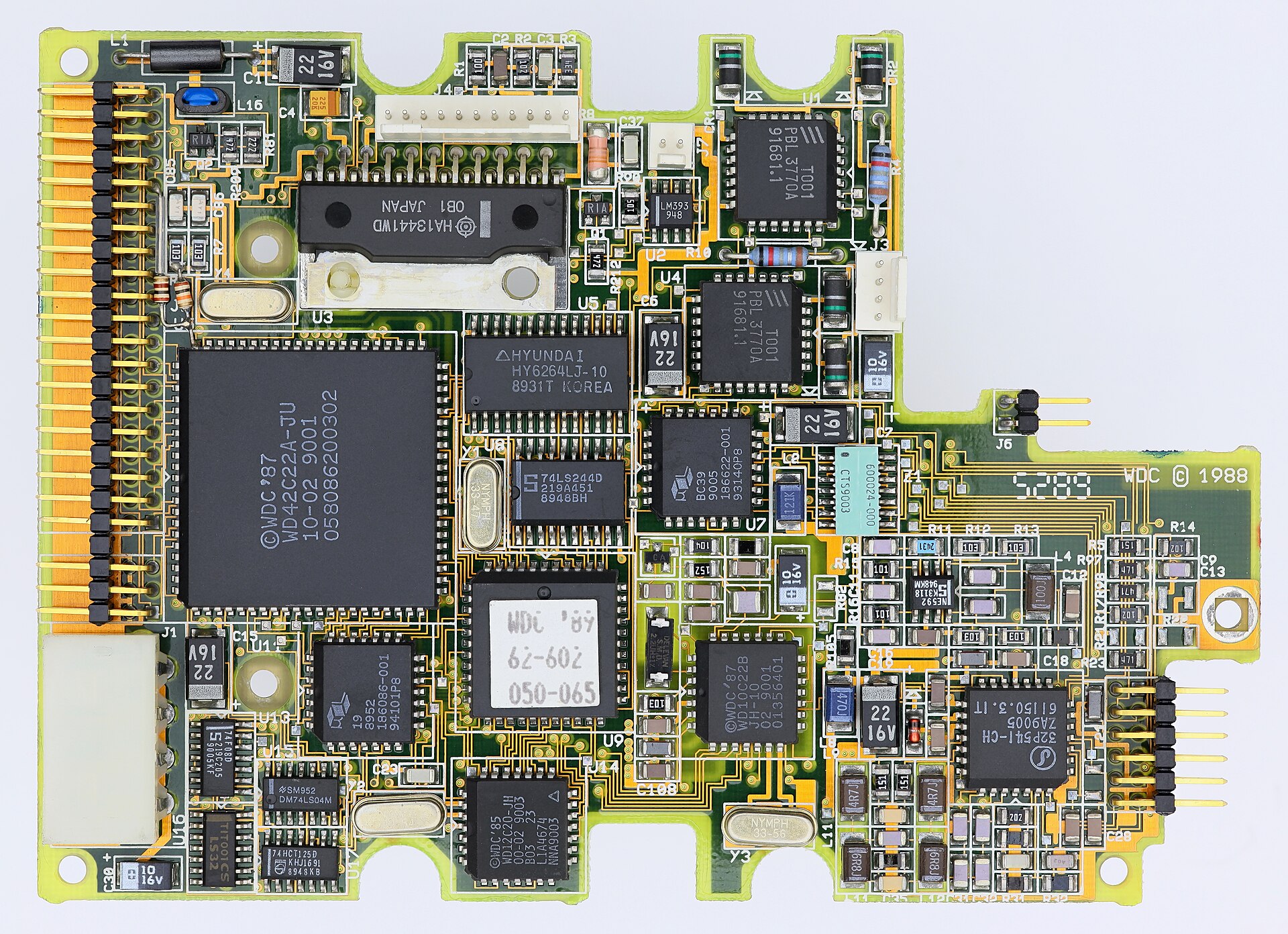
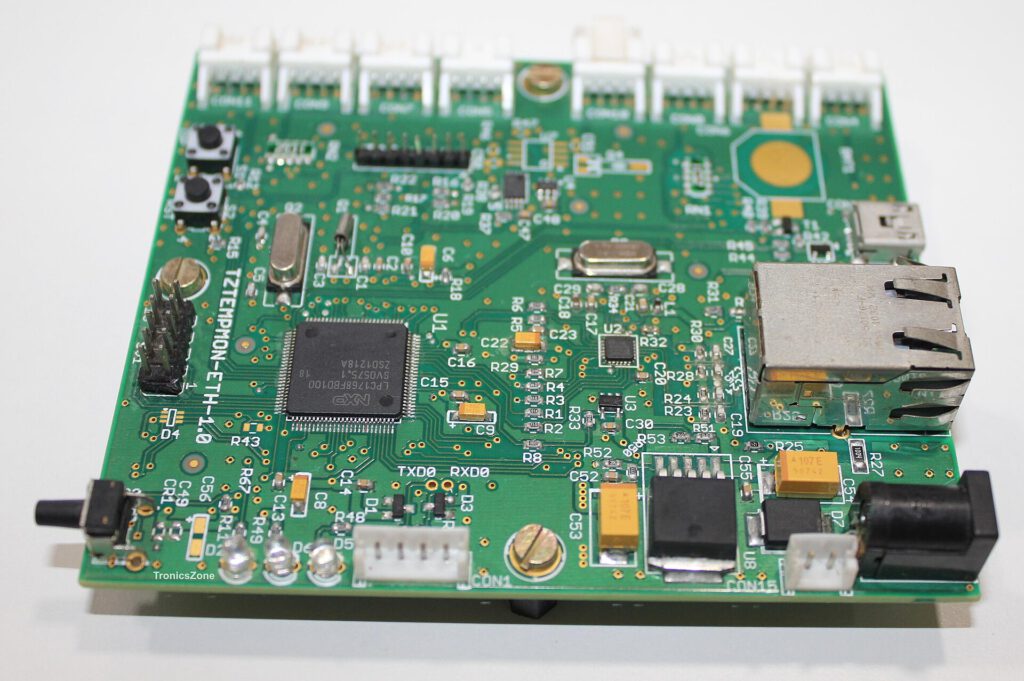
While global attention has largely focused on the race to develop domestic graphics processing units in China, a quieter but critical shift is occurring in the manufacturing of printed circuit boards. As U.S. export restrictions tighten around advanced chips, Chinese companies are moving to secure the supply chain for the physical boards that connect processors, memory, and networking equipment. More than 20 Chinese PCB manufacturers announced major expansion plans in the first half of 2026, signaling a strategic pivot toward the underlying hardware that supports artificial intelligence infrastructure.
Drill Bit Shortages and Layer Complexity
The complexity of AI server boards has increased dramatically, creating bottlenecks in even the most basic manufacturing tools. HSBC estimates that a standard notebook PCB contains four to eight layers, whereas boards for Nvidia’s H100 generation GPUs exceed 20 layers. Forecasts suggest that backplanes in upcoming Nvidia Rubin Ultra systems could contain up to 78 layers. This exponential growth in layer count requires a corresponding increase in drilling precision.
Analysts at HSBC project a 36% annual rise in the number of holes required per board between 2025 and 2028. The drilling process itself has become significantly more difficult. According to a report by Taiwanese brokerage KGI Securities, the aspect ratio of these holes has increased from 20:1 to between 30:1 and 40:1. This requires pushing extremely thin tungsten-carbide drill bits deeper into tougher materials without bending or breaking them.
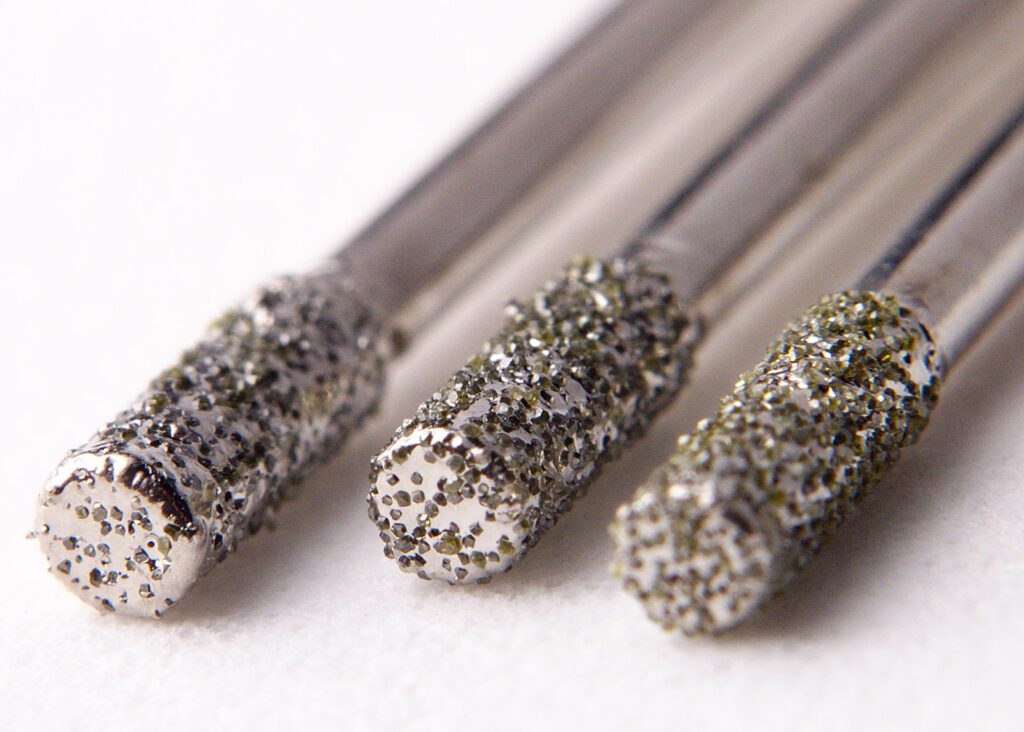
The wear rate on these tools has also accelerated. HSBC notes that a tiny drill bit used for AI server boards may need replacement after drilling fewer than 200 holes, compared to around 2,000 holes for older materials. This rapid consumption has driven global demand for PCB drill bits to grow by 55% annually over the next three years. The bank forecasts a 24% supply shortfall for these bits in 2027, even as manufacturers ramp up production.
Copper Foil and Material Upgrades
Beyond drilling, the materials used to construct these boards are undergoing significant changes. New grades of copper-clad laminate, which bond copper to glass-fiber and resin, are becoming harder to process. AI PCBs are denser and require thicker layers, necessitating more holes and more aggressive cutting tools. This shift is driving demand for hyper-very-low-profile copper foil, or HVLP, which minimizes high-speed signal loss in dense circuits.
China is aggressively targeting this segment. Defu Technology, historically a key supplier of copper foil for lithium-ion batteries, is shifting its manufacturing processes to capitalize on the AI boom. In September, the company shipped approximately 700 tonnes of HVLP foil, including over 180 tonnes of the higher-spec HVLP4 variant. JP Morgan analyst Avery Chan forecasts a monthly shortage of qualified HVLP4 supply of around 700 tonnes in 2026, rising to 1,200 tonnes in 2027. Defu plans to add 50,000 tonnes of annual high-end PCB foil capacity over 2027 and 2028 to address this gap.
Guangdong Dtech, the world’s largest PCB drill bit maker by volume, is also expanding its capabilities. The company reported mass production of drill bits with aspect ratios exceeding 40:1 and is developing techniques for bits exceeding 60:1. Its newer diamond-coated tools for tough M9+ board materials have entered small-scale use. Despite these advances, Japanese and Taiwanese manufacturers still dominate the premium end of the market, though Chinese firms are working to close that technological gap.
The push to dominate these supply chains is supported by government policy. In September, China’s Ministry of Industry and Information Technology and the National Development and Reform Commission published a five-year plan calling for advances in high-frequency, high-speed, and densely layered PCBs. The plan also emphasizes improvements in copper-clad laminates, low-profile copper foil, and specialist manufacturing equipment.
However, building capacity does not guarantee immediate success. Producing sophisticated PCBs requires years of experience and consistent scale. JP Morgan analyst Jerry Tsai warned that the learning curve for these technologies is measured in years rather than quarters. As the sector moves forward, the ability to maintain consistent quality in probe cards and server boards will determine which manufacturers can truly break into the global supply chain.
Source: Tom’s Hardware
