


A comprehensive analysis of data from more than 4.2 million people indicates that the context of physical activity significantly influences brain health. While regular recreational exercise is associated with a lower risk of dementia, engaging in high levels of physical labor at work appears to increase that risk, according to research published in The Lancet Public Health.
The study, led by researchers at the University of Southern California (USC), examined the relationship between different types of movement and the development of all-cause dementia, Alzheimer’s disease, and vascular dementia. The findings highlight a phenomenon known as the physical activity paradox, which has long been observed in cardiovascular research but was previously unconfirmed in the context of cognitive decline.
Recreational Exercise vs. Occupational Labor
Participants in the analysis were drawn from 74 cohort and case-control studies across 30 countries. The median follow-up period was 10 years, covering individuals aged 45 to 93. The data revealed a clear divergence in outcomes based on how people moved.
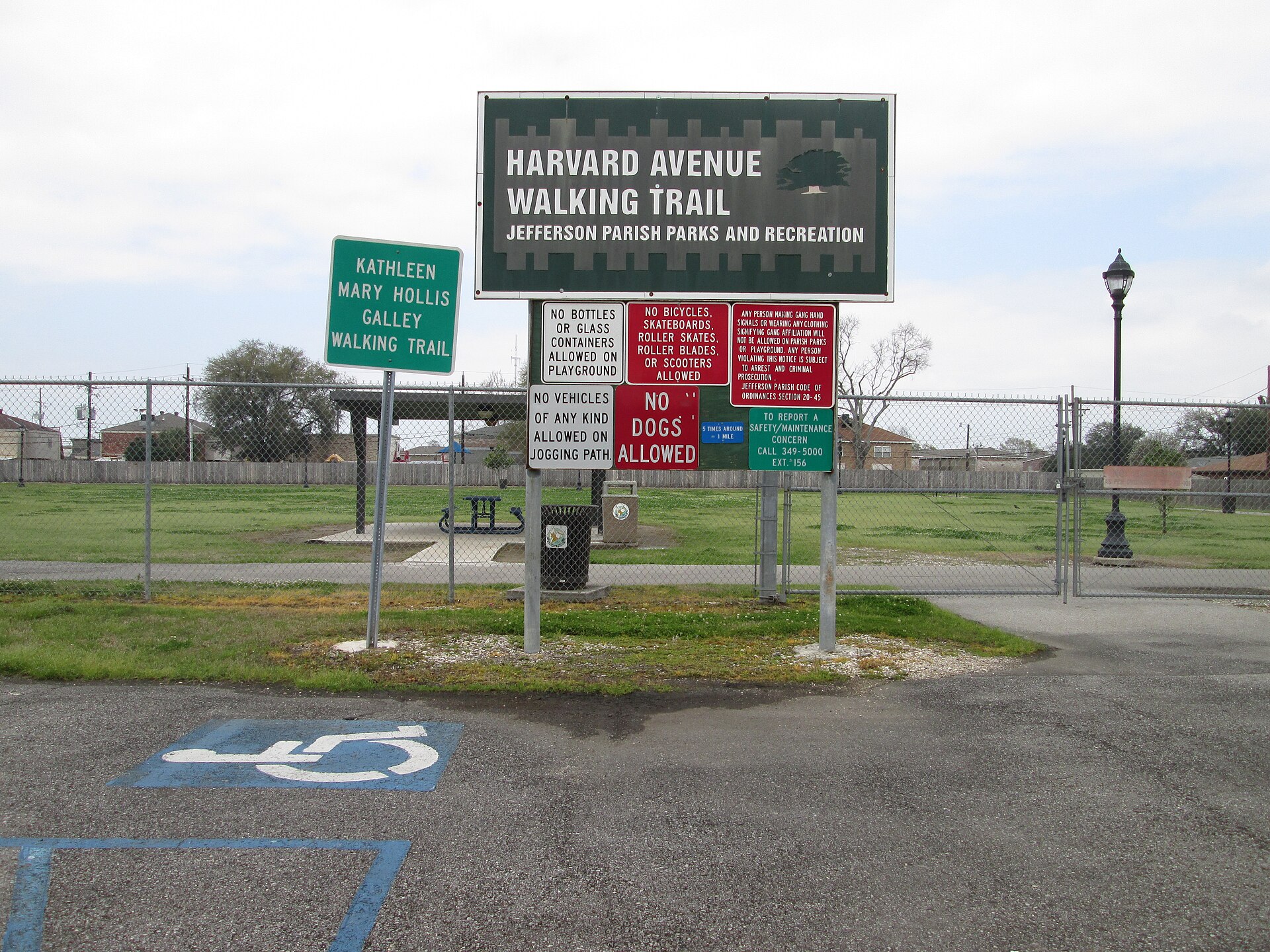
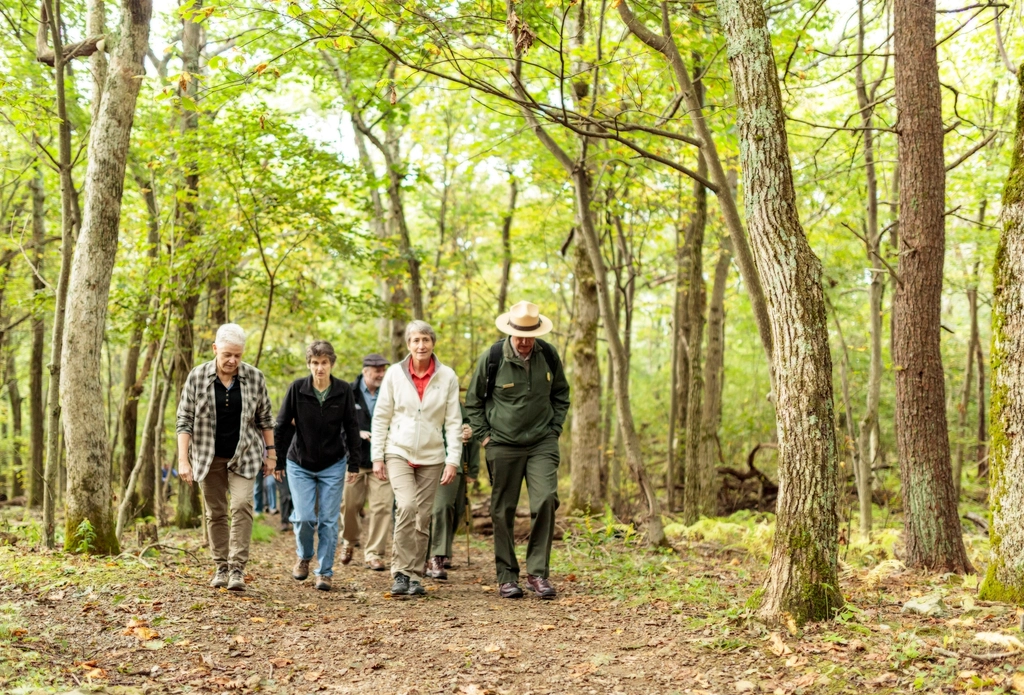
Those who engaged in higher levels of recreational physical activity, such as walking, cycling, running, swimming, or playing sports, experienced a 24% lower risk of dementia compared to the least active individuals. Physical activity related to household chores also showed potential benefits, although this conclusion was supported by only a single study within the larger dataset.
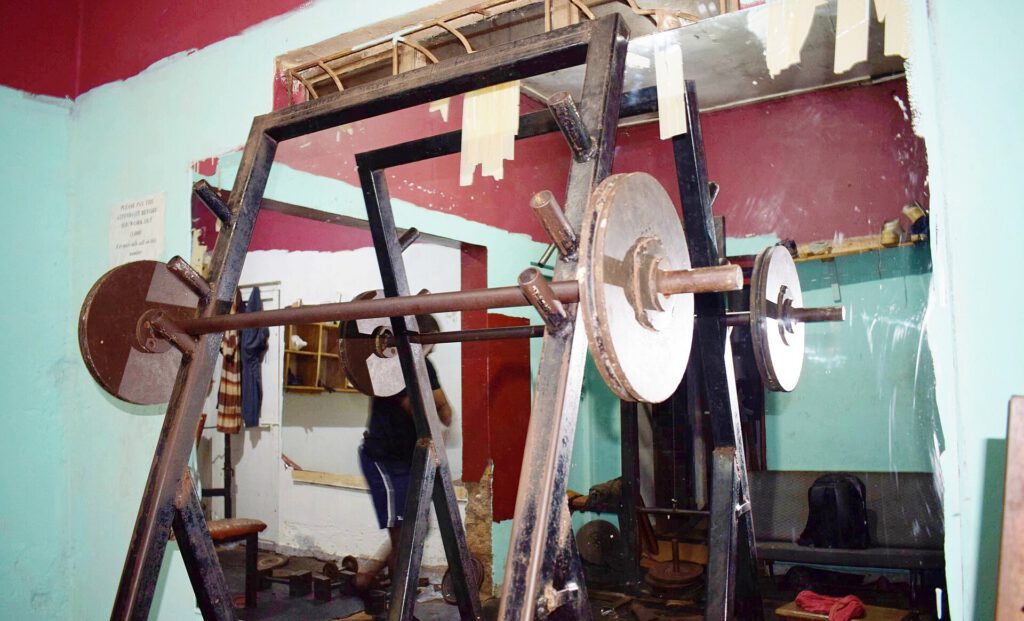
In contrast, individuals with higher levels of physical activity at work faced a 20% greater risk of developing dementia. Physically active commuting was also linked to a modest increase in risk, but the evidence for this specific connection was limited to just two studies.
Natan Feter, the study’s first author and a postdoctoral fellow at USC, stated that the findings challenge the long-held assumption that every move counts for brain health. The research suggests that the circumstances surrounding physical activity are just as critical as the amount of movement itself.
Environmental and Social Factors
Researchers do not believe that the physical movement itself causes the elevated dementia risk associated with occupational activity. Instead, they point to the social and environmental conditions often present in physically demanding jobs. These environments may expose workers to psychological stress, limited control over work tasks, unsafe conditions, and higher levels of air and noise pollution. Each of these factors has been independently linked to an increased risk of dementia.
Additionally, workers in physically demanding roles may struggle to engage in recreational exercise due to exhaustion, limited free time, or a lack of access to safe spaces for physical activity. The relationship between activity type and dementia risk was not linear. As recreational exercise increased, dementia risk gradually declined until benefits leveled off. Occupational physical activity showed the reverse pattern, with risk increasing at higher activity levels before plateauing.
The authors emphasize that the results are based on observational data and cannot establish causation. They stress that the findings should not discourage people from pursuing physically active occupations. However, the results underscore the need to examine the conditions under which people are physically active. Recreational exercise continued to be associated with a lower risk of dementia, while occupational activity remained linked to a higher risk even after accounting for differences in age, education, and chronic health conditions.
Improving access to safe parks, walking trails, and recreational facilities, ensuring people have adequate leisure time for exercise, and reducing harmful workplace exposures may ultimately prove as important as promoting physical activity itself, according to senior author David Raichlen.
Source: ScienceDaily
