


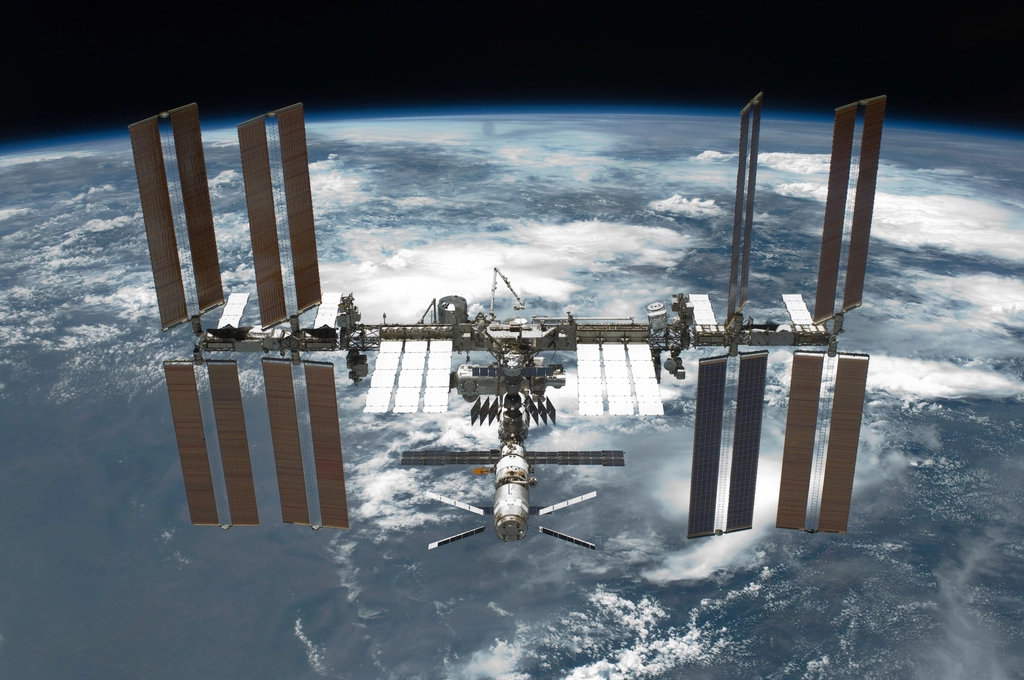
NASA is sending a new generation of biological and physical science experiments to the International Space Station aboard Northrop Grumman’s 25th Commercial Resupply Services mission. The flight carries critical hardware designed to test sustainable food production in microgravity and advance the understanding of human neurological health during extended spaceflight.
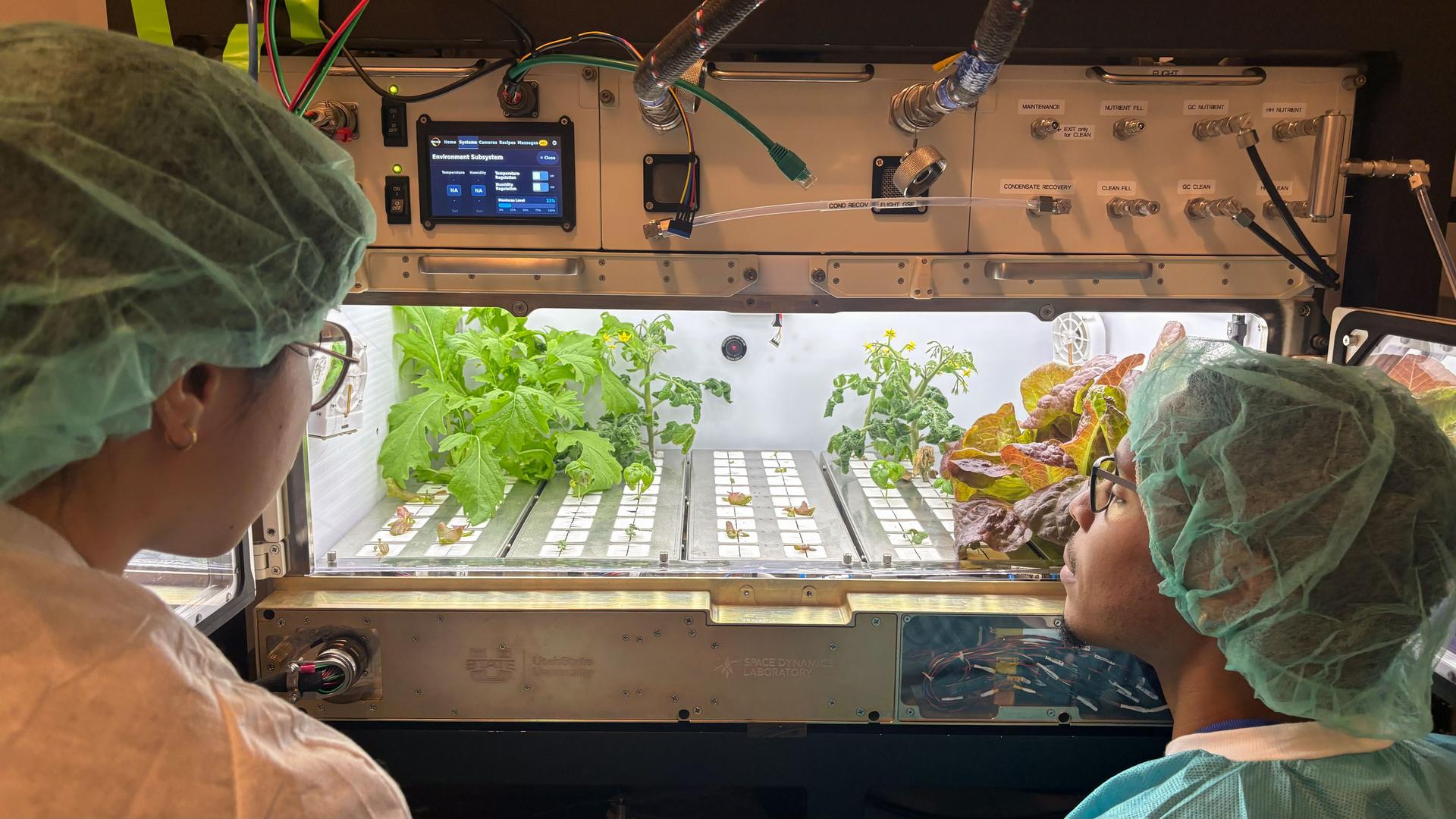
The mission addresses a fundamental challenge for deep space exploration: how to keep astronauts fed and healthy on journeys to the Moon and Mars. Current reliance on pre-packaged food limits mission duration and variety. To solve this, researchers are deploying a prototype space crop production system that will operate directly on the station.
Validating Microgravity Farming Technology
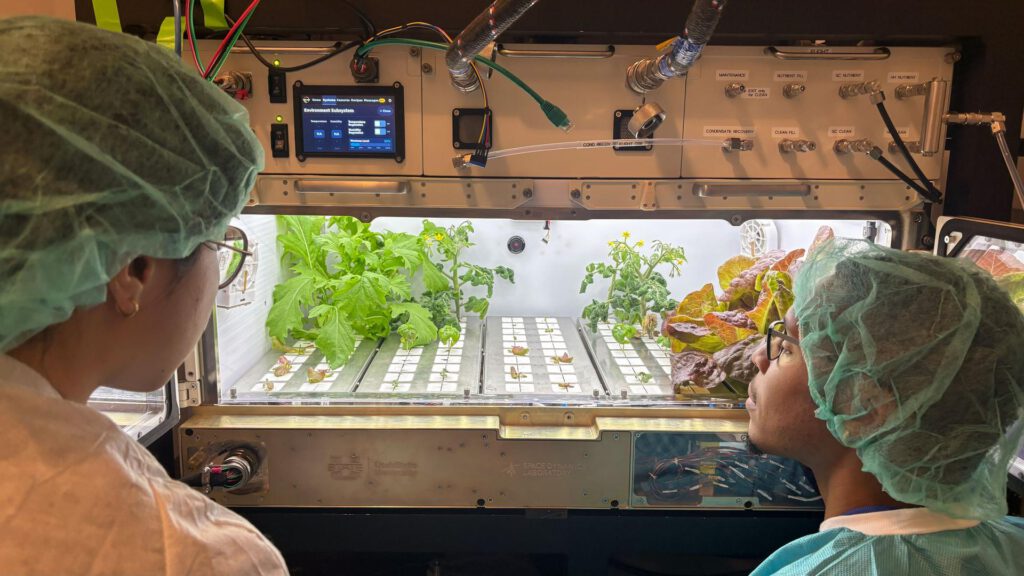
The space crops research initiative focuses on validating the water delivery and volume optimization technologies required for reliable plant growth in orbit. The new prototype growth chamber will serve as a testbed for systems that must function autonomously in the unique environment of space.
Success with this system could provide the foundation for safe, nutritious, and reliable crop production in future lunar base habitats and on Mars. The data gathered will help engineers design closed-loop life support systems that recycle water and nutrients efficiently.
Beyond space exploration, the findings from this investigation have direct applications for agriculture on Earth. The technology developed for microgravity farming could inform improvements in vertical farming and indoor growing systems, which are increasingly important for urban food security and resource conservation.
Advancing Precision Health and Brain Tissue Studies
In parallel with agricultural testing, the mission includes a precision health investigation aimed at understanding the effects of spaceflight on human brain tissues. This experiment builds upon previous research that utilized small, lab-grown models of the human brain, known as miBrains, on the space station.
The new phase of research validates a miniature fluid-handling system. This device is designed to mix, deliver, and maintain the nutrient-rich liquid necessary to keep delicate brain tissues alive and functioning during the mission. Maintaining tissue viability in orbit is a significant technical hurdle that this system aims to overcome.
Researchers hope the results will help identify potential neurological risks associated with long-duration spaceflight. Understanding these risks is essential for developing strategies to protect astronaut health during multi-year missions. The insights gained may also advance human tissue research and neurological disease modeling for medical applications on Earth.
NASA’s Biological and Physical Sciences Division continues to pioneer scientific discovery by utilizing the space environment to conduct investigations that are not possible in terrestrial laboratories. Studying biological and physical phenomena under extreme conditions allows scientists to advance fundamental knowledge required for humanity to go farther and stay longer in space.
The NG-25 mission represents a concrete step toward making long-duration space travel sustainable. By testing both food production and health monitoring technologies in orbit, NASA is gathering the practical data needed to support future crewed missions to the lunar surface and eventually Mars.
Source: NASA
