


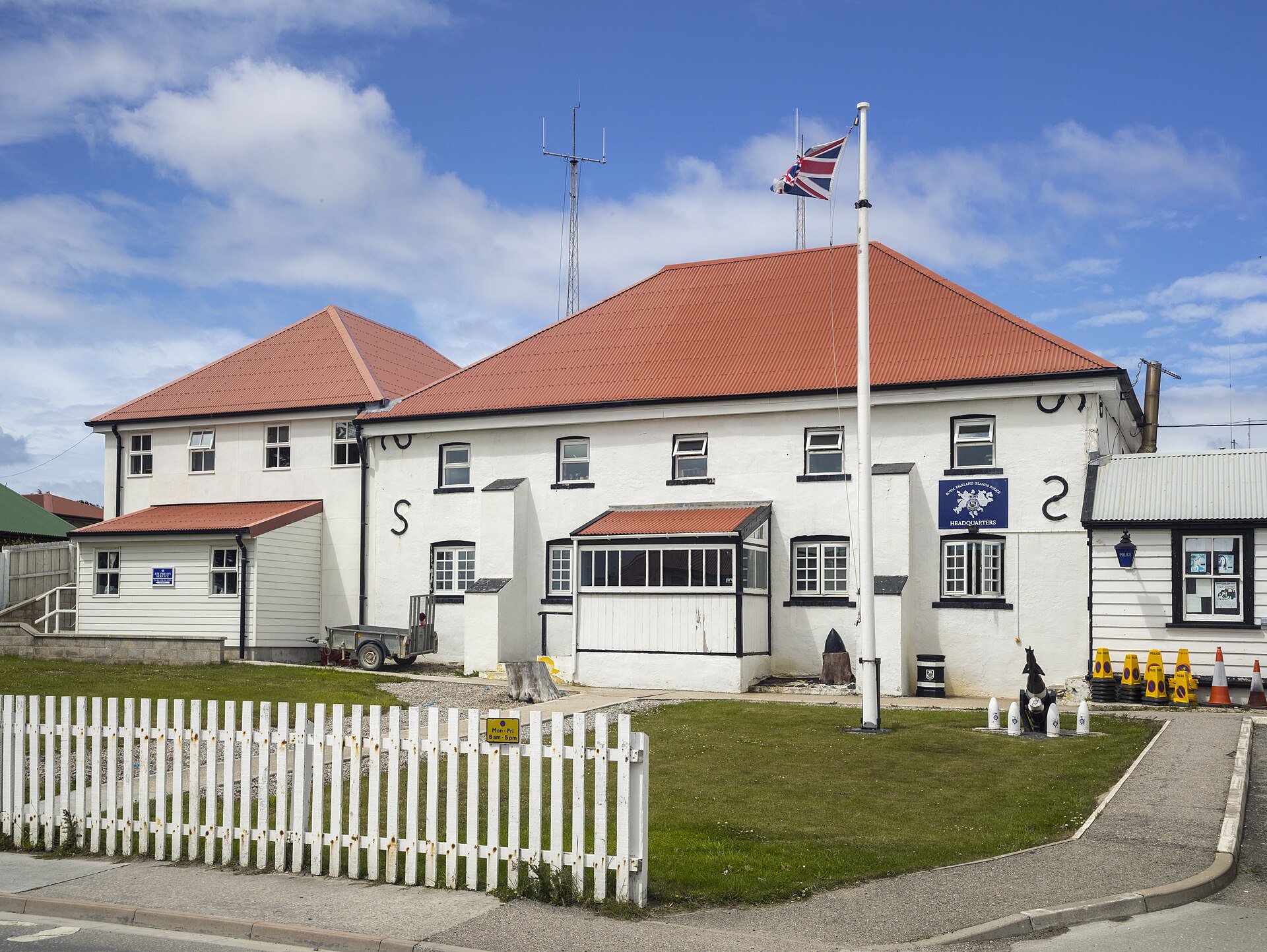
A United Nations-backed international tribunal has dismissed Argentina’s request to halt an oil exploration project near the Falkland Islands, clearing the way for energy development in the disputed territory. The ruling from the International Tribunal for the Law of the Sea determined that the body did not have the authority to intervene in matters of territorial sovereignty.
Argentina had argued that the Sea Lion venture should be paused because the status of the islands remains a subject of dispute between Buenos Aires and London. The South American nation claimed that international law protects marine environments in contested areas and that any extraction activities could alter the status quo.
The tribunal’s president stated on Saturday that the court was the wrong venue to adjudicate questions of sovereignty. The decision was finalized with an 18-3 vote in favor of rejecting the Argentine application. The UK government has consistently maintained that the islands are a British overseas territory and that the tribunal has no jurisdiction over the matter.
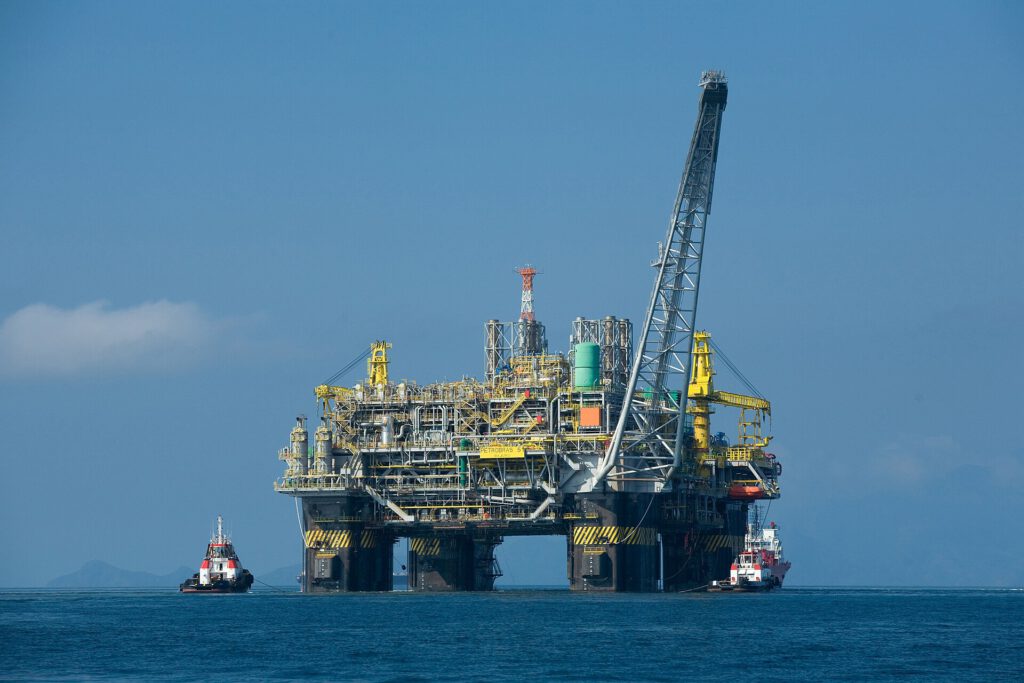
Sea Lion Oilfield Development
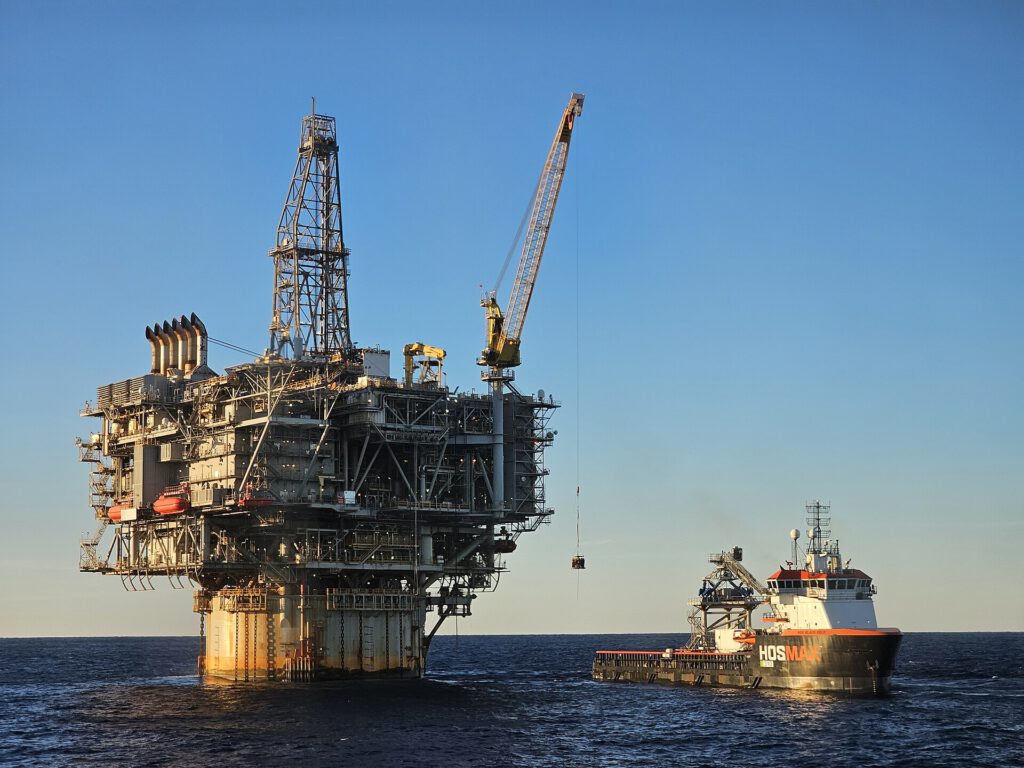
The contested project involves the Sea Lion oilfield, located approximately 130 miles from the Falkland Islands. Estimates suggest the field contains around 1.7 billion barrels of oil. Two energy companies, Rockhopper Exploration from Britain and Navitas Petroleum from Israel, are scheduled to begin extraction operations within the next two years.
British officials emphasized that stopping the project would have severe economic repercussions for the islands. The territory is home to roughly 3,500 residents who rely on revenues from the venture. UK Foreign Secretary Ed Miliband and Attorney General Ellie Reeves issued a joint statement urging Argentina to cease its broader economic pressure against the territory.
“Argentina sought to stop the Falkland Islanders making their own sovereign decisions and failed in this attempt,” the officials said. They added that Buenos Aires must respect the right of the islanders to determine their own future.
Diplomatic Tensions and Historical Context
The ruling marks the latest escalation in a long-standing diplomatic row between the UK and Argentina. The two nations fought a 74-day war over the islands in 1982, which resulted in the deaths of 255 British military personnel, three islanders, and 649 Argentine soldiers. Despite the conflict, Argentina has never formally relinquished its claim to the territory.
In a 2013 referendum, Falkland Islands residents voted overwhelmingly to remain a British overseas territory, with 99.8 percent supporting the status quo. The UK government continues to assert that the population has a right to self-determination, a position that directly contradicts Buenos Aires’ stance.
Argentina’s legal strategy relied on the argument that no actions should be taken that might change the territorial situation while the dispute remains unresolved. The UK countered that such a pause would cause significant harm to local businesses and the community. The tribunal’s decision ultimately rested on its own statutory powers, concluding that a maritime court is not the appropriate forum for resolving territorial claims.
Source: BBC
