


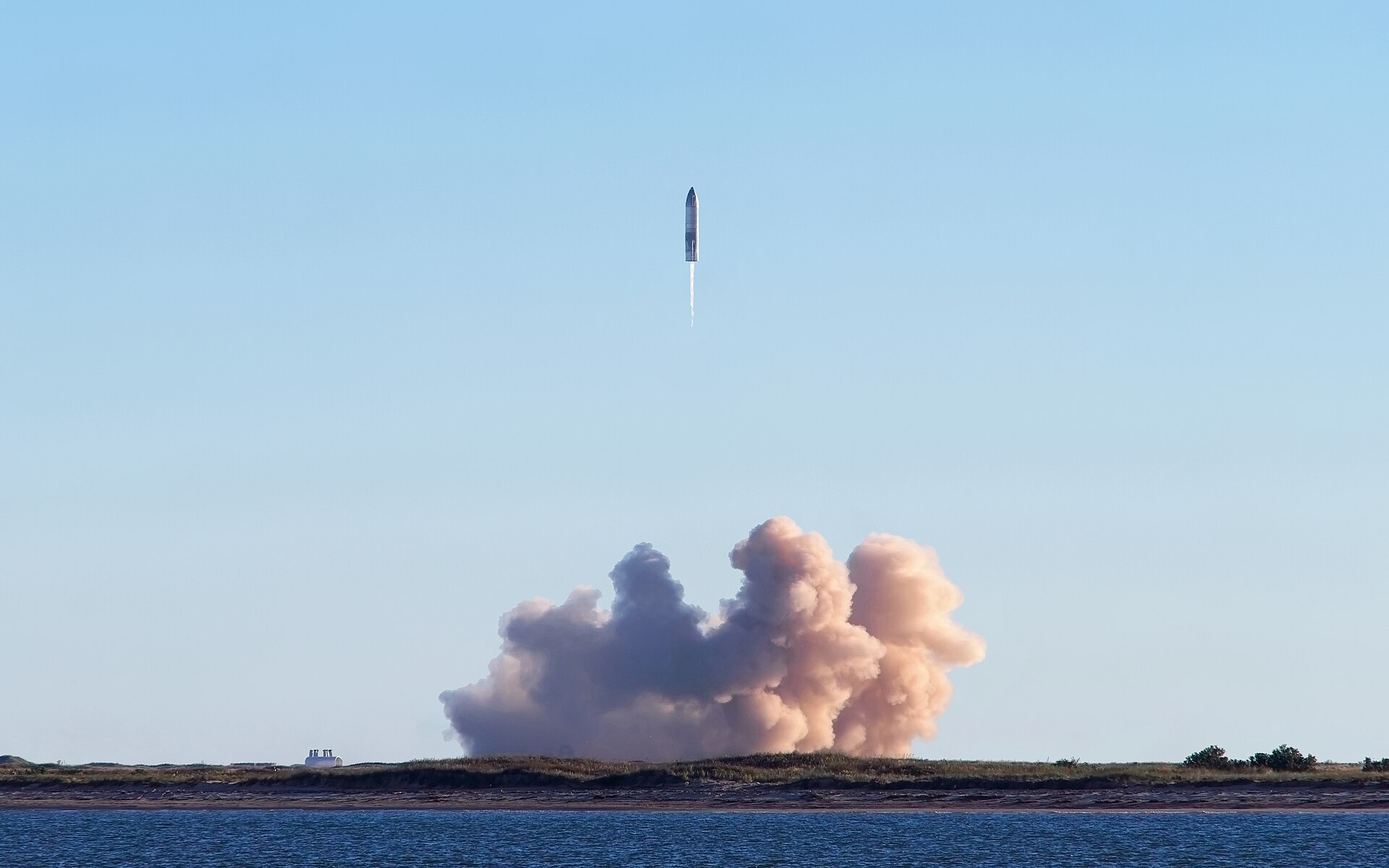
The Federal Communications Commission has granted SpaceX permission to deploy a constellation of one million satellites designed to function as orbital data centers. The approval allows the company to launch its first compute module by 2033 and complete the full network by 2040. This decision marks the first time the agency has authorized such a massive deployment of space-based computing hardware.
Starmind Constellation Timeline
SpaceX submitted its proposal for the project, internally known as Starmind, in February 2026. The plan aims to create a Kardashev Type II civilization infrastructure by harvesting energy directly from the sun. The first satellite, designated AI1, features a 120-kilowatt compute payload and spans wider than a Boeing 747 aircraft. SpaceX intends to use its Starship launch vehicle to deploy these units into low Earth orbit.
FCC Chairperson Brendan Carr stated that the approval reinforces American economic leadership in advanced technology. He described the move as a way to unite space capabilities with domestic innovation. The commission emphasized that this authorization supports the nation’s position in the development of super intelligence.
Objections and Space Safety Risks
The proposal faced significant opposition from Amazon, Viasat, and the American Astronomical Society. Amazon argued that SpaceX failed to provide sufficient details regarding the satellite design and deployment strategy. The American Astronomical Society raised concerns that the sheer number of satellites would interfere with ground-based astronomical observations and research.
Experts also highlighted the risk of Kessler Syndrome, a scenario where orbital debris collides with satellites, creating more debris and triggering a chain reaction. This could potentially trap humanity on Earth for decades by rendering low Earth orbit unusable. Despite these warnings, the FCC proceeded with the approval.
SpaceX has faced similar pushback for its ground-based data centers. The company has encountered local opposition to its campuses near the Mississippi and Tennessee border. Moving computing operations to space offers a potential solution to land-use conflicts and energy constraints on Earth.
Global Competition in Space Computing
Other entities are also racing to establish a presence in orbital data centers. Intel proposed a two-tier low Earth orbit data center satellite in August. China launched its Supercomputing-1 satellite in September. Google tested Project Suncatcher, which included four TPUs and 1,000 watts of solar power, in October. A startup called Starcloud plans to launch its second spacecraft in 2027, aiming to mine Bitcoin in space.
The approval of SpaceX’s Starmind plan sets a precedent for future space-based infrastructure. The company must now navigate the regulatory and technical challenges of launching and maintaining one million satellites. The success of this project will determine the viability of large-scale computing operations beyond Earth’s atmosphere.
Source: Tom’s Hardware
