


A study from the University of Southern California has identified two lesser-known “forever chemicals” that are associated with a substantially higher risk of developing liver cancer. The research, published in Environmental Health Perspectives, highlights that individuals with an inherited susceptibility to fatty liver disease are particularly vulnerable to the harmful effects of these substances.
Per- and polyfluoroalkyl substances (PFAS) are a group of man-made chemicals found in hundreds of products, including nonstick cookware, food packaging, and firefighting foam. These compounds resist degradation, allowing them to accumulate in the environment and remain in the human body for years. An estimated 99% of the global population has measurable concentrations of these chemicals in their blood, and contamination has been detected in drinking water across roughly half of U.S. water systems.
Specific Chemicals and Genetic Factors
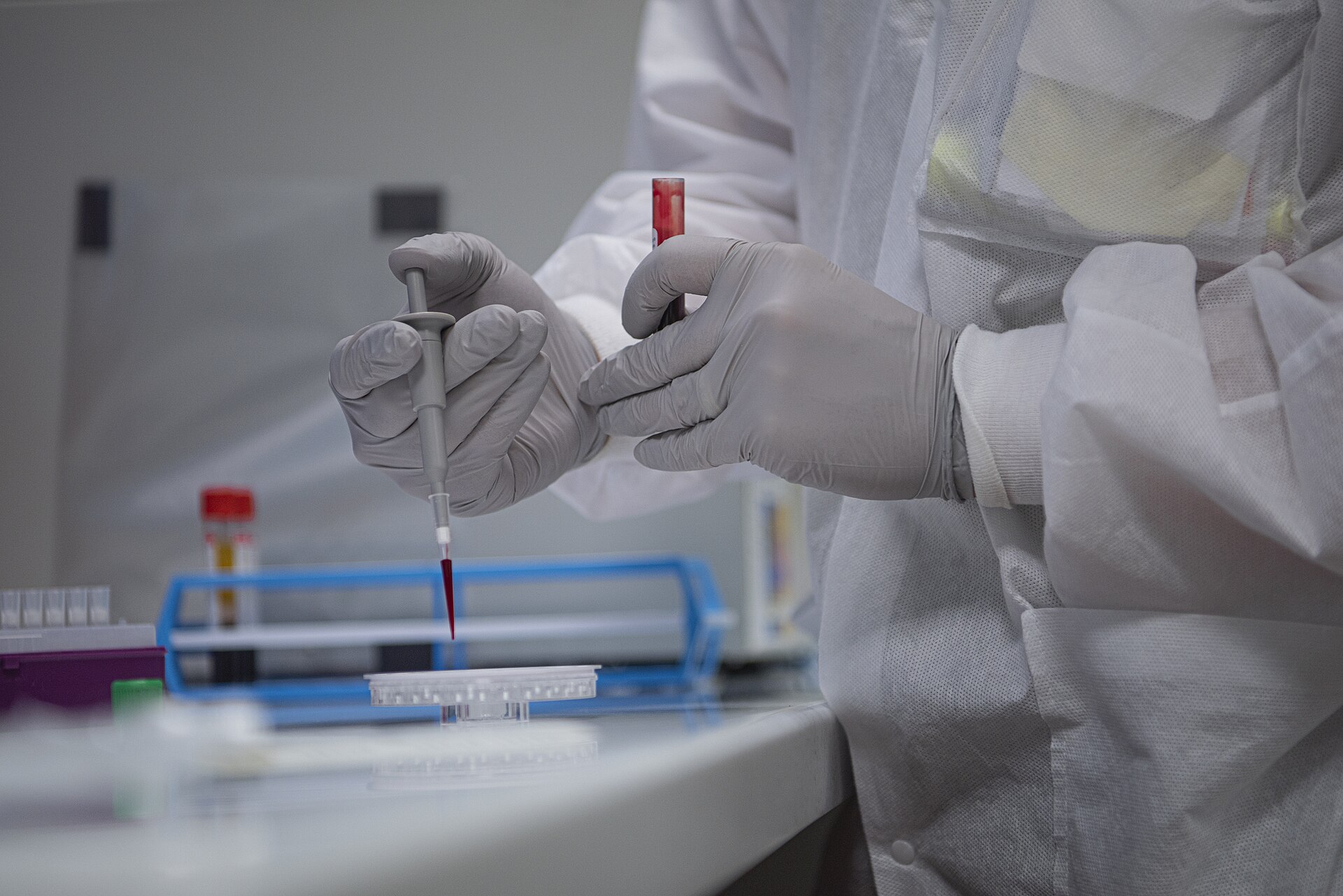
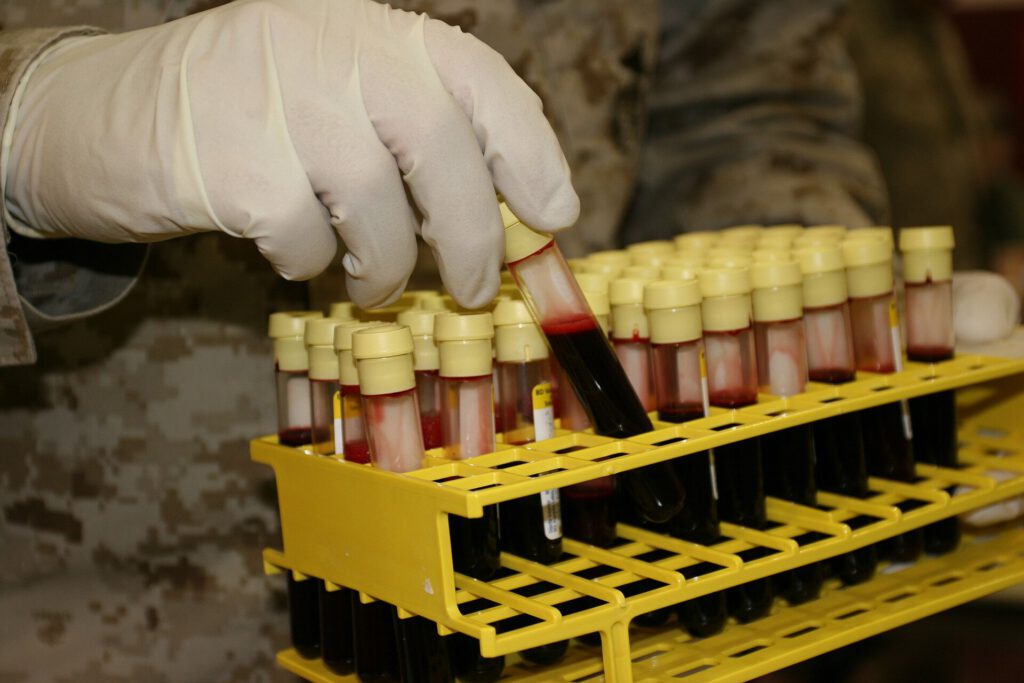
The research team examined blood samples from 223 participants in the Multiethnic Cohort Study who subsequently developed hepatocellular carcinoma (HCC), the most common type of liver cancer. They compared these samples with those from 223 matched controls. The samples from those who developed cancer had been collected an average of 7.8 years before their diagnosis.
Scientists measured concentrations of 12 different PFAS compounds and identified two with statistically significant associations with liver cancer: PFHpA and PFNA. PFHpA was introduced as a substitute for older PFAS compounds like PFOA and PFOS, which were phased out due to concerns about their persistence in the human body.
People whose exposure to PFHpA or PFNA ranked among the highest 25% had between two and two-and-a-half times the odds of developing liver cancer compared with those in the lowest exposure group. The study also calculated a polygenic risk score to estimate inherited susceptibility to metabolic dysfunction-associated steatotic liver disease (MASLD). The association between PFHpA exposure and liver cancer was considerably stronger among individuals with a high genetic predisposition to fatty liver disease.

Implications for Prevention and Screening
Lead author Jesse Goodrich, PhD, assistant professor in the Division of Environmental Health at the Keck School of Medicine of USC, noted that the strongest associations were found in newer PFAS rather than the most studied legacy compounds. “The concerning thing about our results is that the strongest associations were not in the most studied legacy PFAS,” Goodrich said. “They are among the newer PFAS, and we don’t have much information about their effect on human health.”
The findings suggest that inherited difficulties in processing liver fats and exposure to certain environmental chemicals may reinforce one another. This interaction potentially increases the chances of developing liver cancer when both factors are present. Detecting liver cancer at an earlier stage is associated with substantially better survival, as the five-year survival rate for HCC is currently below 20%.
Senior author Vaia Lida Chatzi, MD, PhD, emphasized the need to look beyond legacy compounds. “Our findings show why we need to look beyond those legacy compounds. We can miss important associations with liver health if we study only the chemicals we already know best.”
The researchers suggest that assessing both PFAS exposure and genetic susceptibility could help medical professionals identify individuals who might benefit from earlier cancer screening. Goodrich added that the study provides actionable information, noting that lifestyle changes, diet adjustments, and specific water filters can reduce exposure. The USC Norris Comprehensive Cancer Center program investigating this issue received $3.4 million in funding from the National Cancer Institute and the National Institute of Environmental Health Sciences.
Source: ScienceDaily
