


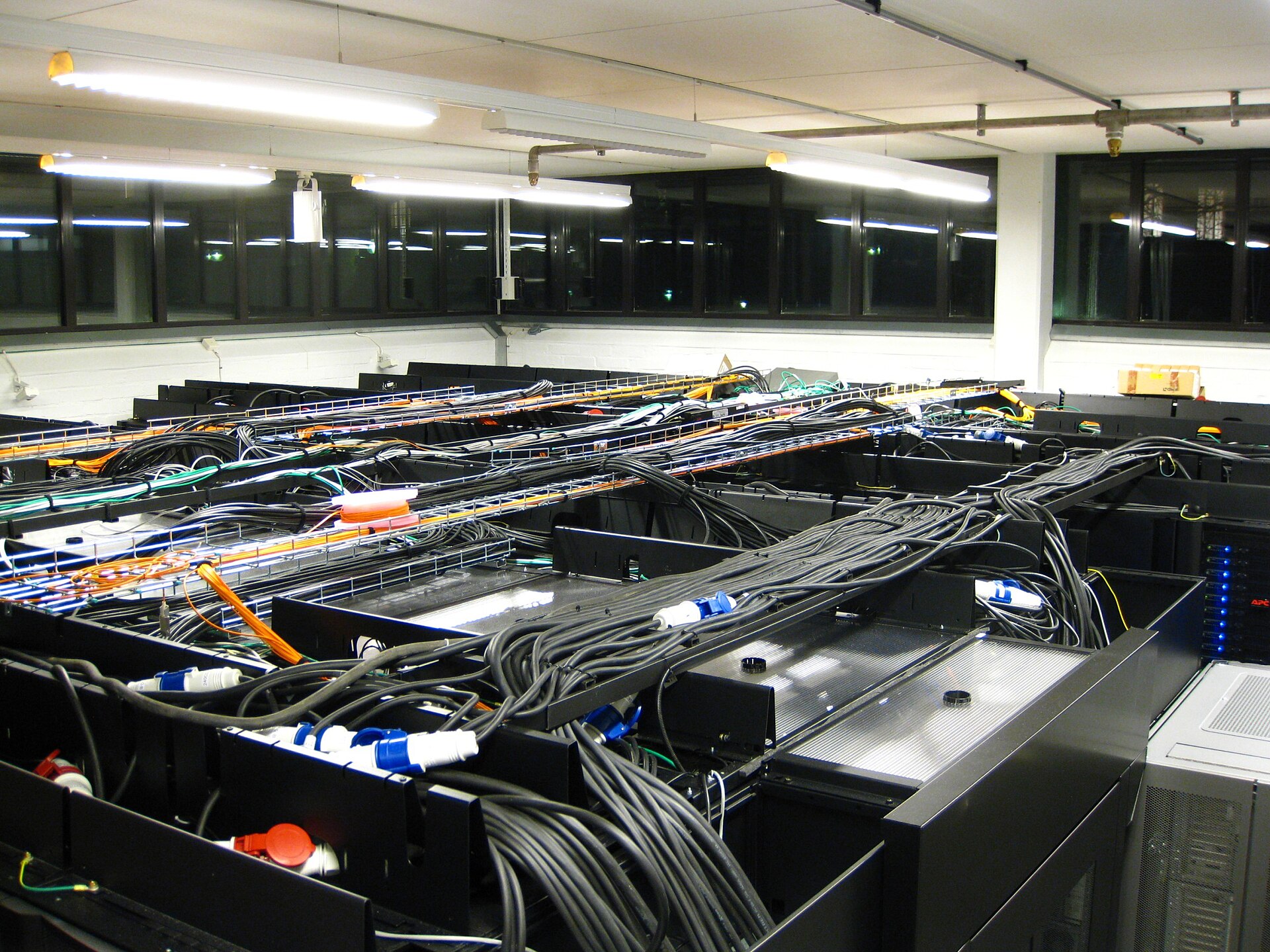
A data center in Shanghai, China, is reportedly operating high-end Nvidia Blackwell AI chips despite strict U.S. export controls that prohibit their sale to the country without special licenses. Bloomberg reports that two Chinese firms installed the restricted hardware, including a GB300 NVL72 rack, which stands as one of Nvidia’s most powerful products. The discovery highlights a significant breach of trade restrictions and raises questions about how advanced semiconductor technology is reaching restricted markets.
Loan Collateral Reveals Restricted Hardware
The presence of the Blackwell chips was uncovered through financial documents related to a 96 million yuan ($14 million) loan from Shanghai Innovation Bank. The Nvidia hardware was listed as collateral for this financing. Specifically, the documents identified a GB300 NVL72 rack installed at the facility. A second company, Shanghai Kezhan, also installed a GB200 server using Blackwell silicon at the same location.
These installations were linked to a separate 90 million yuan loan taken out in late 2025 by a finance-leasing firm owned by a local Shanghai government agency. The use of banned technology as loan collateral suggests that the assets were treated as valuable property by local financial institutions, despite their illegal status under U.S. law.
Links to Megaspeed and Alice Huang
The data center, known as the Yangtze River Delta Project, is closely tied to Megaspeed, a company that has faced intense scrutiny for its role in the global semiconductor trade. Megaspeed was previously a customer of Nvidia but is now under a criminal investigation for allegedly helping move approximately $2 billion worth of Nvidia chips into China illegally in 2025. The facility was described as Megaspeed’s largest data center in 2024, though the company had previously referred to it only as being in a “specific area” in an unspecified country.
Further complicating the situation is the involvement of Alice Huang, a former Megaspeed employee. U.S. intelligence officials have alleged that Huang is a Chinese spy and that her husband is heavily involved with China’s Ministry of State Security. Huang was also previously in a relationship with Nvidia CEO Jensen Huang, who admitted to the affair and resigned from the company earlier this month before returning to his role following pressure from U.S. officials. While it remains unconfirmed that Huang or Megaspeed directly facilitated the import of these specific Blackwell racks, the coincidence of their names appearing in connection with the facility is notable.
Megaspeed has since been placed on a U.S. trade blacklist. The U.S. government continues to allow Nvidia and other manufacturers to sell lower-performance chips to the company, but the presence of Blackwell-grade hardware indicates a potential violation of these tiered restrictions. The incident underscores the ongoing challenges in enforcing export controls as demand for artificial intelligence computing power drives companies to seek workarounds.
Source: Tom’s Hardware
