



BMW has officially confirmed it will not adopt Apple’s CarPlay Ultra platform, reiterating its stance that the automaker prefers to maintain full control over its digital ecosystem. The decision centers on data security and the company’s philosophy regarding user information.
BMW Digital Technology Strategy
Claudia Maier, BMW’s manager of digital technology, provided further details on the company’s position in an interview with Australian outlet Carsales. She stated that keeping data in-house is a core part of their philosophy. Maier emphasized that this approach ensures the information remains very secure.
“It’s part of the philosophy. We want to keep the data [in-house], because we want to have it very secure,” Maier said. She did not elaborate on whether BMW had actually tested the CarPlay Ultra system on any of its vehicles prior to making this decision.
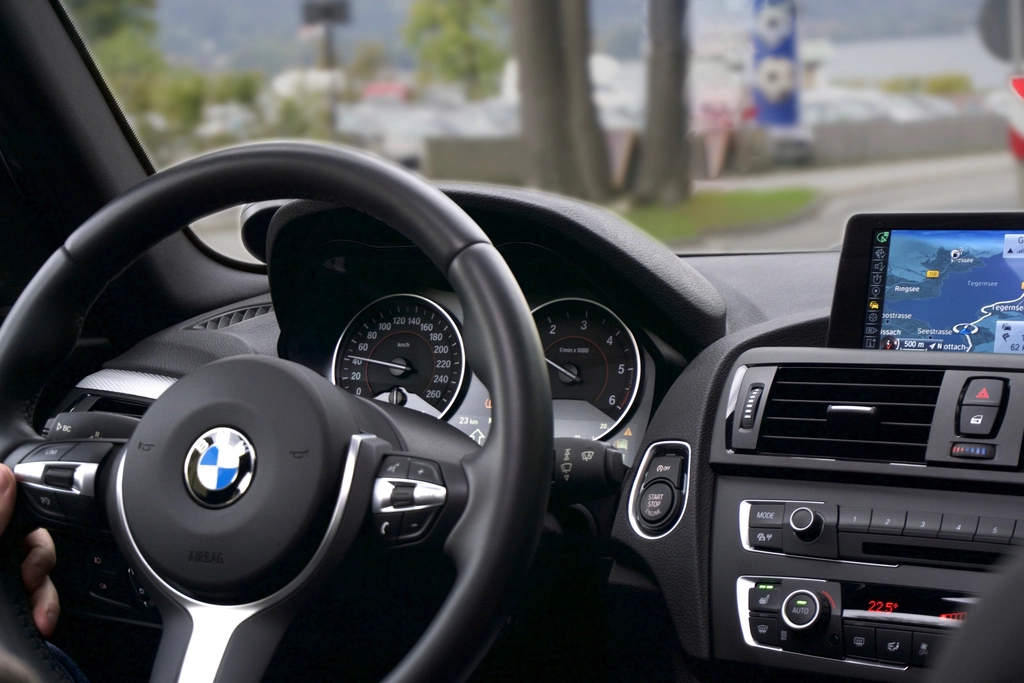
This statement reinforces comments made last year by Stephan Durach, BMW’s Senior Vice President of UI/UX Development. During a press event in September 2025, Durach described CarPlay Ultra as “not so exciting.” He argued that BMW’s specific screen setup and internal capabilities are much more capable than the third-party platform.
Infotainment and Data Control
While BMW is rejecting the ultra version of the integration, the automaker is not abandoning standard connectivity entirely. Maier confirmed that BMW has no plans to drop support for basic CarPlay and Android Auto. This stands in contrast to General Motors, which has moved away from these platforms in some of its newer vehicles.
“We don’t want to say, ‘You have to stick to our system,’” Maier explained. This indicates that BMW intends to offer drivers the choice between its native interface and familiar smartphone integration tools, even as it resists the deeper integration offered by CarPlay Ultra.
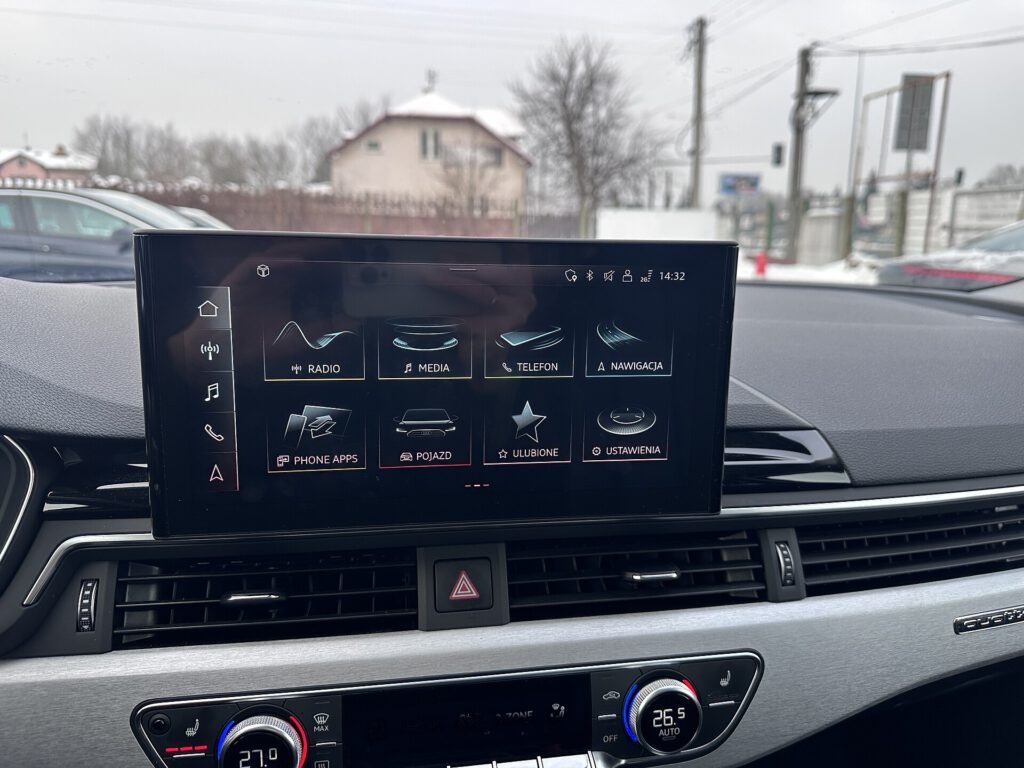
Apple has not publicly listed BMW as a partner for CarPlay Ultra. The platform is currently exclusive to Aston Martin vehicles. Reports from Bloomberg in February suggested that CarPlay Ultra might come to at least one major new Hyundai or Kia model in the second half of the year, but it remains unclear if that timeline is still active.
The automaker’s refusal to join the ultra platform highlights a growing divide in how car manufacturers view data ownership. By keeping data internal, BMW aims to maintain a direct relationship with the user and control the security of that information, rather than relying on Apple’s infrastructure for these specific features.
Source: 9to5Mac
