


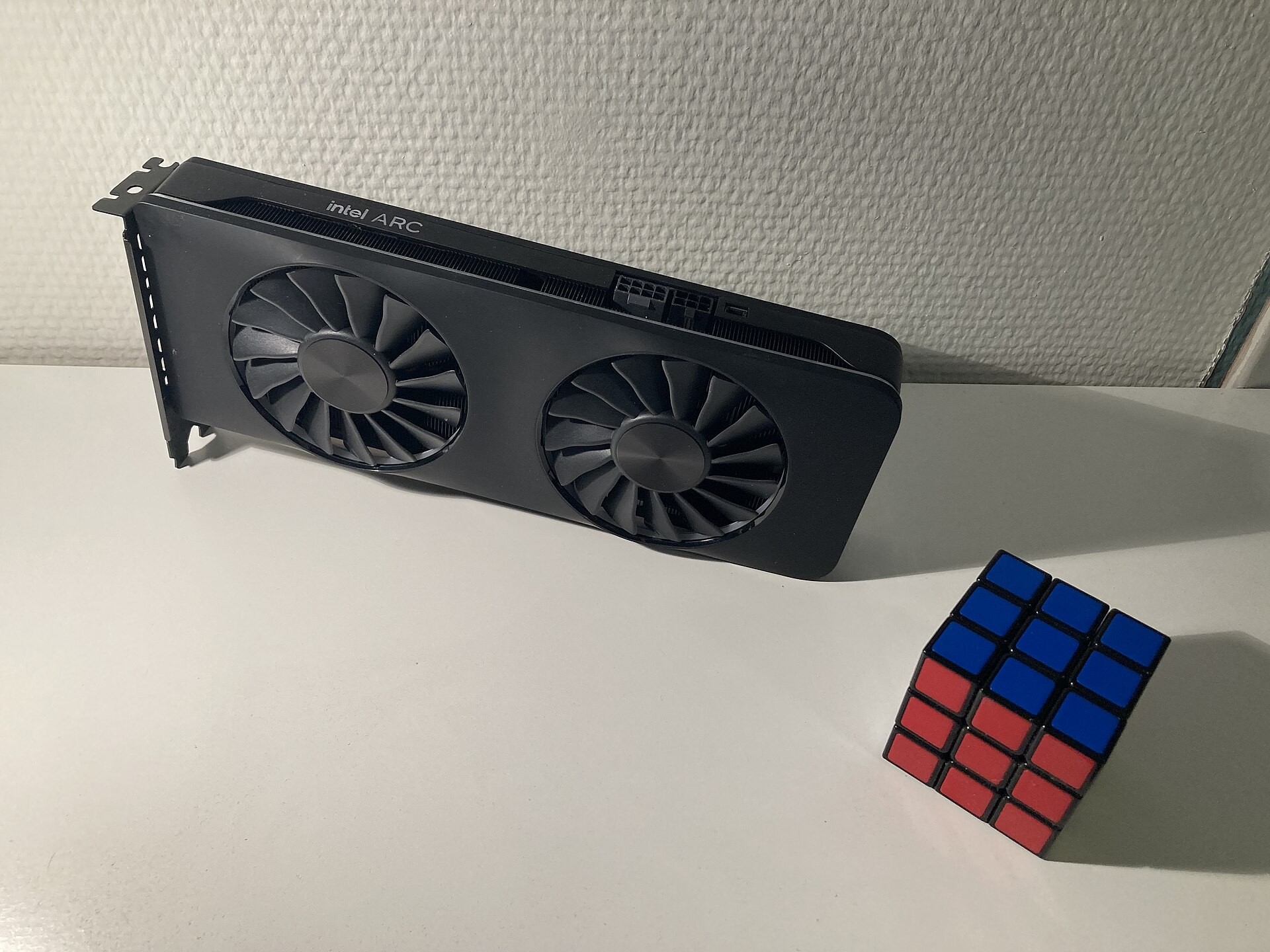
Shopping for a new graphics card often triggers anxiety for PC builders. The market is crowded with options from AMD and NVIDIA, but Intel has been a persistent competitor since entering the space in 2022. Four years later, the question of whether Intel Arc GPUs are still a viable purchase has a clearer answer than in the past.
Intel named its GPU generations after video game classes, starting with Alchemist in 2022 and moving to Battlemage in 2024. While the initial launch faced criticism for driver issues and system instability, the company has worked diligently to resolve most of those early problems. The cards are now positioned primarily for budget builds targeting 1080p to 1440p gaming setups.
Battlemage Performance and Pricing
Availability for Intel Arc cards remains strong at major retailers like Amazon and Newegg. The pricing structure highlights their value proposition. The entry-level A380 with 6GB of VRAM starts around $170. The mid-range B580, which features 12GB of VRAM, is priced at $329. These prices often undercut comparable offerings from AMD and NVIDIA, making them attractive for cost-conscious buyers.
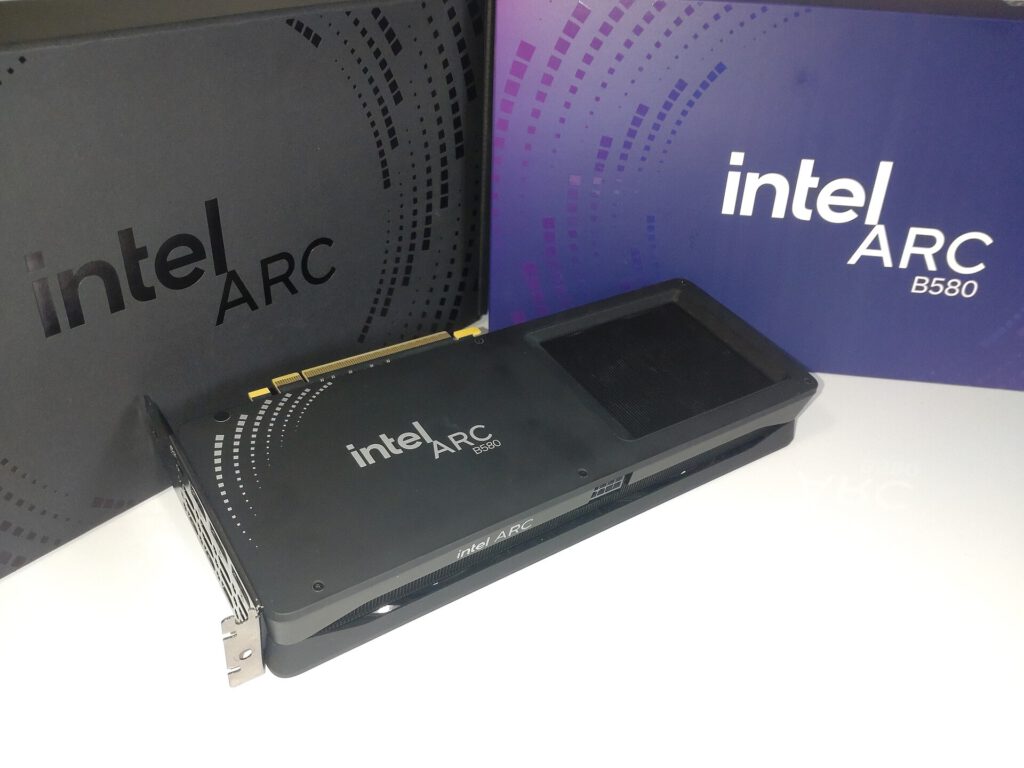
Intel has also improved its upscaling technology, XeSS. This feature lowers the internal resolution of a game to rebuild pixels at a higher frame rate. In some tests, XeSS has outperformed similar solutions from competitors like DLSS and FSR. This technology helps maintain smooth gameplay even in demanding titles.
Real-World Gaming Results
Performance testing provides concrete evidence of the Arc lineup’s capabilities. The B570 model, in particular, has shown strong results in recent benchmarks. When paired with an Intel Core i3-12100f processor and 16GB of RAM, the B570 maintained frame rates near 100 fps at 1080p with medium to high settings.
This performance held up across a variety of modern games. Titles such as Death Stranding and its sequel On the Beach, Star Wars Outlaws, Dead Island 2, Resident Evil Requiem, 007 First Light, and Planet Zoo 2 all ran smoothly. The B570 handled the more demanding open-world sections of games like Dead Island 2 and Death Stranding without significant drops in performance.
It is important to note that these cards are not designed for 4K gaming at 120 fps. They do not compete with high-end options like the AMD 9070 or the RTX 5090. However, they are not attempting to do so. For gamers who prioritize 1080p play with rock-solid frame rates, the Arc cards provide a compelling alternative.
Intel’s entry into the GPU market initially felt like it was punching above its weight. The company has proven that it can deliver competitive products outside of its core CPU business. The Arc lineup now offers a solid value proposition in a market where PC components have become increasingly expensive.
Source: Engadget
