



Fifteen years after its October 18, 2011 release, Rocksteady’s Batman: Arkham City remains widely regarded as the pinnacle of superhero video games. The title established a design framework that defined the genre for over a decade, creating a benchmark that subsequent entries have yet to surpass. It stands as the last universally acclaimed Batman game, maintaining a level of critical and commercial success that later projects have failed to replicate.
A New Playground for the Dark Knight
Before Arkham Asylum launched in 2009, superhero games were largely viewed as uninspired movie tie-ins. While a few titles like X-Men Origins: Wolverine managed to be good, most were forgettable or poor. Arkham Asylum changed this perception by introducing an original narrative crafted by renowned Batman writer Paul Dini, known for Batman: The Animated Series. The game’s success paved the way for its 2011 sequel, which expanded the scope significantly.
Arkham City moved the action from the confined corridors of a psychiatric hospital to a sprawling, walled-off section of Gotham City. This open-world approach allowed for random enemy encounters, one-off boss battles, and extensive exploration filled with collectibles, including numerous Riddler trophies. Rocksteady essentially created a playbook for the genre, one that competitors would later adopt.
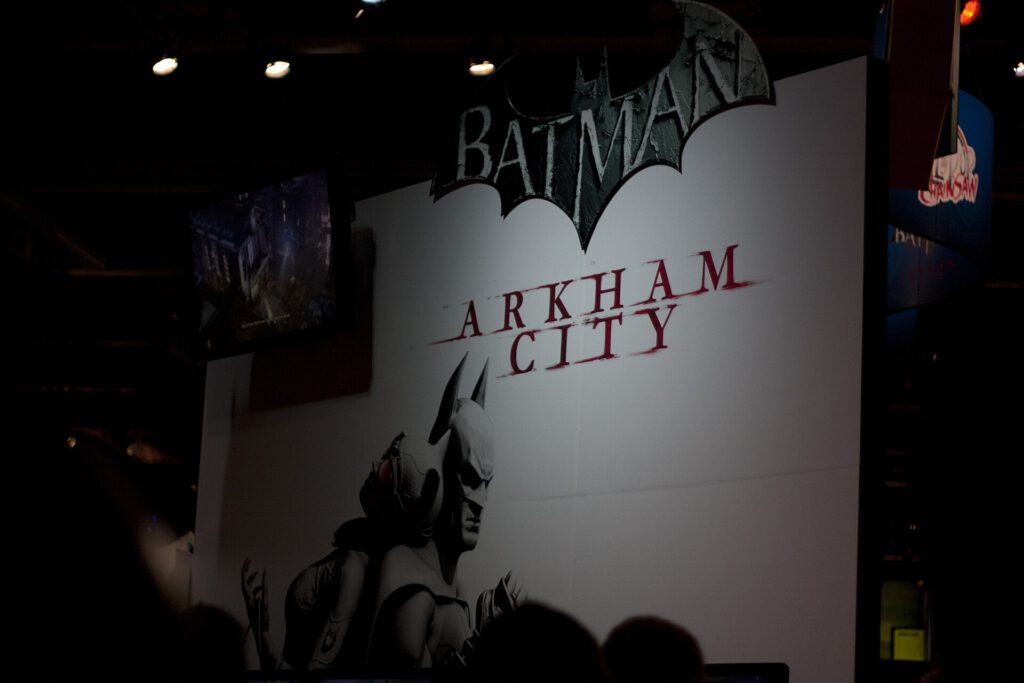
The game’s free-flowing, counter-based combat system became the industry standard. Players could slide across battlefields, break enemy limbs, and execute combo-heavy attacks. Stealth mechanics were equally robust, allowing Batman to hunt henchmen from the shadows. This design philosophy was so influential that it can be seen in later hits like Insomniac’s Spider-Man series and Monolith’s Middle-earth: Shadow of Mordor. Playing Marvel’s Spider-Man 2, released 12 years after Arkham City, feels remarkably similar in its core mechanics.
The Struggle to Follow Up
Despite the massive success of Arkham City, which reportedly sold over 12 million copies, no subsequent Batman game has matched its acclaim. WB Games Montréal released Arkham Origins in 2013, a prequel that was considered solid but ultimately a snow-covered imitation of the original formula. The final mainline entry, Batman: Arkham Knight, introduced significant flaws that alienated fans.
Arkham Knight relied heavily on the Batmobile, which functioned more like a tank than a stealth vehicle, clashing with Batman’s established no-killing policy. The titular Arkham Knight was revealed to be a rehash of Jason Todd/Red Hood rather than an original character, and the Joker appeared as a hallucination, suggesting the developers felt unable to tell a Batman story without him. These elements combined to create an antagonist lineup that lacked the compelling nature of previous entries.
In the years since, the only title to receive praise is Lego Batman: Legacy of the Dark Knight. Released this summer, it is considered the best Batman game since the Arkham series precisely because it captures the fun elements of the original games in a kid-friendly format. However, its success highlights the void left by the lack of a serious, adult-oriented successor. The Lego game’s appeal often leads players to revisit Arkham City, underscoring its enduring quality.
Rocksteady’s Future and the Batman Beyond Rumors
Following Arkham Knight, Rocksteady and publisher Warner Bros. largely put the series on ice, aside from a few virtual reality titles. WB Games Montréal shifted focus to Gotham Knights, which was panned by critics. Rocksteady spent years developing Suicide Squad: Kill the Justice League, a live-service game that failed commercially and critically.
Reports from 2025 indicate that Rocksteady is now developing a single-player Batman game. Rumors suggest this title will feature Terry McGinnis, the protagonist of Batman Beyond, set in Neo-Gotham. Whether this project follows the Arkham formula or explores a new direction, the prospect of Rocksteady returning to the Dark Knight has generated significant excitement among fans. Until that game arrives, Arkham City remains the definitive experience for superhero gaming enthusiasts.
Source: Polygon
