


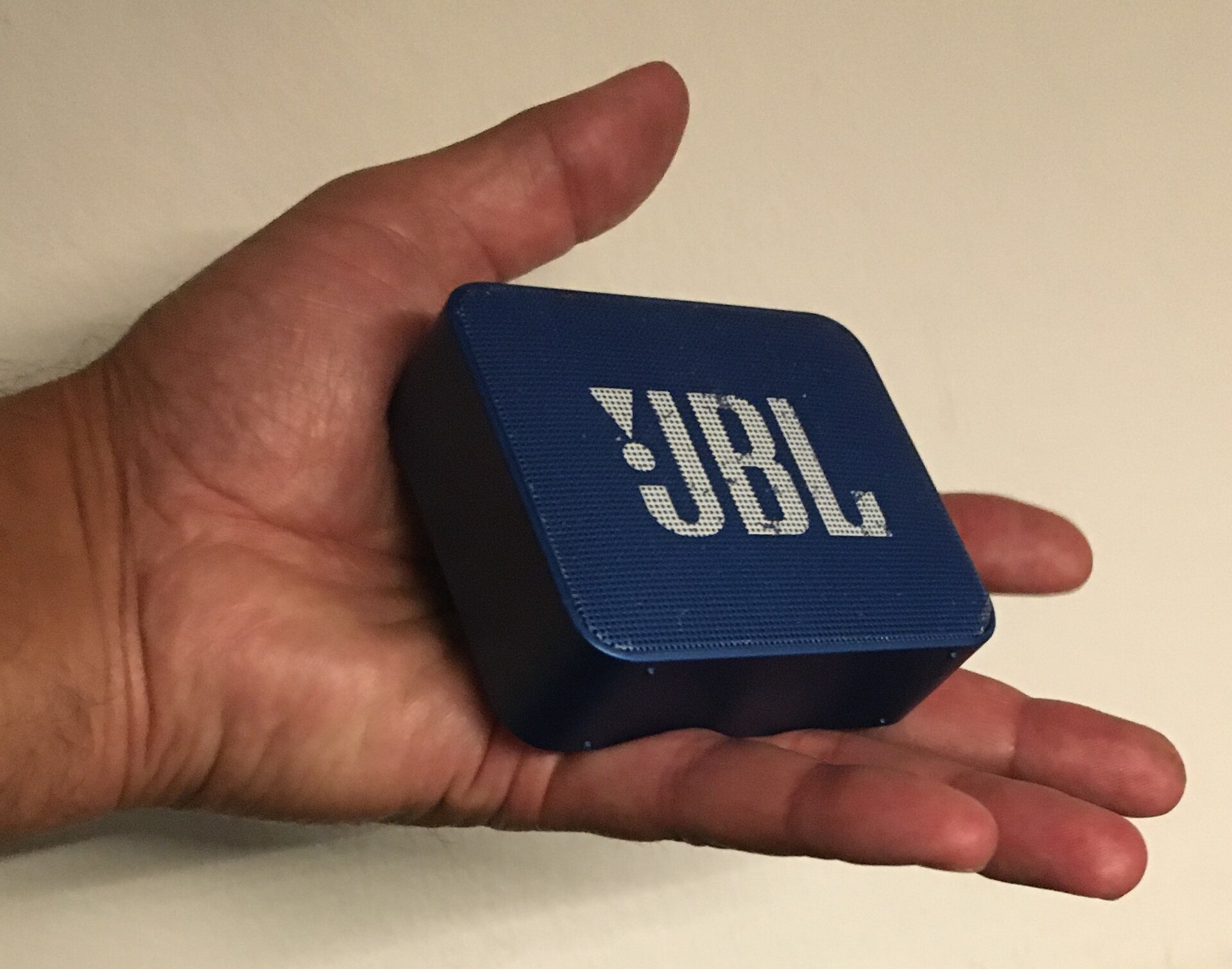
The Bluetooth Special Interest Group (SIG) has officially adopted Bluetooth High Data Throughput (HDT) as an optional feature within the Bluetooth Core 7.0 specification. This update nearly quadruples the maximum bit rate of Bluetooth Low Energy (LE), raising the ceiling from 2 Mbps to 7.5 Mbps. The move aims to improve battery efficiency and reliability while supporting higher resolution audio streams.
Audio and Connectivity Improvements
Wireless audio remains the primary application for this new standard. The increased bandwidth will allow for high-resolution audio streaming and enable new experiences such as spatial audio and multi-channel surround sound. These features will work without requiring proprietary wireless formats, creating a more open ecosystem for consumers. The first devices supporting Bluetooth HDT are expected to hit the market in 2027.

Beyond headphones, the upgrade benefits a wide range of personal electronics. Smartwatches and fitness trackers can sync health and training data more quickly. Because the radio transmits data in less time, the device spends less time in a high-power state, which helps preserve battery life. This efficiency is particularly valuable for devices that rely on small batteries and frequent data exchanges.
Extended reality and spatial computing devices will also see improvements. These gadgets can offer more robust experiences without needing a constant Wi-Fi connection. Additionally, personal AI devices can hand off data to smartphones more efficiently. This allows AI hardware to be lighter and smaller, as it does not need to process everything locally.

Faster Updates and Industrial Use
Everyday tasks like firmware updates for smart home accessories or wearables will become significantly faster. Users will no longer need to delay these updates until they have spare time, as the process will be quick enough to complete during brief interactions with the device.
Neville Meijers, CEO of the Bluetooth SIG, emphasized the broad impact of this change. He stated that Bluetooth HDT brings a new level of performance to the technology, expanding its role across consumer, commercial, and industrial markets. He described the update as a powerful foundation for the next generation of wireless innovation.
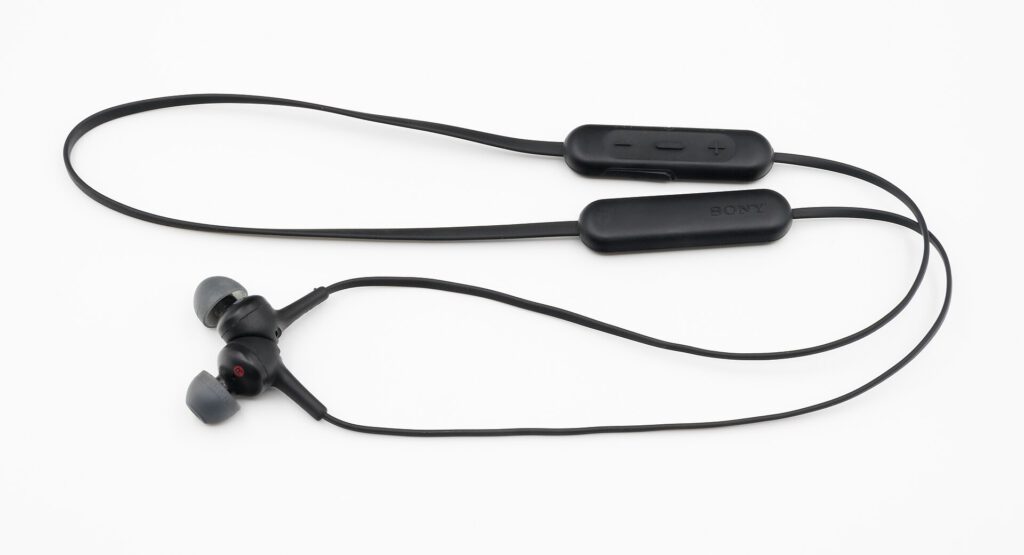
The Bluetooth SIG has been previewing this upgrade over the past year. The formal adoption marks a significant step in the evolution of the world’s most widely used wireless standard. As devices become more connected, the demand for faster and more reliable data transfer continues to grow. This standard aims to meet those demands by providing a more capable underlying infrastructure for future wireless technologies.
Source: The Verge
