


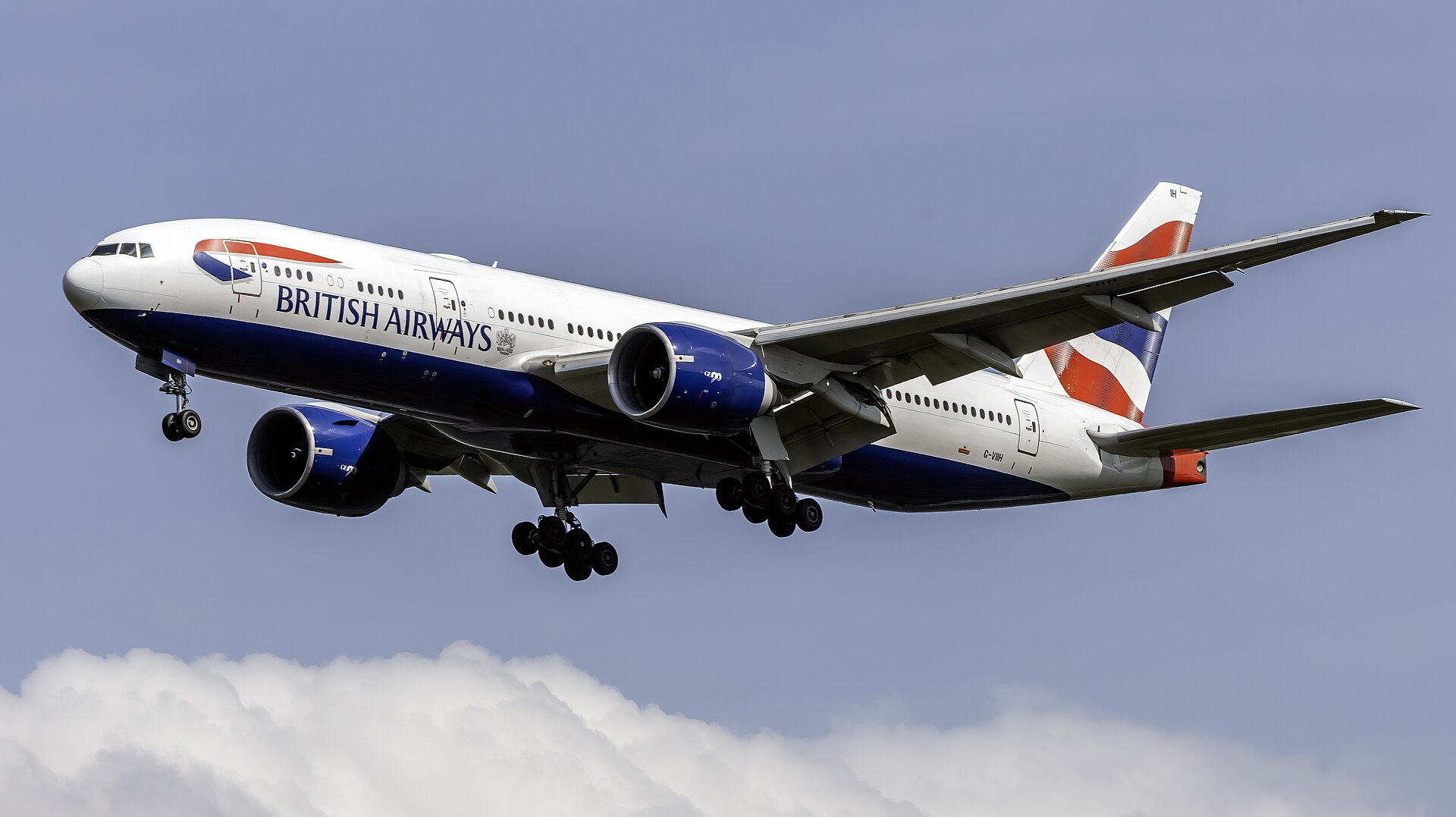
British Airways has announced the addition of four major long-haul destinations to its winter schedule, marking a significant expansion of its network from London Heathrow. The UK flag carrier, which serves more than 200 destinations across 80 countries, is shifting several services from London Gatwick to Heathrow to accommodate higher demand and modernize its fleet.
According to data from aviation analytics provider Cirium, the airline has scheduled more than 50,000 flights from the UK this winter season. This expansion includes new services to the United States, Costa Rica, and Sri Lanka, as well as a return to Melbourne, Australia, after a gap of more than two decades.
Tampa Service Moves to Heathrow with First Class
On October 25, British Airways ended 40 years of operating flights between London Gatwick and Tampa International Airport. The carrier has relocated the service to London Heathrow, where it now offers five weekly flights on Mondays, Wednesdays, Thursdays, Saturdays, and Sundays. The route is operated using the airline’s Boeing 787-10 aircraft.
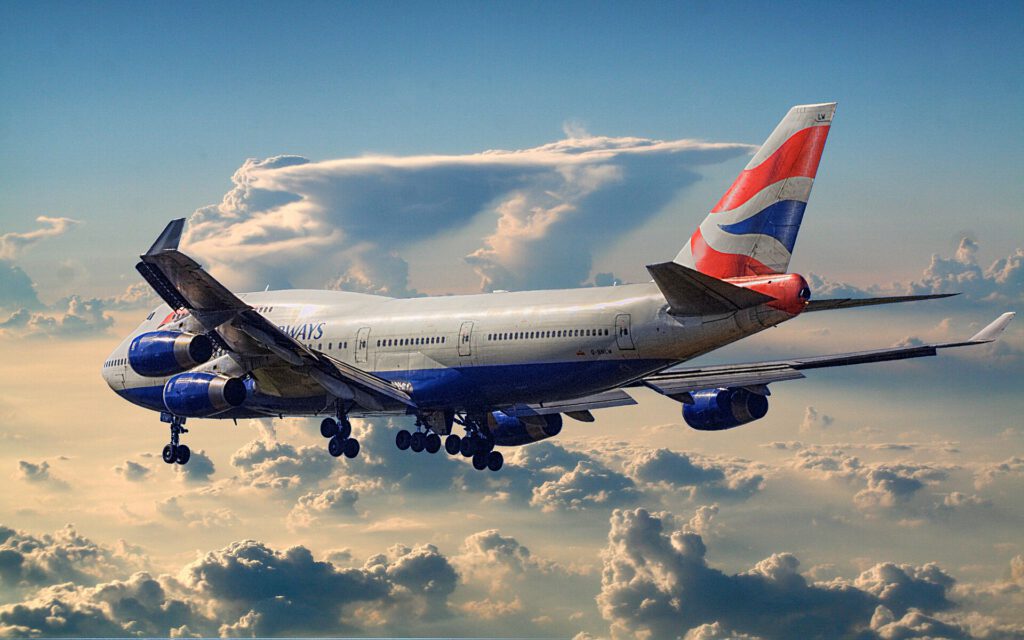
This move marks the first time British Airways offers its international First Class cabin on flights to Tampa. The airline joins Virgin Atlantic on the route, which currently offers daily flights. However, Virgin Atlantic’s frequency is scheduled to drop to three or four weekly services from November 7. This development makes Tampa the first Florida airport to host two airlines operating nonstop services from Heathrow.
The shift from Gatwick to Heathrow represents a change in strategy for the carrier. The route was previously operated as a winter seasonal service with daily frequencies using Boeing 777-300ER aircraft. The new schedule reduces frequency to five times weekly during the winter season, with plans to drop to three weekly services during the summer of 2027.
Costa Rica and Melbourne Returns
British Airways has also relocated its nonstop flights to Juan Santamaría International Airport in San Jose, Costa Rica, from Gatwick to Heathrow. The route, which previously operated only during the winter, will now run year-round. For the current winter season, which runs through March 27, 2027, the airline has increased frequencies to five weekly flights on Tuesdays, Wednesdays, Fridays, Saturdays, and Sundays.
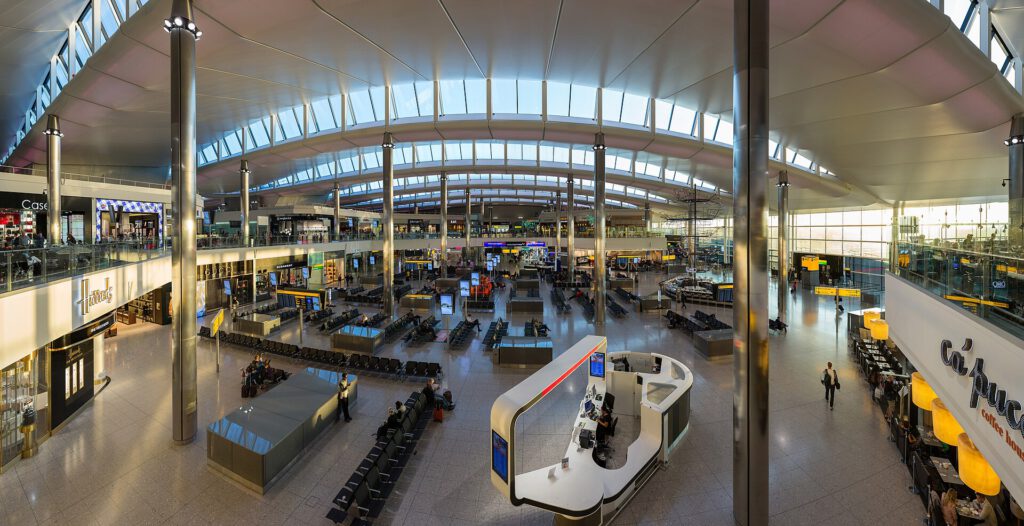
In a notable return to the Australian market, British Airways will resume services to Melbourne Airport starting January 9, 2027. This marks the first time the carrier has served the city in more than 20 years, having previously operated via Singapore. The new flights will operate daily from London Heathrow to Melbourne via Kuala Lumpur International Airport.
The airline will use its Boeing 787-9 Dreamliner for the Melbourne route, with both 215-seat and 216-seat configurations scheduled. Booking data for the 12 months ending June 2026 indicates that approximately 1.3 million round-trip passengers traveled between Europe and Melbourne. London Heathrow was the largest individual airport market, accounting for around 264,000 passengers during that period.
Sri Lanka Entry Faces Gulf Competition
The final addition to the network is Colombo’s Bandaranaike International Airport in Sri Lanka. British Airways will operate three weekly nonstop flights during the northern winter season. The airline previously served Colombo from London Gatwick between 2013 and 2015, though flights in both directions operated via Malé, the capital of the Maldives.
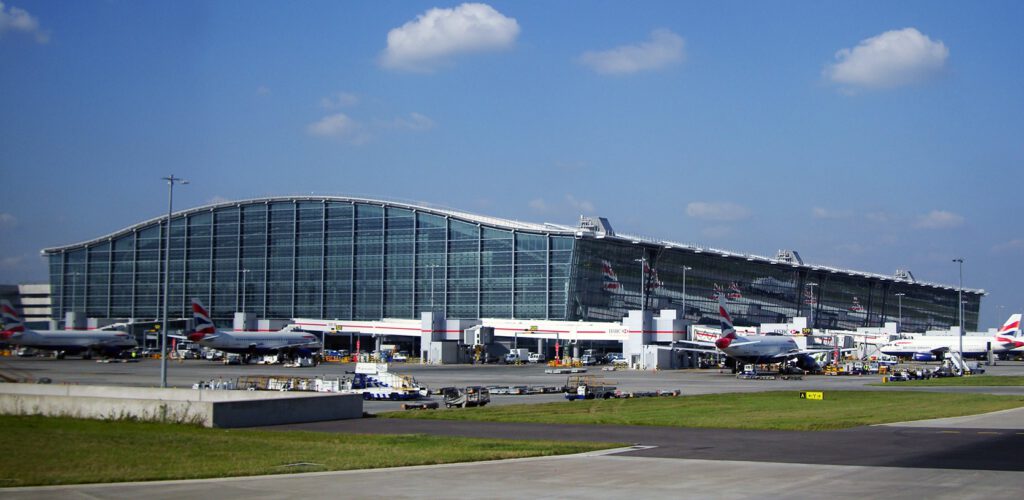
Passenger demand between London and Colombo was strong, with around 409,000 round-trip passengers traveling the route in 2025. London remains Sri Lanka’s largest European market, driven by both tourism and visits to friends and relatives. However, the route faces stiff competition from SriLankan Airlines, which operates nonstop flights, as well as Emirates, Etihad Airways, and Qatar Airways.
These Gulf carriers have a strong presence in the one-stop market between Europe and Sri Lanka and offer competitive fares. The success of the new British Airways service will depend on its ability to attract higher-yielding passengers to sustain the route against this established competition.
Source: Simple Flying
