


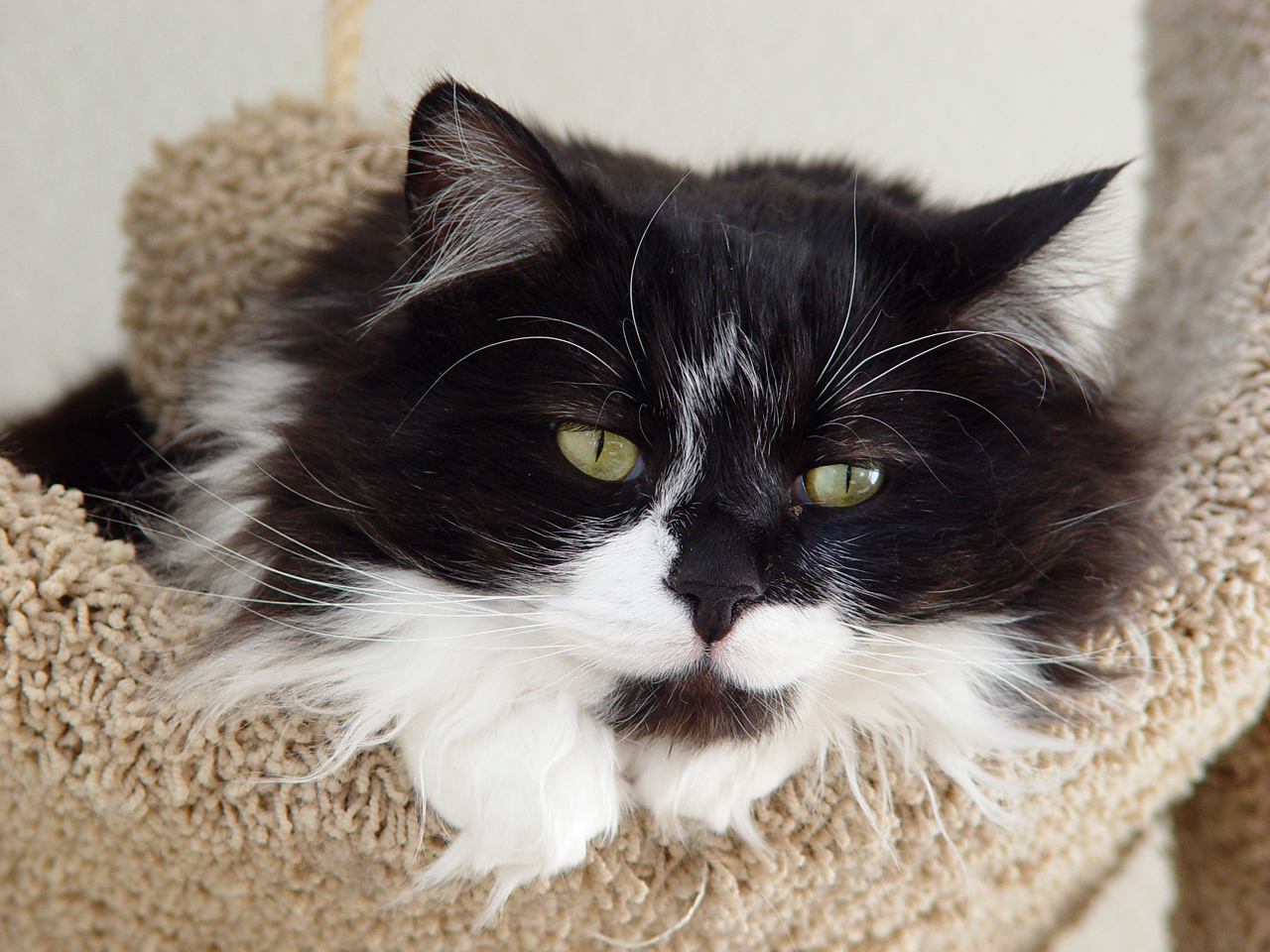
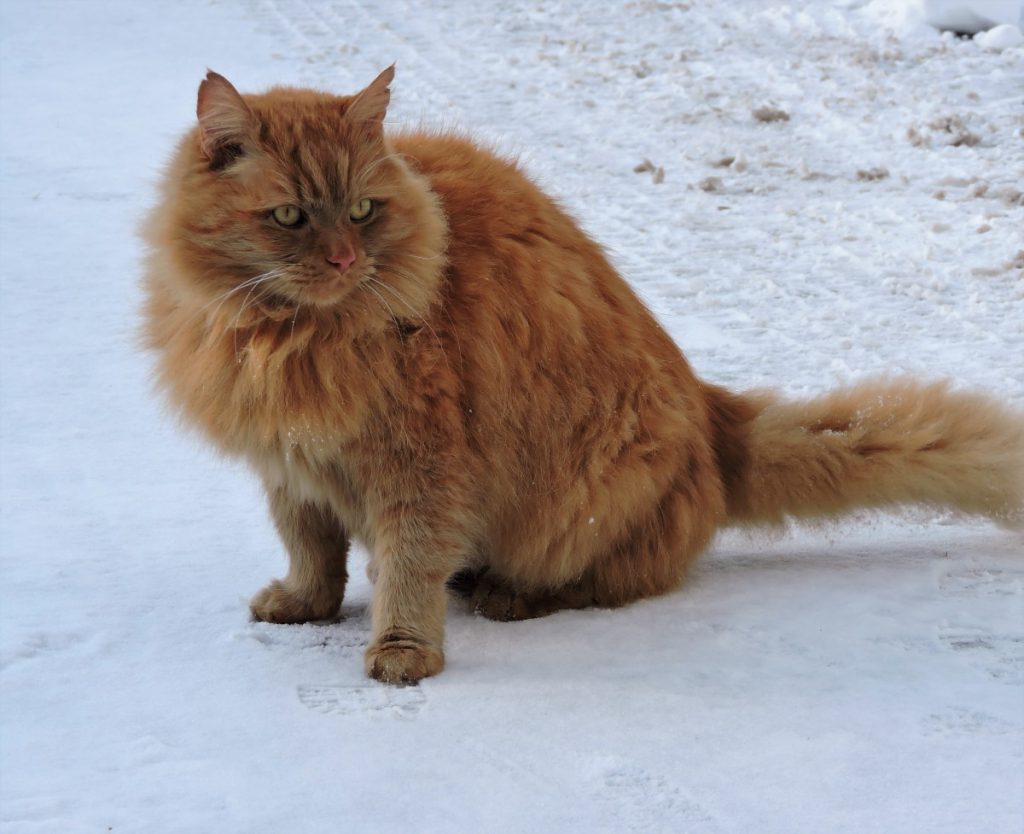
Two domestic cats with unusually long limbs have led Cornell University scientists to the first molecular characterization of Marfan syndrome in felines. The study, published in Scientific Reports, details how the brothers, named Gary and Shaggy, helped researchers identify a rare genetic condition previously documented only in humans.
Unusual Symptoms Lead to Genetic Discovery
The two brothers first drew attention as kittens due to their elongated limbs. As they aged, veterinarians noted additional health issues, including structural abnormalities in their eyes and an enlarged aorta, which is the main artery carrying blood from the heart. These physical traits aligned with Marfan syndrome, an inherited disorder that weakens connective tissues throughout the body. The condition affects roughly one in 4,000 people globally.
Dr. Jacquelyn Evans, an assistant professor in the College of Veterinary Medicine and at the Baker Institute for Animal Health, noted that the discovery opens new avenues for animal healthcare. She stated that the research can help veterinarians recognize similar cases in the future and may assist in developing specific genetic tests for cats.
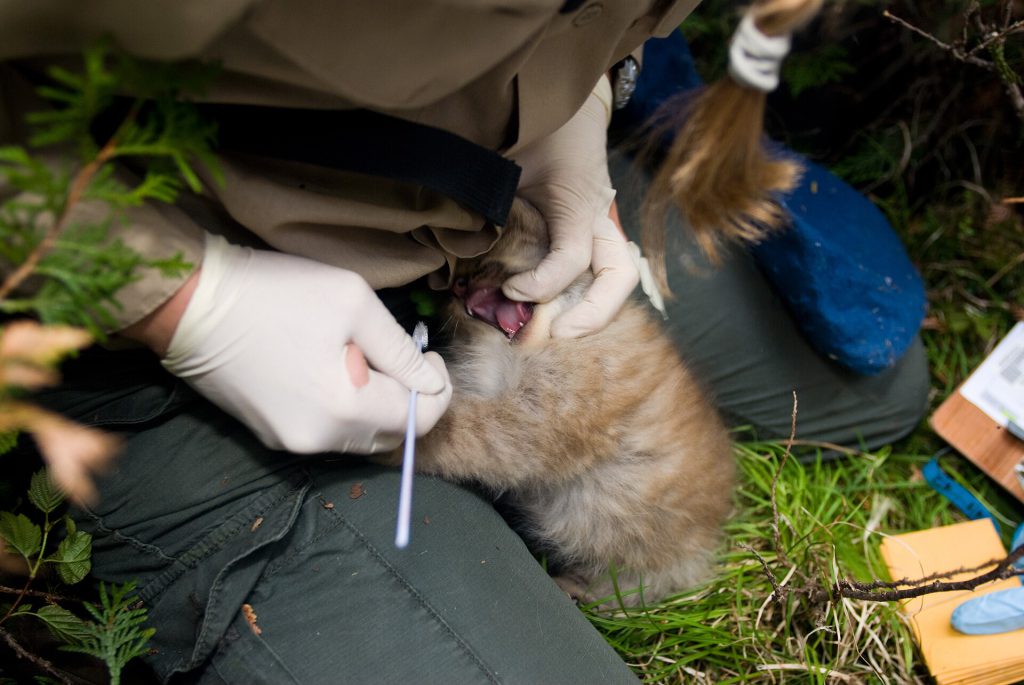
To pinpoint the cause of the brothers’ symptoms, a multidisciplinary team conducted thorough medical examinations and analyzed their DNA. The investigation focused on the FBN1 gene, which provides instructions for producing fibrillin-1. This protein is vital for healthy connective tissue, supporting structures such as blood vessels, bones, ligaments, skin, and eyes.
Double Mutation Explains Survival
Genetic testing revealed that Gary and Shaggy each possessed two altered copies of the FBN1 gene, having inherited one mutated copy from each parent. This finding was particularly significant because, in humans, a mutation in just one copy of the gene is typically sufficient to cause Marfan syndrome. Carrying two altered copies is exceptionally uncommon and usually results in a much more severe disruption of normal fibrillin-1 production.
Despite having two mutated copies, the brothers survived into adulthood. Further analysis showed that their specific variant did not completely disable the gene. Instead, it interfered with how the gene’s instructions were processed while still allowing some normal activity to continue. This remaining function likely explains their ability to survive, as a complete loss of function would likely have been fatal or caused far more severe symptoms.
The identification of these cases provides a foundation for improved veterinary diagnostics. It allows for better recognition of similar presentations in other cats and supports the development of targeted genetic testing. The study highlights the value of unusual animal cases in advancing medical understanding of inherited disorders.
Source: ScienceDaily
