


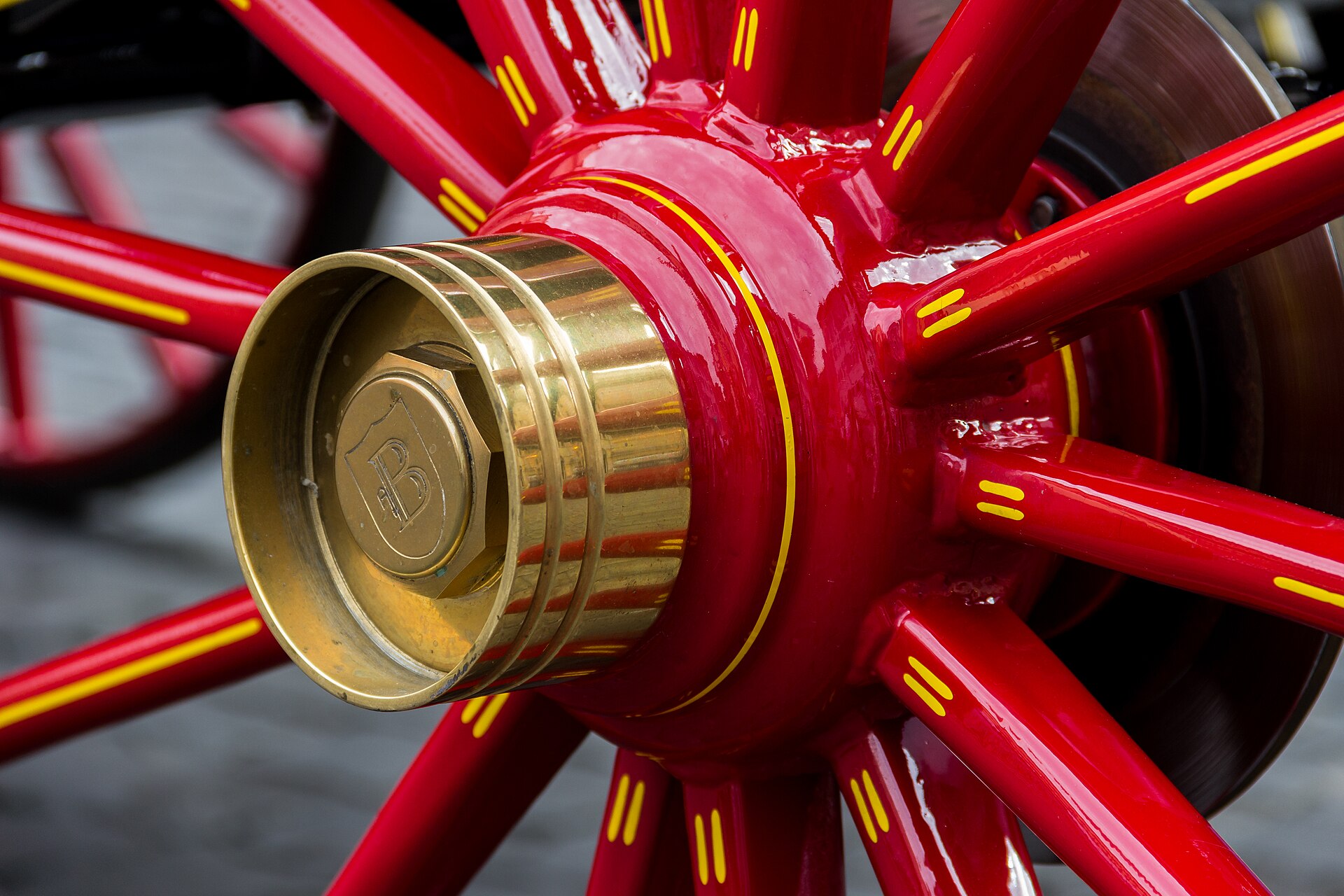
New York City is moving to eliminate one of its most recognizable tourist experiences. The City Council passed legislation on Thursday that will phase out the horse-drawn carriage industry by mid-2028. This decision ends a tradition that has operated in the city for more than 165 years.
License Cutoff and Transition Timeline
The new law establishes a clear deadline for the industry’s conclusion. Licenses for carriage horses, horse-drawn cabs, and drivers will stop being issued on June 1, 2028. Existing licenses will expire at the end of May 2028, marking the final day for commercial operations.
City officials have outlined specific requirements for the wind-down process. The bill mandates a “humane disposition” for the horses involved in the trade. It also requires a transition plan for the more than 150 active drivers to be submitted by April 2027. This plan must address compensation for business owners, covering their licenses and equipment.
While commercial tours will cease, the legislation allows for continued use of carriages in specific non-commercial contexts. Permits will remain available for parades, weddings, and film productions. These exceptions ensure that the visual presence of horse-drawn carriages persists in the city for ceremonial and artistic purposes.
Safety Concerns and Fatal Incident
The push to ban the industry gained significant momentum this year after a tragic event in June. Romanch Mahajan, a teenage tourist from India, died during an incident involving a runaway carriage horse. This fatality revitalized a decades-long campaign by animal welfare advocates to end the practice.
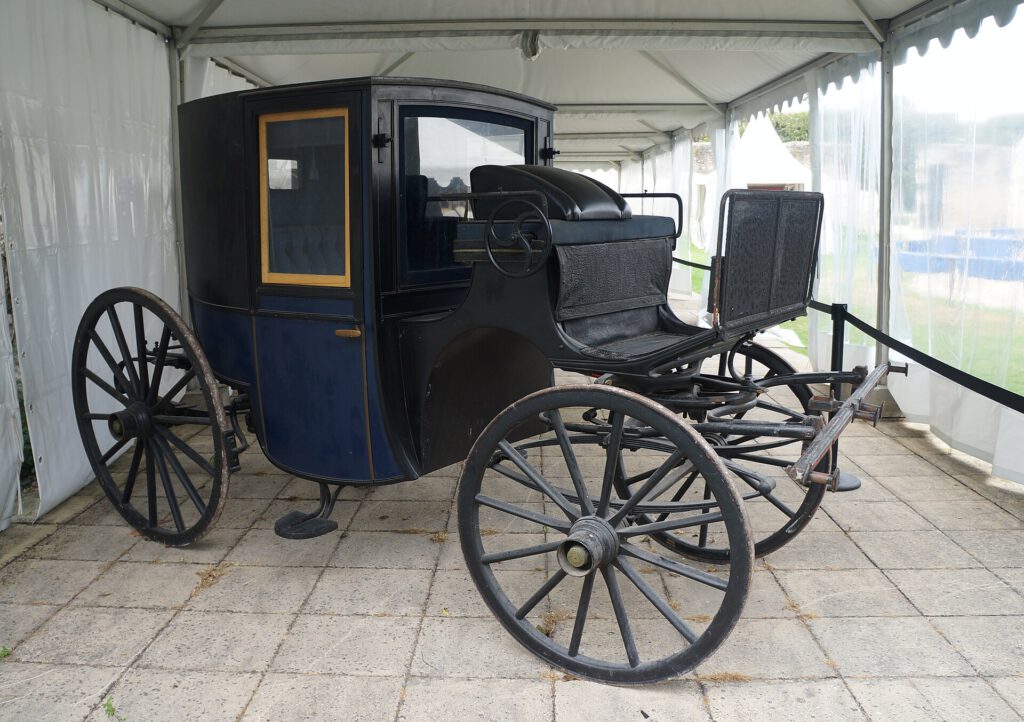
Data collected by Manhattan Borough President Brad Hoylman-Sigal highlights the frequency of accidents in the area. An analysis of public records identified 96 “serious” incidents and 40 horse deaths near Central Park since 1982. These statistics have been central to the argument that the practice poses unacceptable risks to both animals and tourists.
Conor McHugh, a longtime carriage driver and stable manager, defended the industry during a hearing earlier this year. He described the rides as “folklore” and noted that people from around the world travel to New York specifically for this experience. However, lawmakers have prioritized safety data over historical sentiment.
Impact on Tourism and Legal Challenges
The Central Park Conservancy addressed concerns about visitor numbers at a July hearing. The organization stated it does not expect a drop in park visitation, noting that Central Park draws 42 million visitors annually. Pedicabs have been suggested as an alternative mode of transport, though lawmakers have pointed out that the pedicab industry also faces its own regulatory issues.
The bill now moves to Mayor Zohran Mamdani for signature. The Transport Workers Union Local 100 has announced its intention to challenge the legislation in federal court. This legal battle could delay or alter the implementation of the phase-out, but the City Council’s vote signals a firm political commitment to ending the carriage trade.
Source: Skift
