


Pennsylvania health officials confirmed 1,004 measles cases this year, establishing the state’s largest outbreak in more than 30 years. The surge has resulted in 198 hospitalizations and five deaths, according to the Pennsylvania Department of Health. The outbreak began in April west of Philadelphia and has since spread, with officials attributing the rapid transmission to low vaccination rates in affected communities.
Pennsylvania measles outbreak data and federal dispute
The state’s official case count stands at 1,004, but this figure is excluded from the Centers for Disease Control and Prevention’s national tally. The discrepancy stems from a public disagreement between Pennsylvania Governor Josh Shapiro and US Health Secretary Robert F. Kennedy Jr. regarding how to classify measles-related fatalities. Governor Shapiro has criticized Kennedy’s handling of the situation, while Kennedy has publicly questioned whether the state’s recorded deaths were directly caused by the virus. Consequently, the CDC currently lists only two measles deaths in the United States for this year.
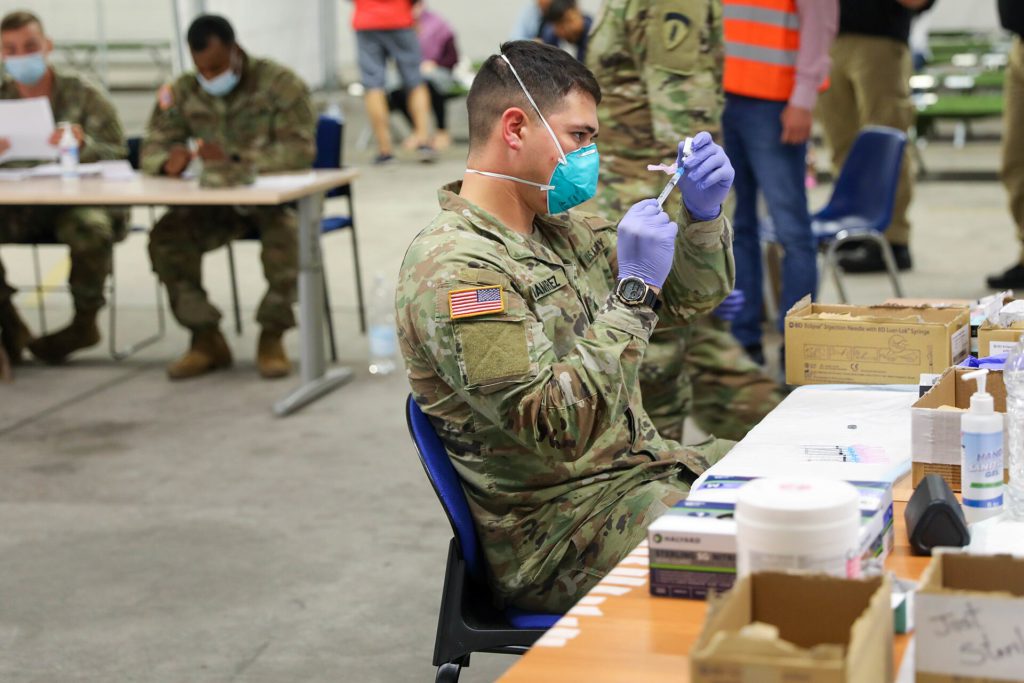
Despite the federal standoff, state authorities are expanding access to the measles, mumps, and rubella (MMR) vaccine in impacted areas. Governor Shapiro issued a statement urging residents to take the threat seriously regardless of their location or background. “I want every Pennsylvanian to know this: measles does not care about your county, your faith, or your social circle,” Shapiro said in August. He advised residents to discuss any vaccine concerns with their healthcare providers.
Regional spread and historical context
Lancaster County remains the epicenter of the Pennsylvania outbreak, recording 391 cases. The county has a large Amish and Mennonite population, and infection rates have risen significantly over the past three months. The highest number of infections has occurred among individuals aged 24 to 49. Neighboring states are also experiencing significant surges. New York Governor Kathy Hochul declared a state of emergency on Monday after reporting 108 cases as of October 3. Ohio, which shares a border with Pennsylvania and also has a substantial Amish population, has reported more than 200 cases this year.

Nationally, the United States is facing its worst measles year since 1991. The CDC reported 3,887 confirmed cases across the country as of October 1, alongside the highest number of measles-associated deaths in decades. Outbreaks have been identified in Texas, Utah, and South Carolina, which reported 997 cases. The last domestic outbreak to exceed 1,000 cases occurred in New York City in the early 1990s, infecting more than 4,500 people. During the resurgences in 1989 and 1991, the US recorded 55,000 infections and 123 deaths.
Domestic measles transmission was eliminated in the US in 2000 due to high vaccination coverage. However, rates have declined in recent years, falling below the 95% threshold required to prevent widespread outbreaks. International health officials are scheduled to meet in November to determine whether the United States and Mexico have lost their measles-free status.
Source: The Guardian
