


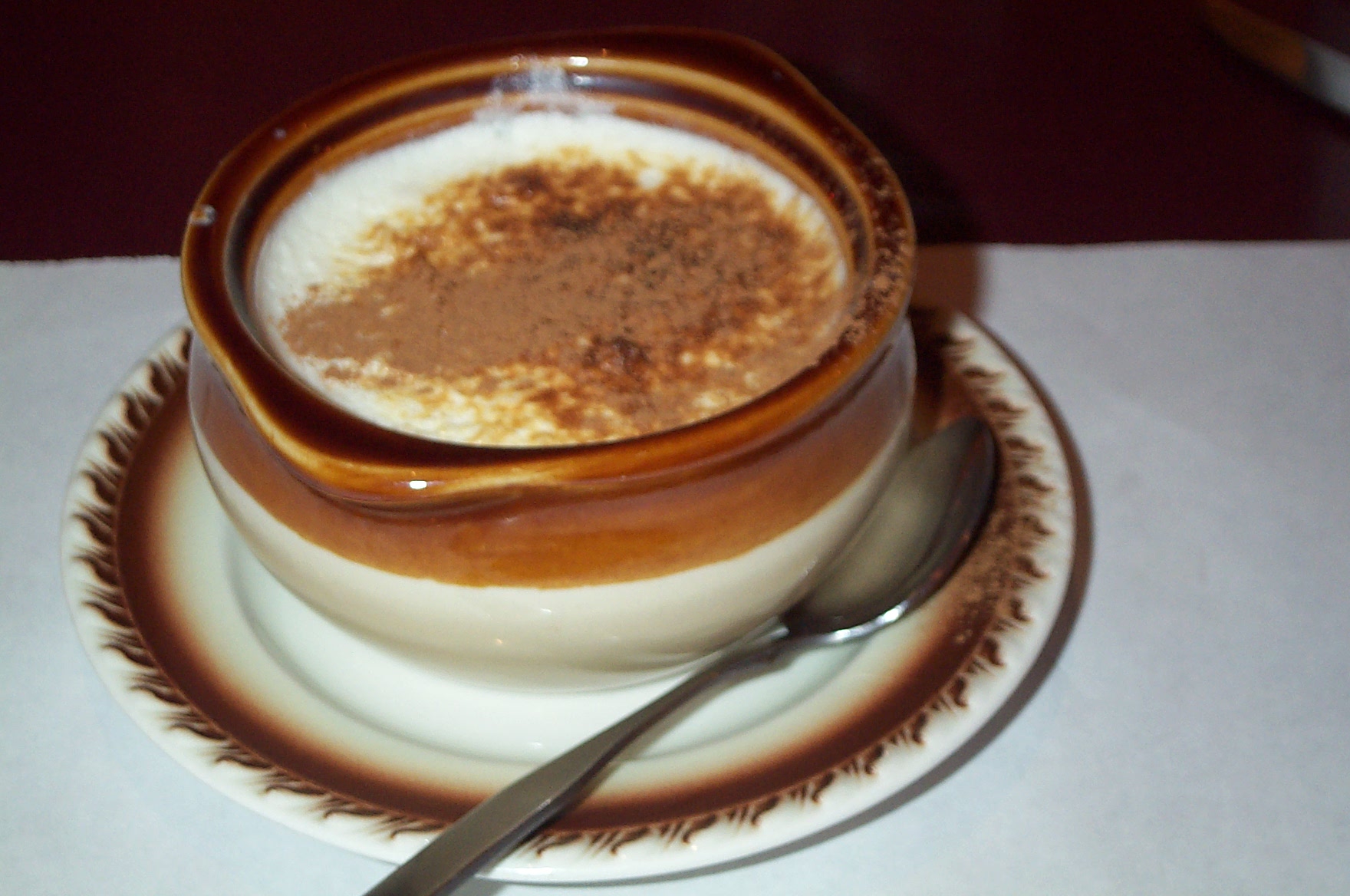
A dessert that balances temperature and texture is emerging as a compelling option for those seeking a sophisticated yet approachable sweet course. The combination features cold pears stained a deep crimson by tart hibiscus, set against a backdrop of hot, creamy, spiced rice pudding. The dish relies on the contrast between the gently tangy fruit and the rich, fragrant grains to create a memorable eating experience.
Preparing the hibiscus-poached pears
The foundation of this dish is the fruit preparation, which benefits significantly from advance planning. Dried hibiscus flowers, which possess a tart, berry-like flavor, are the key ingredient for coloring and flavoring the syrup. These flowers are typically available at Middle Eastern grocers or online retailers.
To begin, 20 grams of dried hibiscus flowers are placed in a medium saute pan with 600 milliliters of water. The mixture is brought to a boil, then removed from the heat. It is covered and left to infuse for 15 minutes. Afterward, the liquid is strained through a fine sieve, pressing the flowers to extract as much colored liquid as possible before discarding the solids.
While the infusion steeps, three firm-but-ripe conference pears are peeled, halved lengthways, and cored using a teaspoon. The hibiscus liquid is returned to the pan along with 150 grams of caster sugar, two wide strips of lemon peel, two tablespoons of lemon juice, and a pinch of fine sea salt. The pan is heated over medium heat until the sugar dissolves.
The pear halves are then slipped into the syrup. To ensure they remain submerged and cook evenly, the surface of the liquid is covered with a round of baking paper. The mixture is brought to a gentle simmer, and the pears are turned occasionally for about 20 minutes. They are ready when tender to the tip of a knife but still hold their shape. Overcooking should be avoided, as the timing can vary based on the ripeness of the fruit.
Once cooked, the pears are left to cool in the syrup. They are then covered and refrigerated for at least four hours, though leaving them overnight allows the color and flavor to deepen further. This chilling step is essential for creating the temperature contrast with the warm pudding.
Cooking the cardamom rice pudding
The rice pudding component requires patience and gentle heat to achieve the correct consistency. 120 grams of short-grain rice, such as arborio or sushi rice, are combined with 900 milliliters of whole milk in a medium saucepan. The flavor profile is built using six to eight lightly bashed green cardamom pods, two fresh bay leaves, the seeds from half a vanilla pod, the empty vanilla pod half, two wide strips of lemon peel, and a quarter rounded teaspoon of fine sea salt.
The mixture is brought just to a simmer, then the heat is turned down to low. It cooks very gently for about 30 minutes. Stirring occurs occasionally at first, then more frequently as the rice thickens. The goal is to reach a point where the rice is tender and surrounded by plenty of creamy liquid.
Next, 60 grams of caster sugar are added. The pudding is stirred frequently for another four to five minutes before being removed from the heat. The cardamom pods, lemon peel, bay leaves, and vanilla pod are picked out and discarded. Finally, 70 milliliters of double cream are stirred in. The pudding should be loose enough to settle across a shallow bowl, keeping in mind that it will thicken as it stands.
To serve, the hot rice pudding is divided between six shallow bowls. A cold pear half is placed on top of each portion. A little extra cream is spooned around the pudding, and the dish is finished with a scattering of 25 grams of lightly toasted and roughly chopped shelled pistachios. The result is a dish where the jewel-bright crimson pears offset the warm, creamy grains.
Source: The Guardian
