


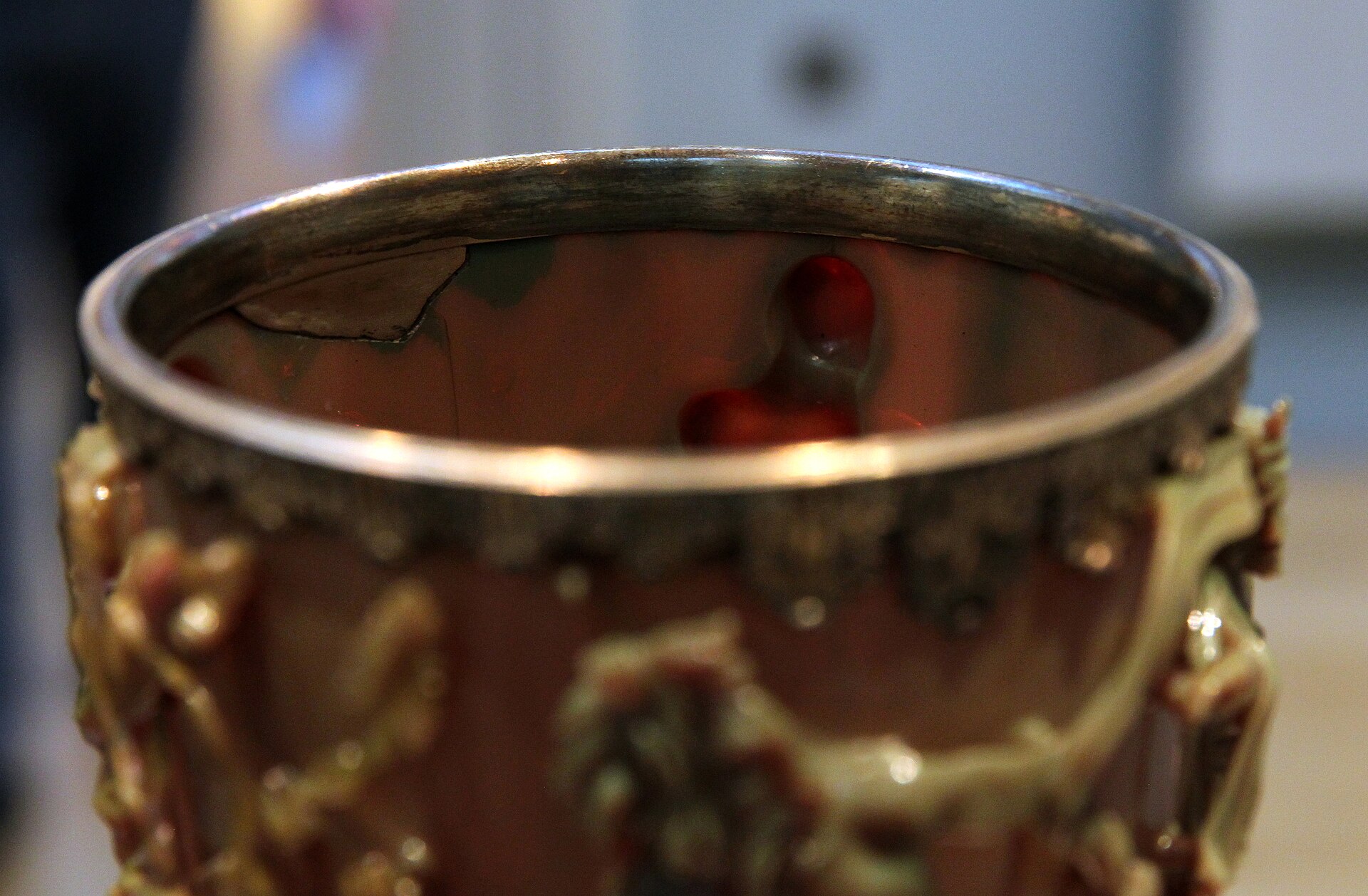
Scientists at the University of Sheffield have successfully replicated the optical properties of the 1,600-year-old Lycurgus Cup, a masterpiece held in the British Museum. The project, led by Dr. Lisa Hollands and Professor Caroline Jackson, has produced a modern version of the ancient artifact that matches the original’s unique ability to shift color based on lighting conditions.
The original fourth-century cup, recognized in 2022 as one of the seven glass wonders of the world, appears jade green under normal light but turns ruby red when illuminated from behind. This dichroic effect has baffled historians and glassmakers for centuries, with previous attempts to replicate the phenomenon yielding limited success.
Nanoparticle Engineering in Antiquity
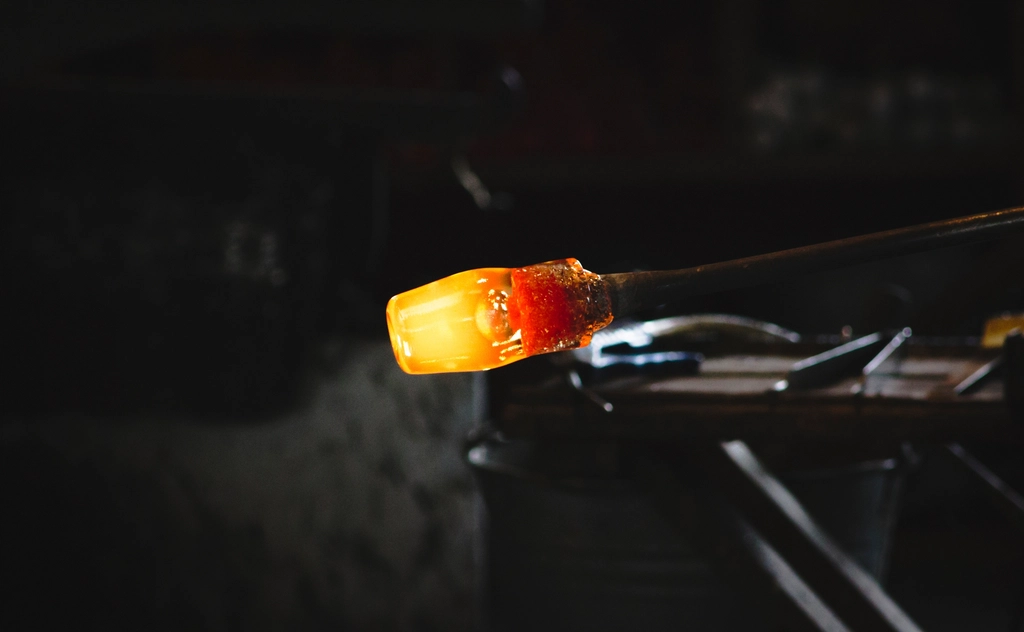
The breakthrough relied on an ancient recipe derived from a fragment of the original Roman dichroic glass. The team embedded gold and silver nanoparticles into molten glass, each particle measuring a thousand times smaller than a grain of sand. As the glass cooled from temperatures exceeding 1,000 degrees Celsius, these nanocrystals grew around particles within the mixture.
Dr. Hollands explained that the color shift occurs because the nanoparticles interact with light wavelengths. When light passes through the glass, the gold and silver particles block blue and green light, allowing only reds and oranges to pass. When light reflects off the surface, the particles scatter the light, creating the opaque green appearance.
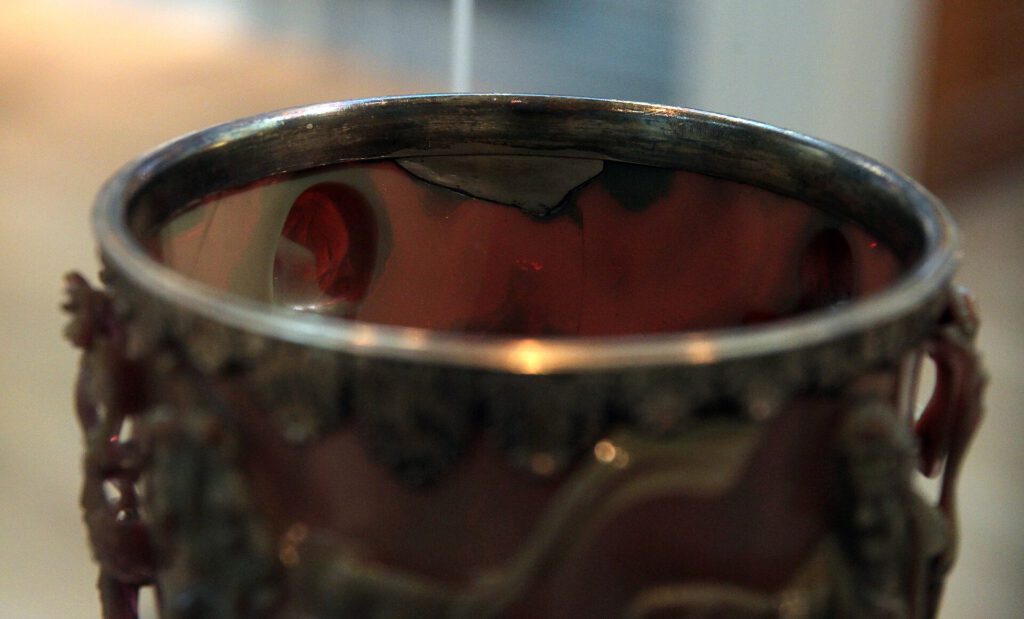
“To me, it’s magic,” Dr. Hollands said. She noted that the process was a “labour of love” and suggested that ancient Roman craftsmen would likely be amused by modern scientists struggling to replicate a technique they mastered over 1,600 years ago.
Modern Sculpture and Historical Context
To demonstrate the replication, the university commissioned glass artist Elliot Walker to create a contemporary sculpture. The piece combines the mythological story of King Lycurgus, depicted on the original cup, with the Farnese Atlas sculpture, replacing the globe with a cup. This new work will be unveiled at the Millennium Gallery from November 6 to 15 as part of the university’s Festival of the Mind, before moving to a permanent display at the Turner Museum of Glass.
Experts have praised the precision of the new replication. Ian Freestone, emeritus professor of archaeological materials at University College London, stated that while a similar colored glass was replicated in the 1960s, the Sheffield project is much closer to the actual shades of the Lycurgus Cup.
“This is more ambitious and more precise,” Freestone said. “I was excited because, for the first time, I was getting a feel of just how difficult it was to get these colours. This will help us understand how the Roman craftsmen actually worked.”
Freestone added that the color was highly sensitive to furnace conditions, suggesting that Roman makers likely “hit the jackpot” to achieve such consistent results. He also noted a theory that the red and green colors symbolized the ripening of grapes, fitting for a cup potentially used in drinking ceremonies related to the myth of Dionysus.
Historical records support the existence of such items. A letter attributed to Emperor Hadrian mentions sending “parti-coloured cups that change colour” to his brother-in-law, recommending their use at banquets on feast days.
Source: The Guardian
