


Statins remain a primary defense against cardiovascular disease, helping millions of patients avoid heart attacks and strokes by lowering cholesterol. Despite their proven benefits, a significant number of users experience muscle pain or weakness. In rare cases, these side effects escalate to severe muscle breakdown that can threaten kidney function. Now, scientists have identified the specific molecular mechanism behind these complications, offering a path toward safer medications.
UBC Researchers Identify Calcium Channel Interference
A team from the University of British Columbia (UBC), collaborating with researchers at the University of Wisconsin-Madison, published their findings in Nature Communications. The study explains how statins interact with a protein called the ryanodine receptor (RyR1) inside muscle cells. This protein normally acts as a controlled gateway, releasing calcium only when muscles need to contract.
Using cryo-electron microscopy, the researchers observed how statin molecules attach to this receptor. They found that the drugs do not just pass through; they physically hold the channel open. This prevents the protein from closing properly, causing calcium to leak continuously into areas where it should be regulated. The resulting calcium imbalance injures muscle tissue, leading to the soreness and fatigue reported by patients.
“We were able to see, almost atom by atom, how statins latch onto this channel,” said lead author Dr. Steven Molinarolo, a postdoctoral researcher in UBC’s department of biochemistry and molecular biology. “That leak of calcium explains why some patients experience muscle pain or, in extreme cases, life-threatening complications.”
Three Molecules Lock the Channel Open
The investigation focused on atorvastatin, a widely prescribed cholesterol medication. The team discovered an unusual binding pattern involving three statin molecules. The first molecule binds to the receptor while it is closed, increasing the likelihood that the channel will open. Once open, two additional molecules enter the same pocket and lock the channel in that position.

This structural insight provides a clear roadmap for drug developers. By modifying the specific parts of statin molecules that interact with the RyR1 protein, scientists may be able to create versions that lower cholesterol without disrupting calcium regulation in muscle tissue. Dr. Filip Van Petegem, senior author and professor at UBC’s Life Sciences Institute, noted that this is the first time the activation mechanism has been clearly visualized.
“It’s a big step forward because it gives us a roadmap for designing statins that don’t interact with muscle tissue,” Van Petegem said. “Statins have been a cornerstone of cardiovascular care for decades. Our goal is to make them even safer, so patients can benefit without fear of serious side effects.”
More than 200 million people worldwide take statins. While severe muscle injury is rare, mild symptoms like soreness and weakness are common enough that some patients stop taking their medication. Discontinuing treatment leaves these individuals vulnerable to heart disease and stroke. The ability to design statins with fewer muscle-related side effects could help more patients stay on their prescribed regimens.
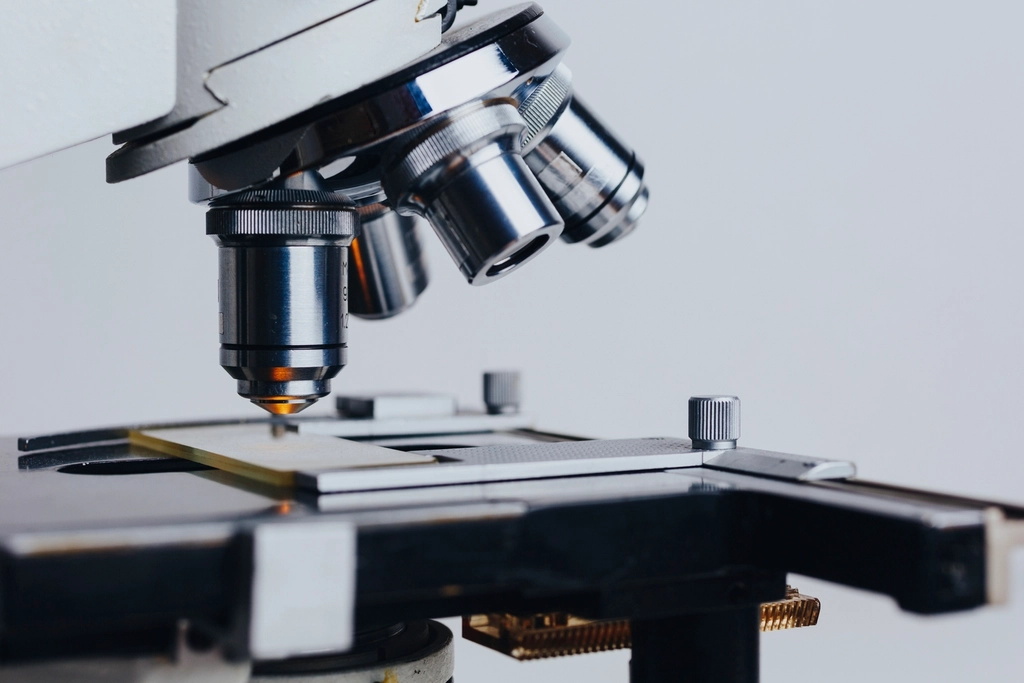
The research required high-resolution imaging at UBC’s macromolecular cryo-electron microscopy facility. These detailed structural insights connect a long-standing drug safety concern to a specific molecular process. Although new drugs based on this mechanism are still years away, the findings provide a concrete target for future pharmaceutical development aimed at reducing statin side effects.
Source: ScienceDaily
