


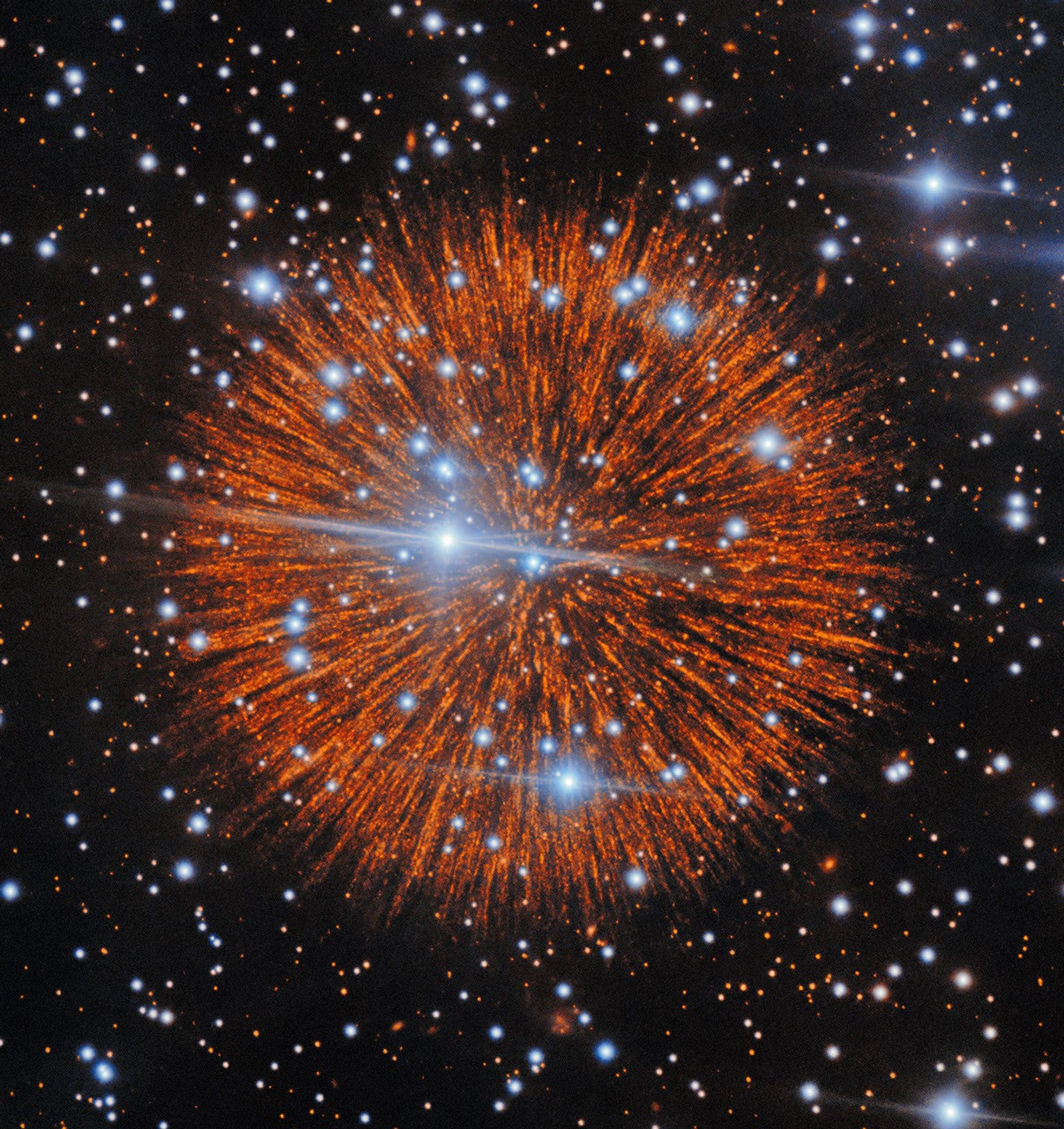
Astronomers have turned their attention to a celestial object that has been expanding in the sky for nearly nine centuries. The image, captured by the Gemini North Telescope in Hawaii, shows the supernova remnant Pa 30. This nebula is not a modern event but the lingering debris from a stellar explosion that occurred in the year 1181.
Historical records from Chinese, Japanese, and Arabic astronomers document a “guest star” that remained visible in the night sky for 185 days during that year. Modern astrophysics links this historical sighting to the formation of Pa 30. The object serves as a long-term laboratory for studying how stars end their lives in specific, rare ways.
Unusual Type Iax Explosion
The explosion that created this nebula is classified as a Type Iax supernova. This category represents a distinct class of stellar death that differs from the more common Type Ia events. While Type Ia supernovae typically result in the complete destruction of the progenitor star, Type Iax events are thought to be less energetic and leave behind a surviving central object.
Current models suggest that this specific explosion was caused by the merger of two white dwarfs. A white dwarf is the dense, Earth-sized core of a dead star. When two of these compact objects collide and merge, the resulting interaction can trigger a partial thermonuclear runaway. This process creates the expanding shell of gas and dust seen in Pa 30 today.
Central Star and Radial Filaments
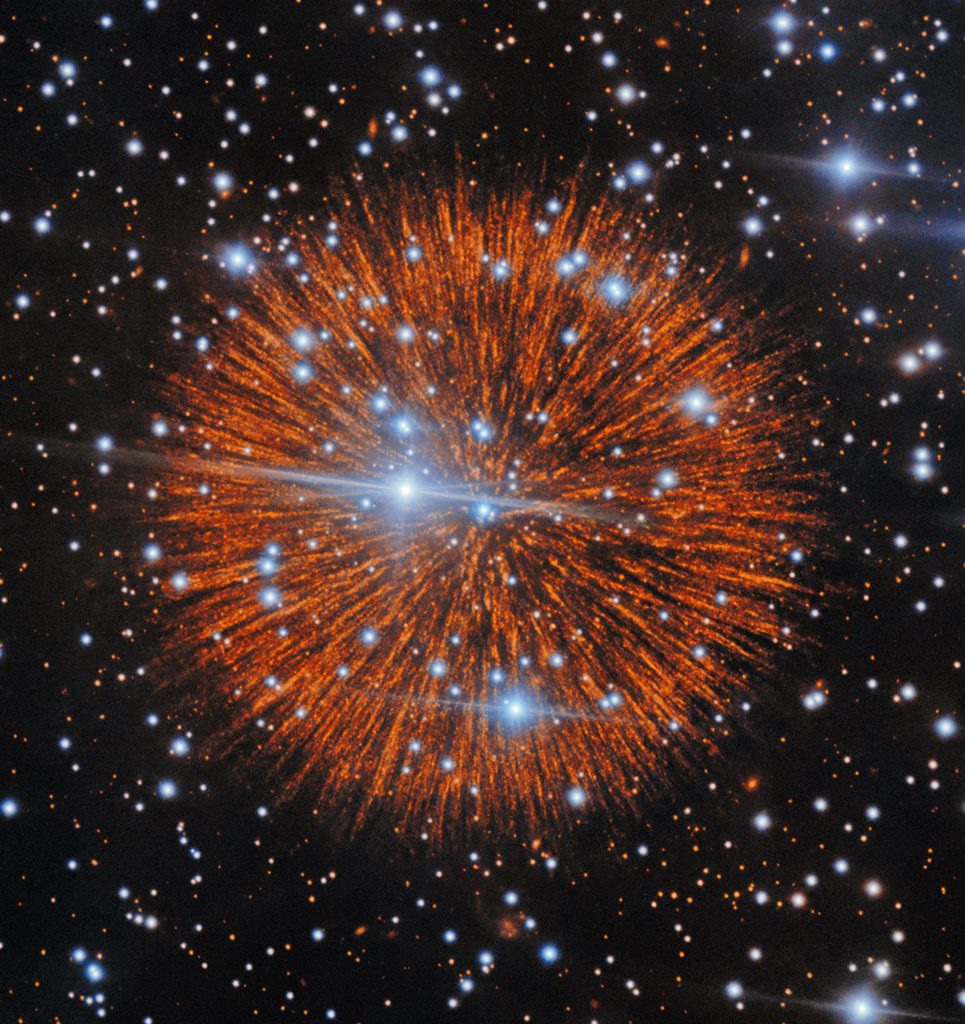
At the heart of the nebula lies a mysterious central star. This object is extremely hot and generates a powerful stellar wind. The wind interacts with the surrounding material ejected during the supernova, creating the radial filaments visible in telescope images.
Close inspection of these filaments reveals a chain of pearl-like knots. Each of these knots measures approximately four light-days in diameter. The structure of these knots provides clues about the density and composition of the material expelled during the explosion. Understanding the dynamics of this wind and its interaction with the nebula remains a key focus for researchers.
The study of Pa 30 continues to challenge existing theories of stellar evolution. The 845-year gap between the initial explosion and modern observations allows scientists to track the long-term cooling and expansion of the remnant. This extended timeline offers a unique perspective on the physics of supernova remnants that is not available for younger, more transient events.
Source: NASA
