


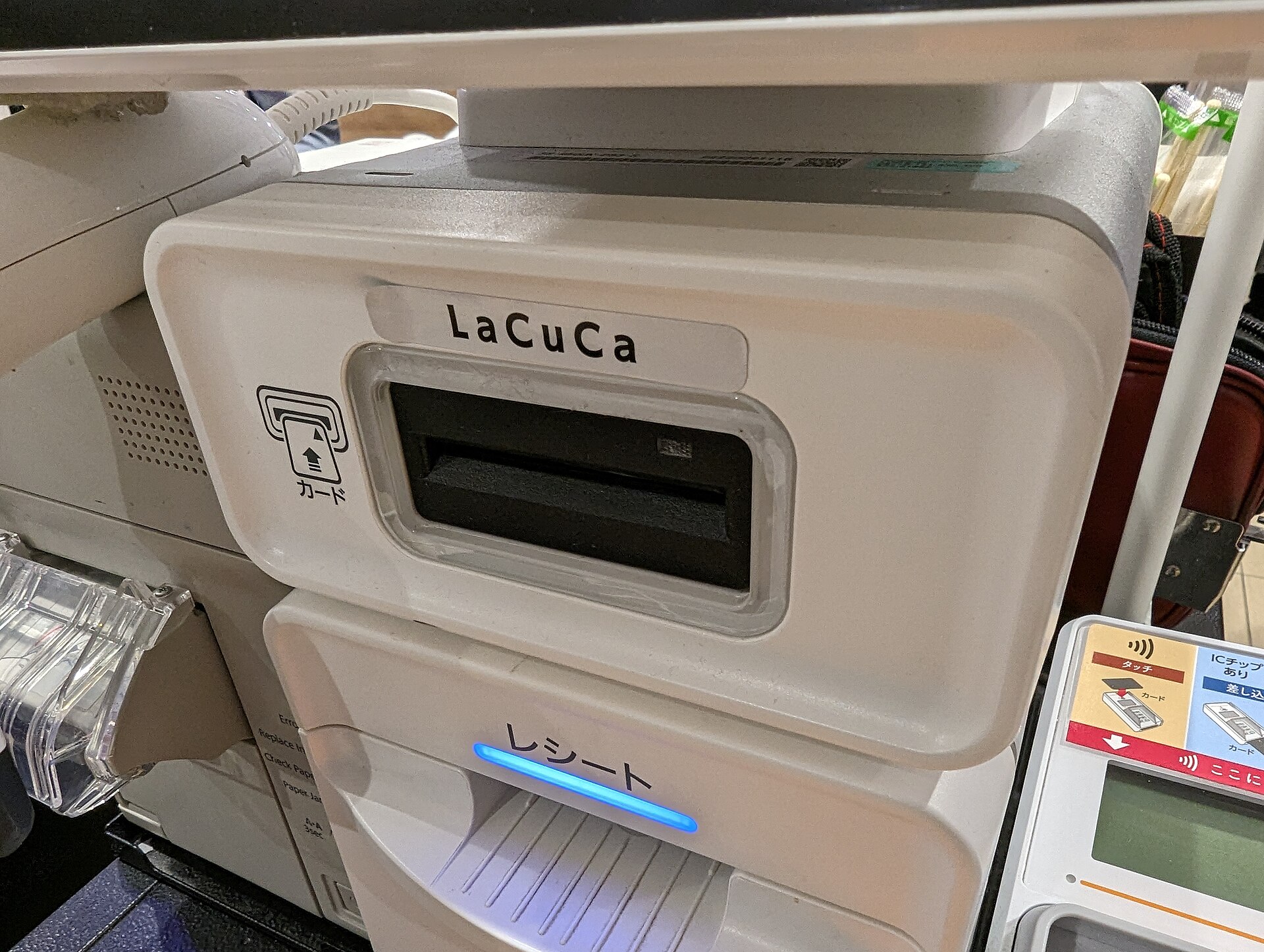
Walking into a pizza shop to pick up an order, you are often met with a credit card terminal that prompts for a tip. The screen offers percentages, creating a moment of hesitation. It feels strange to add gratuity to a transaction where the staff member simply handed over a box. Yet, selecting “no tip” can feel socially awkward, even if the service was minimal.
The Economics of Service Knowledge
The difference between tipping a server and paying a cashier often comes down to information asymmetry. In traditional dining, a customer knows if the service was fast or attentive, information the restaurant owner might not see in real time. This knowledge gives the customer a role in judging the quality of work. A tip acts as a direct rating of that performance.
This dynamic extends to other services like taxis or haircuts. A cab company knows the distance traveled, but the passenger knows how safely the driver navigated traffic. A salon owner knows how many clients were served, but not necessarily how well they were treated. In these cases, the customer possesses unique data about the service quality, justifying the tip as a feedback mechanism.
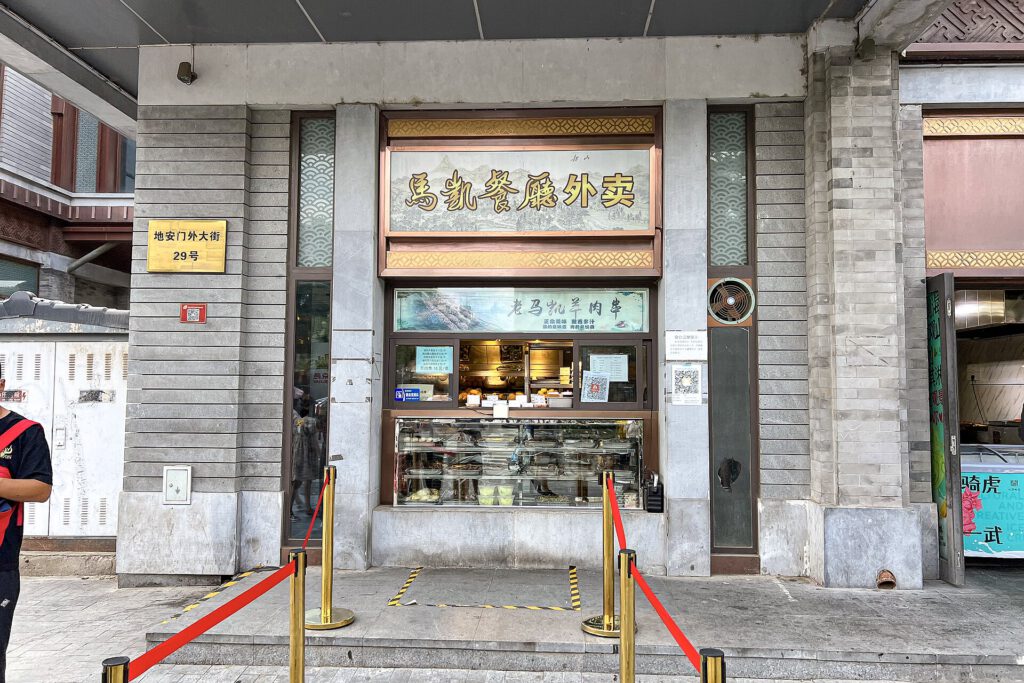
However, this logic breaks down in many modern retail settings. Fast food cashiers follow scripted interactions monitored by management. Bus drivers operate on fixed routes where passenger behavior rarely impacts the core service. In these instances, the customer knows little that the employer does not. There is no hidden information to reward or penalize, making the economic case for tipping weak.
Takeout as a Price Mechanism
When a takeout restaurant asks for a tip, it is not necessarily trying to avoid paying fair wages. The structure of employee compensation suggests otherwise. Workers decide whether to accept or keep a job based on their total expected income, regardless of whether that money comes from a base salary or tips. If tips are removed, employers typically raise base wages to remain competitive.
If tipping were banned tomorrow, base pay for service workers would likely rise, and menu prices would increase to cover the difference. The cost of labor does not disappear; it is simply shifted from the customer’s discretionary choice to a fixed line item on the bill. A takeout place asking for a tip is likely using that prompt to raise prices in a way that feels less painful to the consumer.
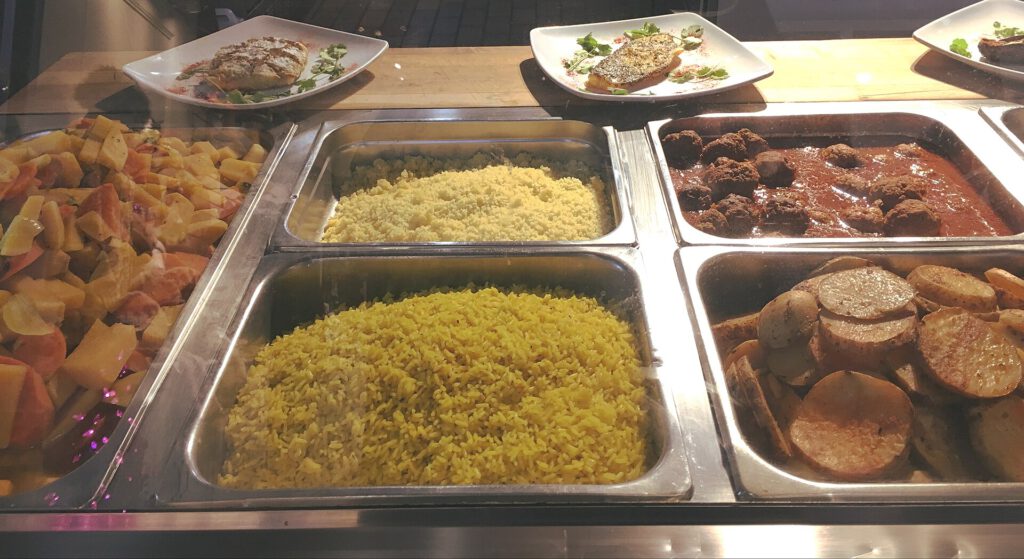
Customers tend to focus on the menu price when deciding what to buy. They do not factor in a potential tip until the end of the transaction. By inviting a tip at the checkout, the business can increase the total cost of the order without raising the listed price of the food. The customer perceives this as a change in social norms rather than a direct price hike.
Entrenched Norms and Consumer Choice
The timing of the tip request can also be problematic. When a terminal asks for a tip before the service is fully rendered, it removes the ability to rate the quality of the work. Instead, the tip becomes a vote on the practice itself. Leaving a tip accepts the arrangement and encourages its continuation. Declining it signals opposition to using tips in that context.
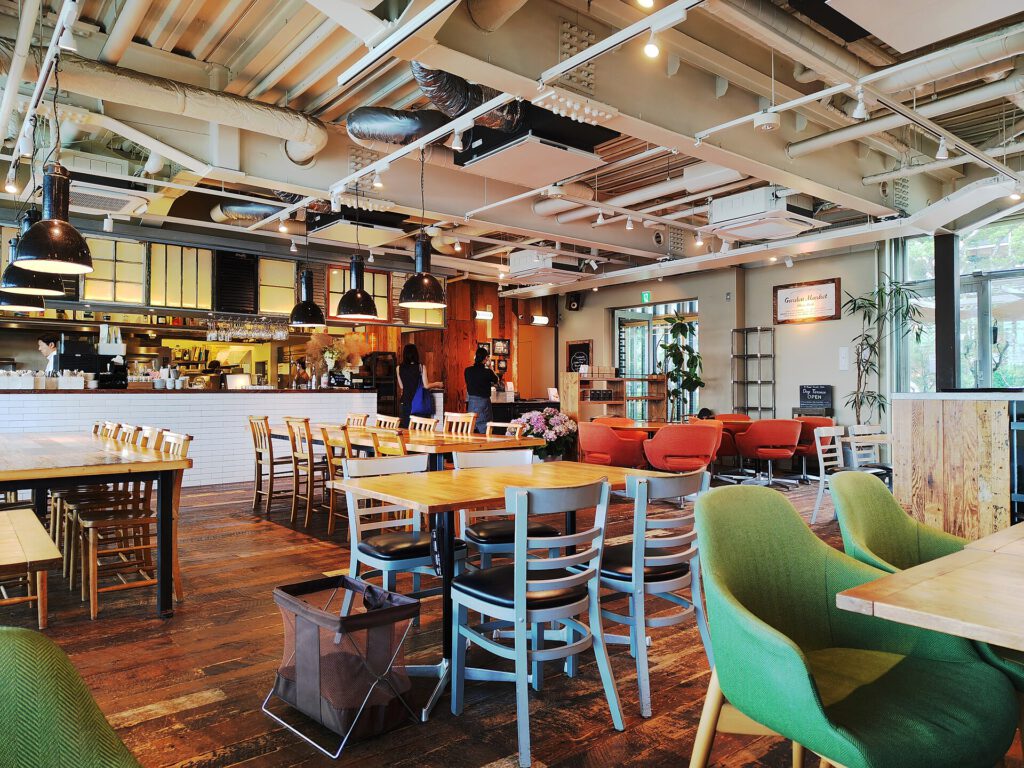
Once a tipping norm becomes entrenched, the obligation shifts from economic logic to social contract. The business has set the rules of the transaction. Customers can choose to dine elsewhere if they disagree with the model, but once they participate, they are expected to follow the established norms. The tip is part of the bargain, not an optional extra.
Ward Farnsworth, a professor at the University of Texas School of Law, and Saul Levmore, a professor at the University of Chicago Law School, explore these puzzles in their new book, “Should You Tip for Takeout? Solving the Puzzles of Everyday Life.” They argue that while tipping for takeout may not make sense in theory, it is a reality that consumers must navigate. The best approach is to recognize the norm for what it is: a price mechanism that has become socially accepted.
Source: The Guardian
