


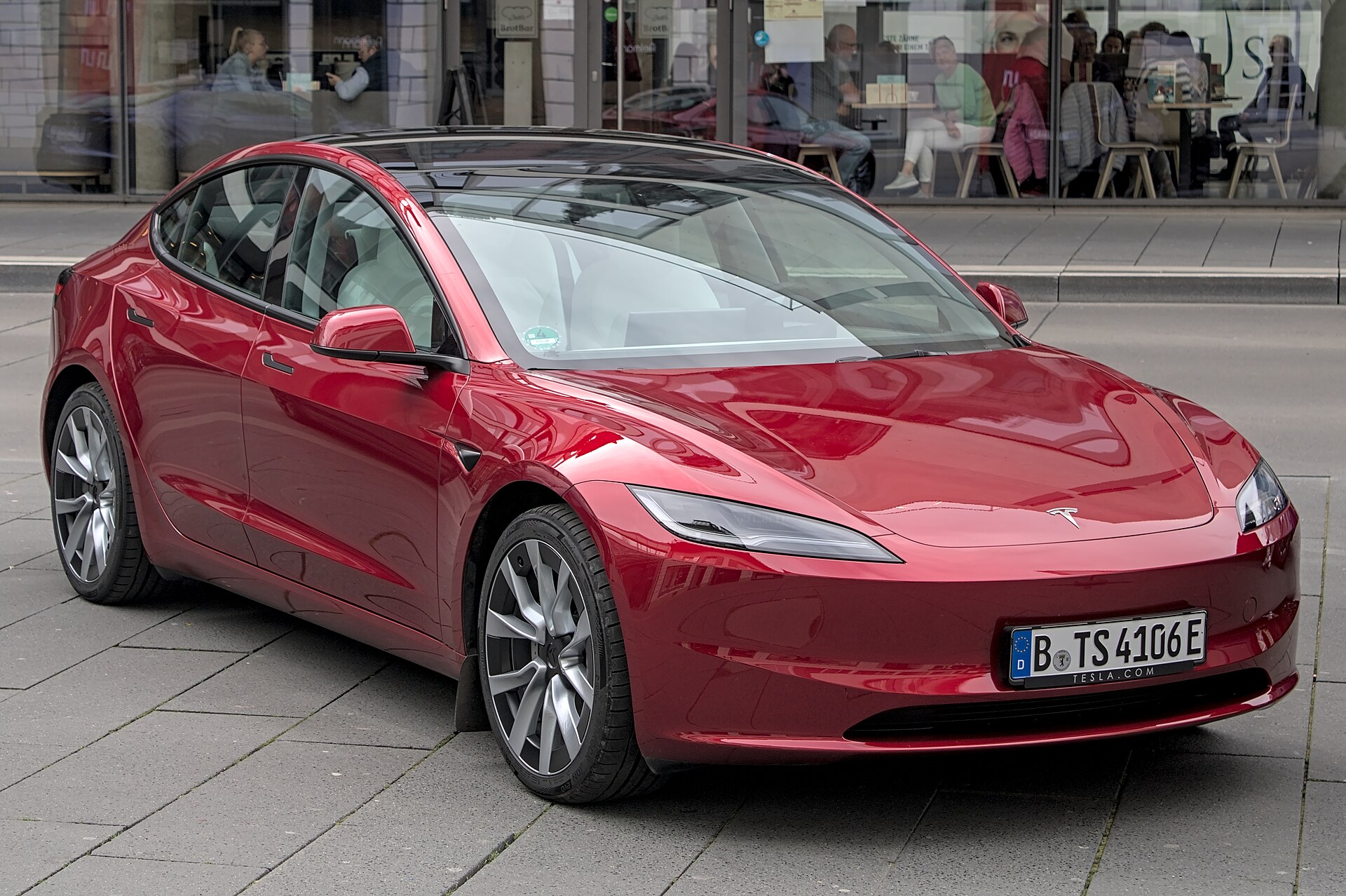
Tesla is expanding its Powershare Home Backup feature to the Model 3 and Model Y, allowing owners to use their electric vehicle battery to keep their homes powered during outages. The update brings a capability previously exclusive to the Cybertruck to Tesla’s more common sedan and crossover models.
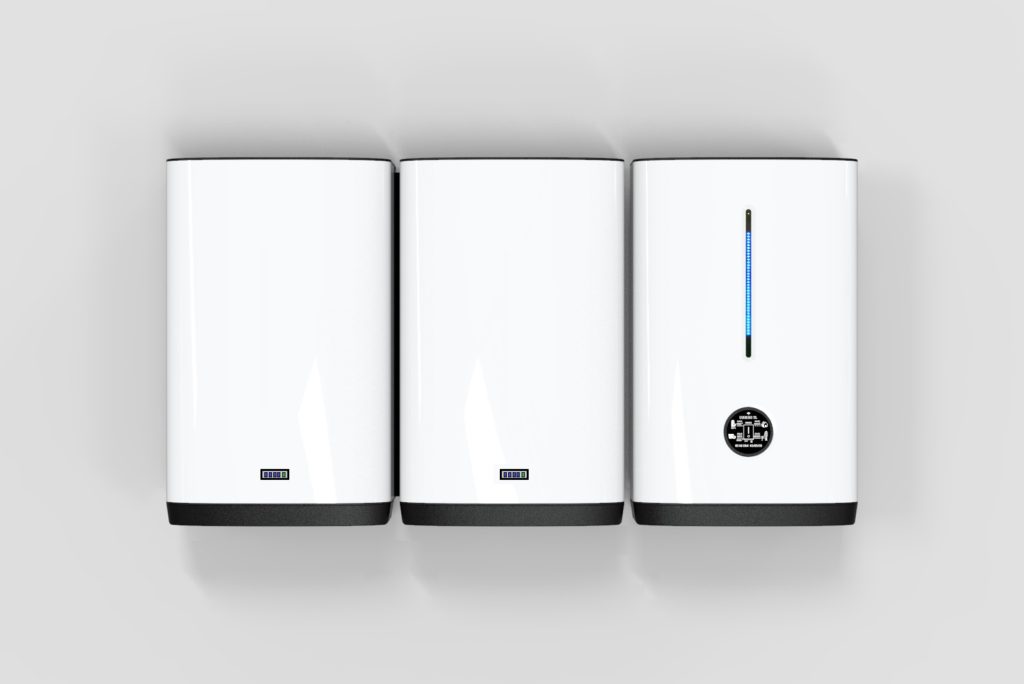
According to the company, the feature allows Model 3 and Model Y owners to extend home backup power to over two days for Premium and Performance variants. This duration is slightly shorter than the over three days Tesla claims the Cybertruck can provide. The system requires the vehicle to be paired with Tesla’s Powerwall 3 home battery to function effectively.
Tesla Powershare Home Backup Eligibility
Tesla is only guaranteeing that the Home Backup feature will work on Model 3 and Model Y vehicles ordered from October 1 onward. This restriction exists because older models may not include the PCS2 Lite inverter required to make the bidirectional charging system work. Owners of earlier vehicles may find their cars incompatible with the new software update.
Support for the older Powerwall 2 and Powerwall Plus is coming soon, according to Tesla. The company has not provided a specific timeline for when these legacy home batteries will be supported. Until then, users must have the latest Powerwall 3 installed to utilize the vehicle-to-home power feature.
The feature is currently available only in the United States and Puerto Rico. It is not offered in Canada, nor is it available for the larger Model S or Model X vehicles. Tesla’s Powershare Grid Support feature, which allows vehicles to feed power back into the electrical grid, remains exclusive to the Cybertruck.
Competitive Landscape for EV Home Backup
Tesla is not the only automaker offering vehicle-to-home power. Companies like Kia and General Motors also provide bidirectional charging capabilities on their electric vehicles. Nissan introduced power-to-grid charging with the Leaf several years ago, establishing an early precedent for using EVs as mobile energy storage units.
The expansion of Powershare Home Backup to the Model 3 and Model Y represents a significant step in integrating electric vehicles into home energy management systems. As more homeowners face power outages, the ability to use an EV as a backup power source becomes increasingly attractive. Tesla’s move to include this feature in its most popular models could accelerate the adoption of vehicle-to-home technology.
Tesla continues to refine its energy ecosystem by connecting its vehicles, home batteries, and solar products. The company’s focus on bidirectional charging highlights its strategy to position electric vehicles as central components of residential energy resilience. Owners who upgrade to compatible models can now rely on their cars to keep essential appliances running during extended power failures.
Source: The Verge
