


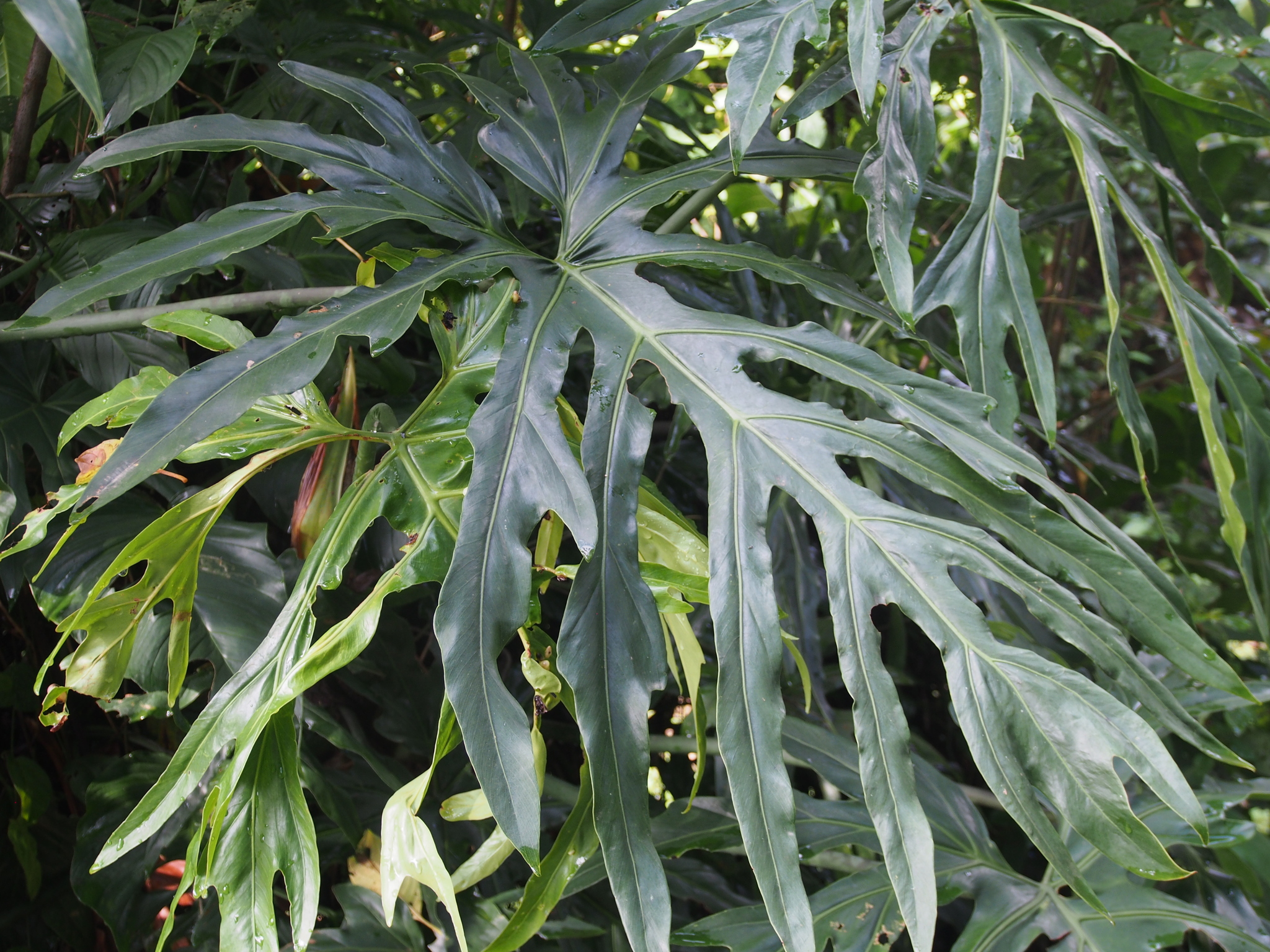
Houseplant owners frequently face the frustration of crispy, brown leaf tips. While these discolored edges do not kill the plant, they detract from its aesthetic appeal. Many gardeners wonder if trimming these dead sections causes further damage or if the plant will react negatively to the cut.
The short answer is that removing dead tissue is safe. However, the method matters. Cutting into the healthy green part of the leaf creates a fresh wound. The plant must then seal off this new injury, which often causes the area to turn brown again. The goal is to improve the look of the plant without triggering a new cycle of damage.
How to Trim Without Causing Harm
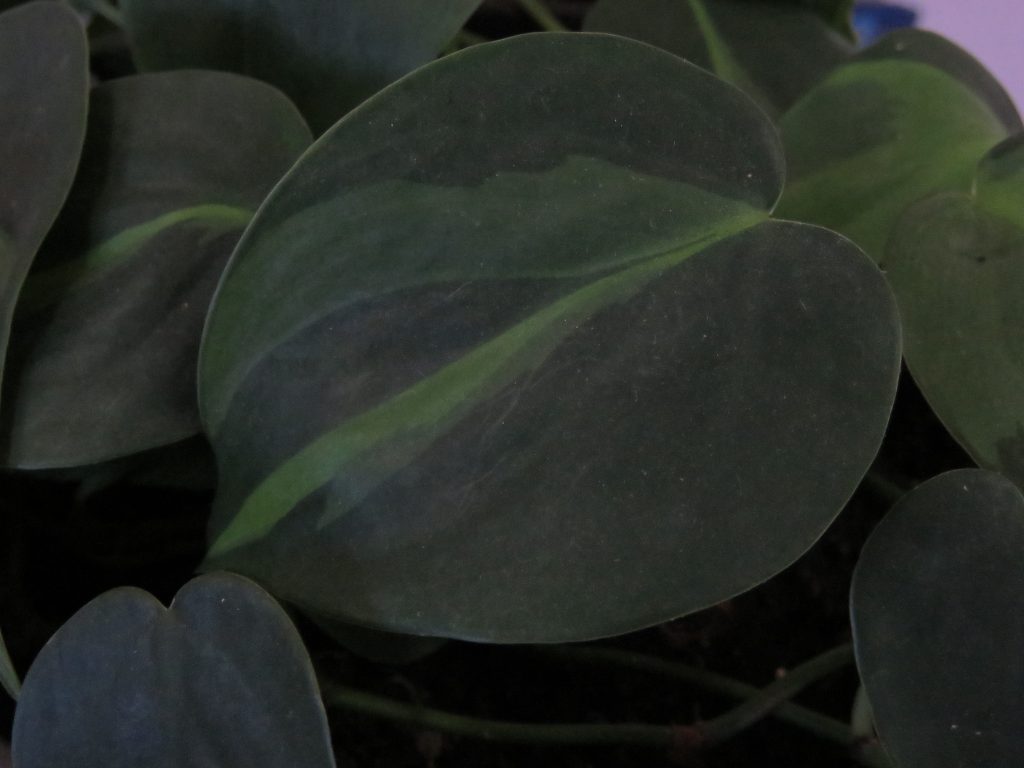
The process requires clean, sharp scissors. The key is to follow the natural shape of the leaf. You should leave a thin sliver of the brown edge rather than cutting deep into the healthy green tissue. This preserves the living part of the leaf while removing the unsightly dead material.
Testing this method on a philodendron shows immediate results. When the brown tips are trimmed along the leaf’s contour, the plant looks neater right away. Over time, the cut edges do not continue to brown, provided the cut stays within the dead tissue.
Conversely, cutting back into the green part of the leaf has negative consequences. In past attempts where the cut went too far, a new brown edge formed within days. This happens because the plant treats the fresh cut as an injury that needs to be sealed, leading to further browning.
Addressing the Root Cause
While trimming fixes the appearance, it does not solve the underlying problem. Brown leaf tips are a symptom of stress. The most common causes are inconsistent watering, low humidity, or a buildup of minerals from tap water or excessive fertilizer use.
If the tips keep browning after trimming, the issue lies in the care routine, not the scissors. Adapting your watering schedule or adjusting the plant’s environment is the real fix. Trimming is merely a cosmetic solution to a care issue.
Source: The Guardian
