


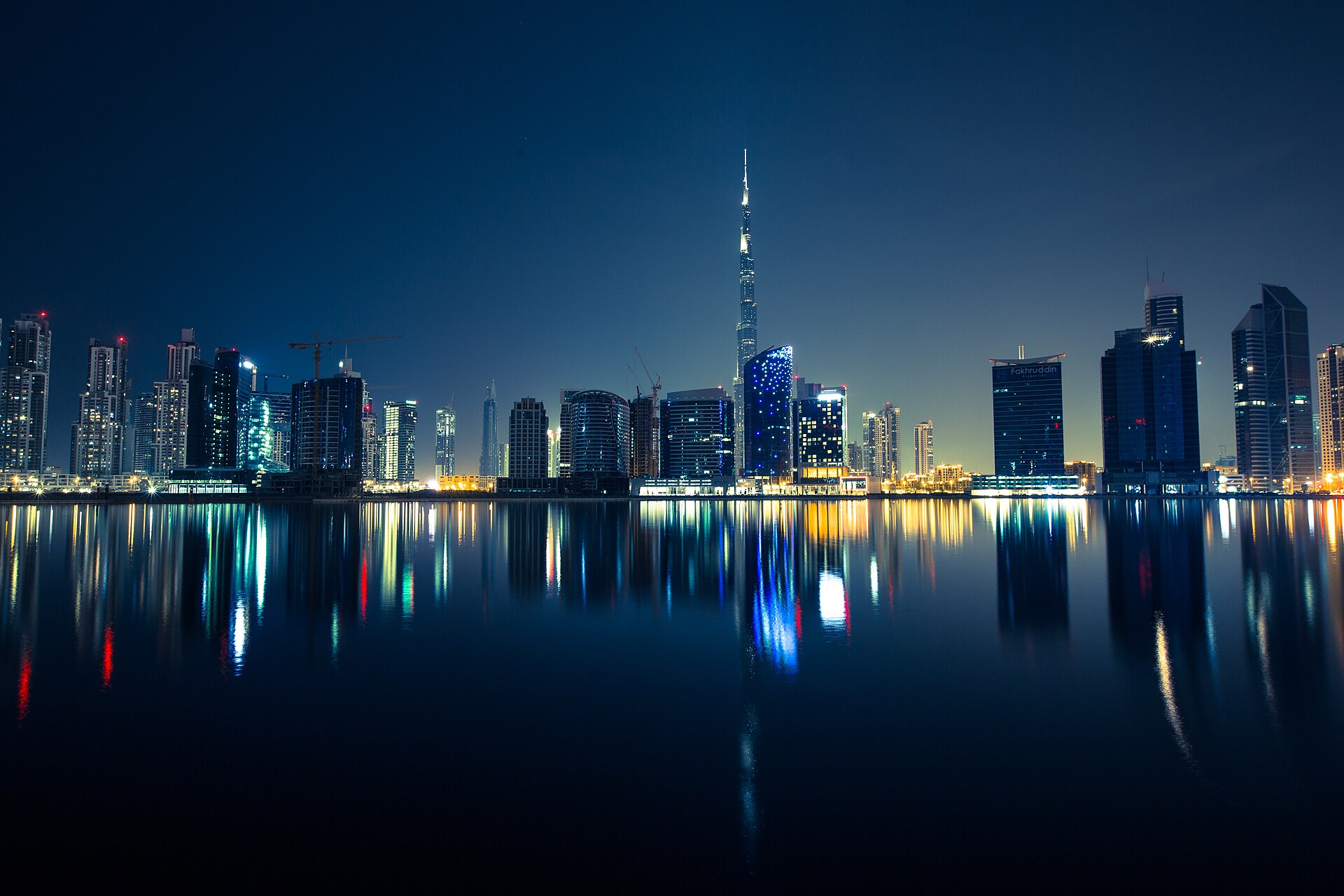
Hotel operators in the United Arab Emirates are shifting their focus to short-haul source markets to stabilize revenue following a period of significant disruption. The industry is relying heavily on travelers from India, China, Russia, and neighboring Gulf states to rebuild demand after the U.S.-Iran war and subsequent flight disruptions in March.
Dubai’s international visitor numbers dropped by 44% to 6.97 million in the first eight months of 2026, according to the Dubai Department of Economy and Tourism. This sharp decline reflects the broader challenge facing the region, where higher airfares continue to deter guests from distant markets such as the Americas and Australia.
Short-Haul Markets Drive Demand
Saurabh Tiwari, vice president for the Middle East, Maldives, and Sri Lanka at IHCL, which operates the Taj brand, stated that the company is targeting markets within a five- to six-hour flight radius. He noted that elevated jet fuel prices make it difficult to attract long-haul guests, describing efforts to draw visitors from distant regions as “wishful thinking.”
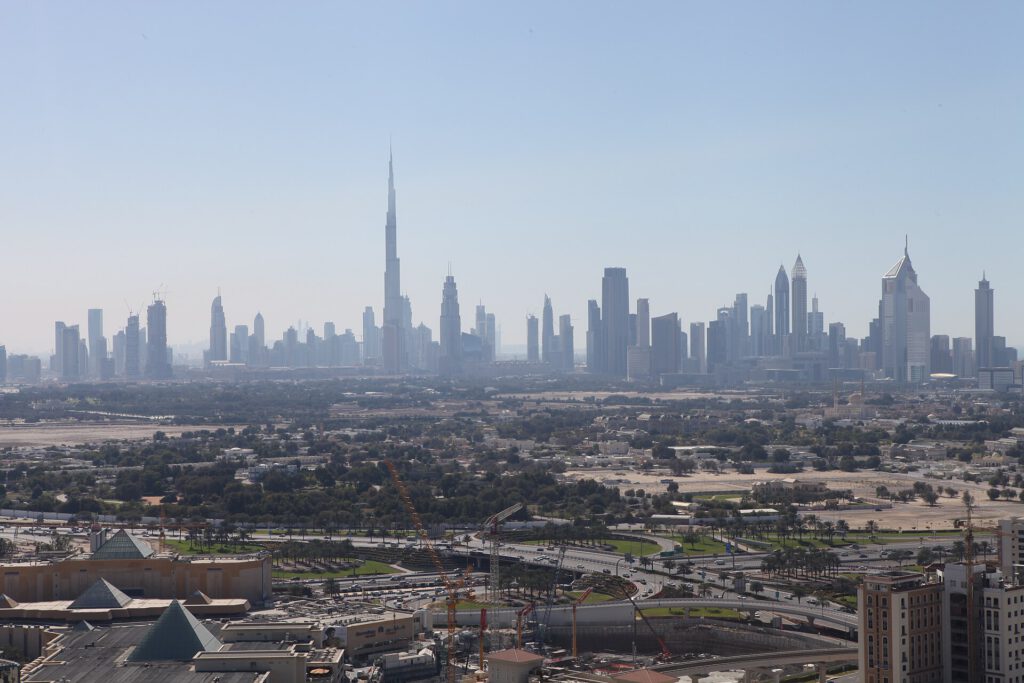
India has emerged as the most reliable source market for IHCL during this crisis. Tiwari highlighted that accessibility and lower flight costs compared to long-haul destinations have kept Indian travelers coming. This shift is critical for luxury hotels that previously depended on high-spending international guests from Europe and North America.
While luxury and upper-upscale properties recorded the steepest declines in occupancy, midscale hotels have held up better. According to consultancy Cavendish Maxwell, these properties benefited from a broader mix of domestic, regional, and corporate demand. The disparity highlights how the crisis has reshaped the visitor profile across different hotel tiers in the UAE.
Discounting and Long Stays Bridge the Gap
To manage the drop in short-term bookings, operators have turned to discounting and extended stays. Majestic Hotels reported that long stays now account for 25% to 30% of its business. The company expects fourth-quarter rates to be 15% to 20% below last year’s levels as it adjusts to the new market reality.
IHCL also implemented significant price cuts, reducing rates by up to 40% at the peak of the crisis. The company does not anticipate business returning to 2025 levels until the fourth quarter of 2027. This timeline underscores the prolonged nature of the recovery and the structural changes in travel patterns.
Short-term rental operators report a more balanced guest mix, pointing to European winter schedules and December events as potential stabilizers. However, data from AirDNA shows that booked nights for November were down 36%. The outlook improves slightly for the end of the year, with declines narrowing to 8% in December and 6% in January.
UAE hotel occupancy ran at 67.6% in September, a drop of 12.3 percentage points year over year, per CoStar. The data confirms that while the industry is adapting, the full impact of the reduced long-haul traffic continues to weigh on overall performance.
Source: Skift
