


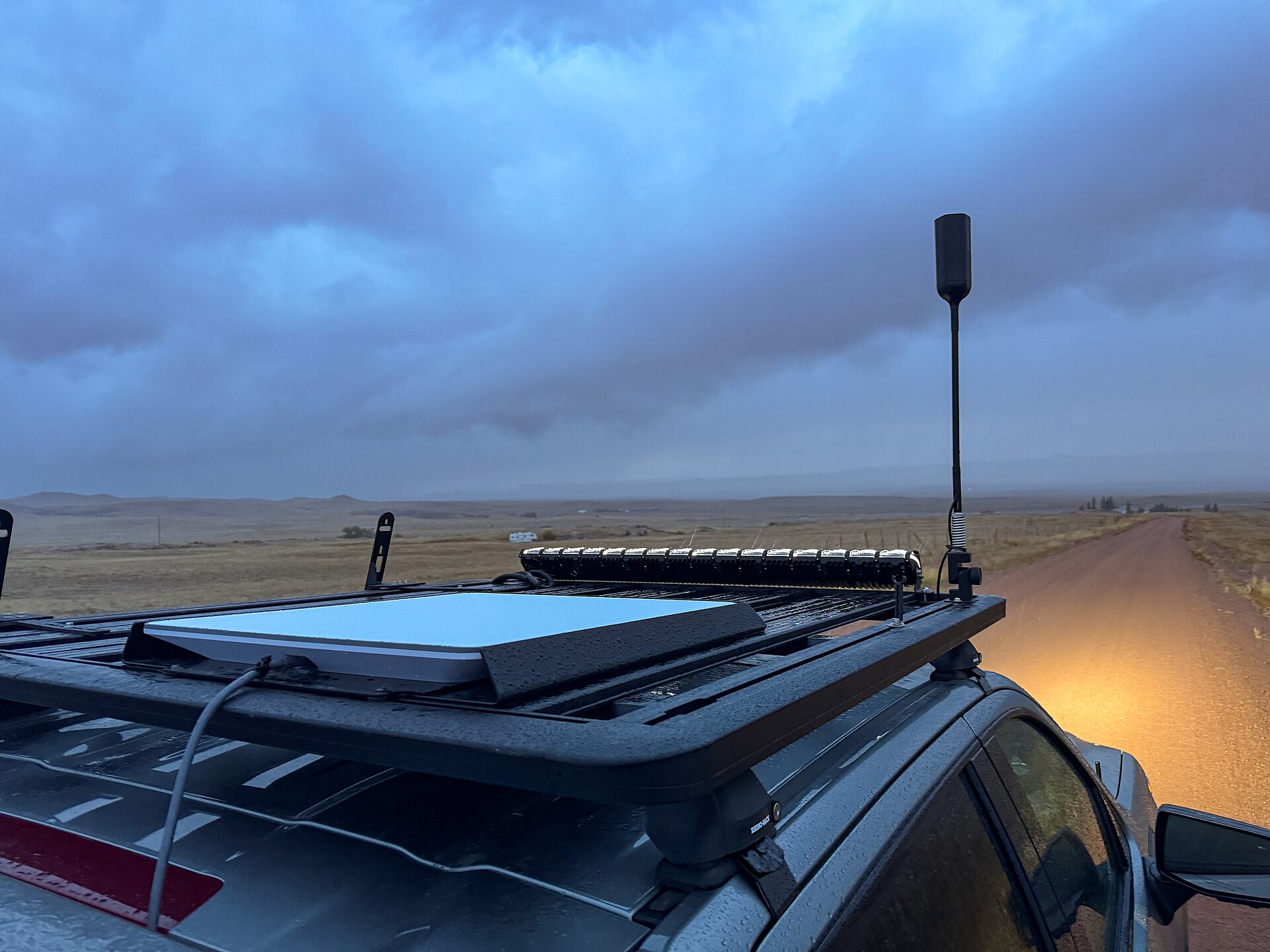
Ukraine’s defence minister confirmed on Saturday that the Ukraine Starlink connection has returned to a stable state following a period of restricted connectivity that disrupted military operations. Yevhenii Khmara stated that speeds exceeding 400km/h are now possible on the network, a significant improvement from the limits imposed earlier in the week.
The restoration of full capability comes after Kyiv accused US President Donald Trump of instructing SpaceX owner Elon Musk to restrict the satellite internet service. The restrictions reportedly capped speeds at 161km/h, a threshold that caused drones to lose connection when traveling at higher velocities. Trump initially denied issuing such an order before later stating that Musk had reversed the decision.
Restoration of Military Drone Capabilities
Kmara emphasized the critical nature of the network for frontline operations. He noted that the result is vital for soldiers, drone functionality, logistics, and general communications. The Ukrainian military relies heavily on the constellation of 10,000 low Earth orbit satellites for operations in remote battlefield areas where traditional infrastructure is often damaged or nonexistent.
The network supports both the civilian Starlink service and Starshield, a more secure military-grade variant. Musk had previously suggested that the Pentagon might be responsible for the recent technical issues, adding complexity to the diplomatic situation. Russia is not authorized to use the service, which means connectivity is intentionally blocked when Ukrainian drones cross into Russian territory to strike targets such as oil refineries.
Diplomatic Tensions and Strategic Strikes
The connectivity dispute emerged during a broader diplomatic row between Trump and Ukrainian President Volodymyr Zelensky. The conflict centers on Ukrainian strikes against Russian oil infrastructure, which Kyiv argues are essential for cutting off revenue streams funding the war. Trump has criticized these attacks, claiming they have driven up global fuel prices, although analysts note that recent price increases are primarily linked to the war in Iran.
Zelensky reported that the US had also threatened to withdraw intelligence sharing if the strikes on Russian oil facilities did not cease. Trump denied this allegation. The tension occurs as Trump faces midterm elections next month and has taken steps to waive certain sanctions on Russia, including an agreement to import Russian diesel into the US market. This move has drawn criticism from Ukraine and its European allies.
Meanwhile, the conflict continues to inflict damage on both sides. Russian authorities reported power cuts in the annexed region of Crimea following a Ukrainian drone attack. Moscow-backed officials stated that restrictions on electricity and water were implemented in the area. In a separate incident, Russian-backed authorities in Kharkiv reported that at least three people were killed and another wounded in a Ukrainian strike.
Source: BBC
