


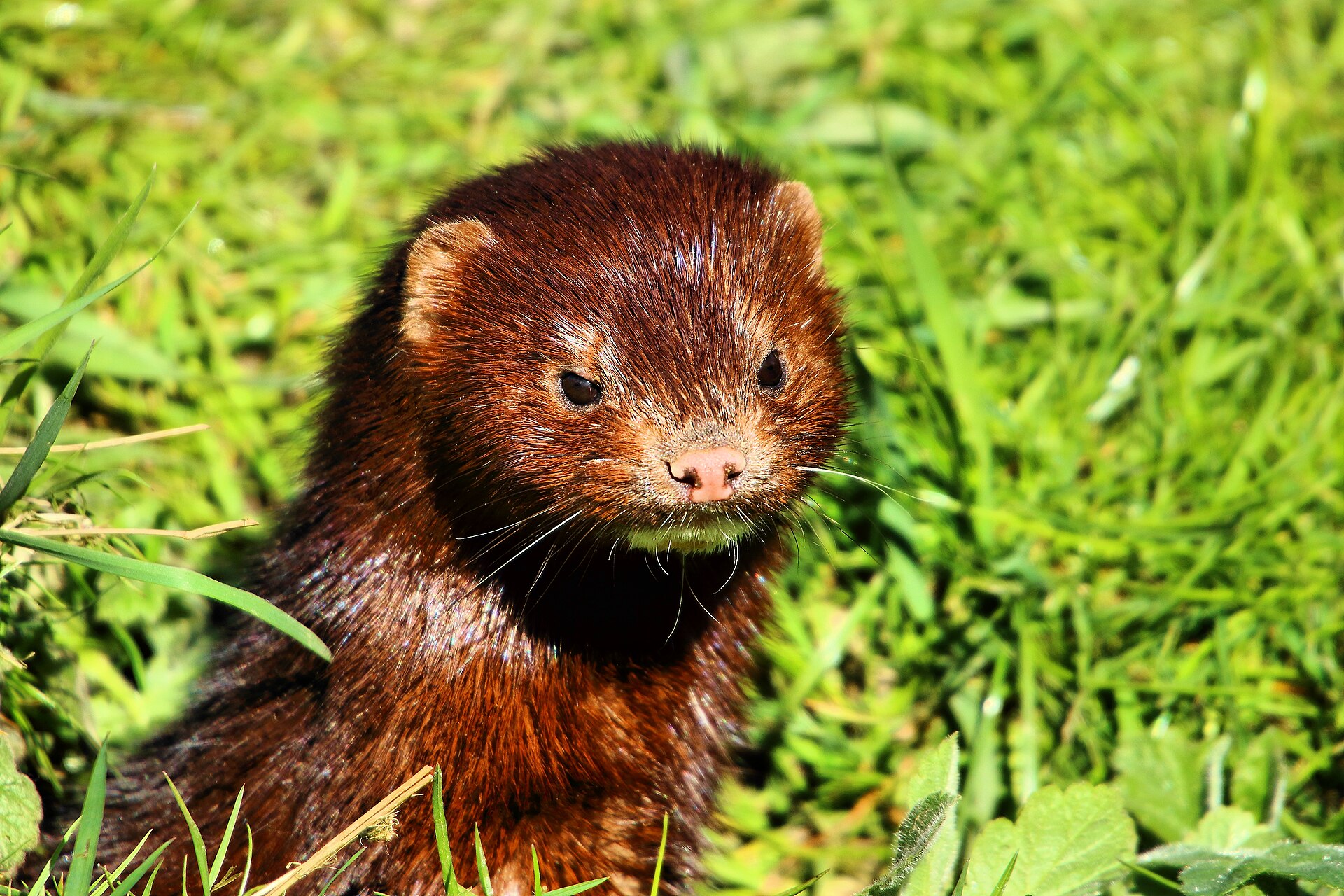
An outbreak of bird flu at a mink farm in Utah has triggered warnings from infectious disease experts regarding government transparency and pandemic preparedness. The situation has drawn scrutiny toward the Trump administration’s handling of zoonotic viruses, particularly after federal officials stated they lacked the authority to regulate mink farms or deploy approved vaccines for the animals.
Regulatory Gaps and Federal Response
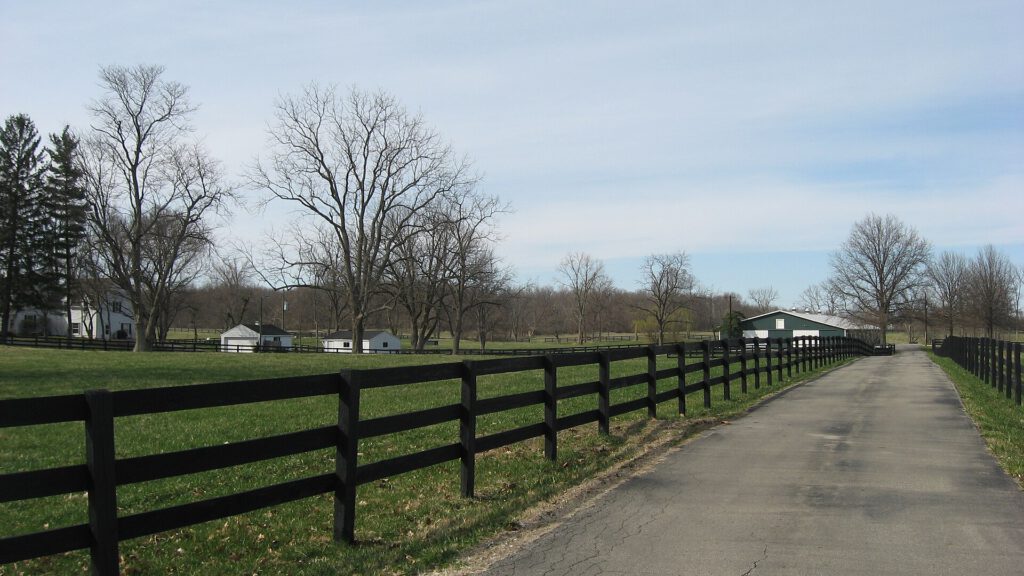
For two months, the virus has circulated at a facility located about an hour from Salt Lake City that raises thousands of mink for their fur. Amanda Price, a state veterinarian, managed the initial response and sought assistance from the US Department of Agriculture (USDA). According to messages obtained by ProPublica through public records requests, federal officials informed Price that the USDA does not regulate mink operations and has no vaccine approved for the species.
The CDC spoke with Utah health department staff but did not communicate directly with Price. Federal health agencies typically urge monitoring of farm workers for symptoms such as red eyes, which can indicate infection. ProPublica identified two workers at the farm, one of whom reported red eyes. Farm owner Chad Fenn attributed the symptom to dust and stated that the state health department did not recommend testing.

Expert Concerns on Transparency and Risk
Jennifer Nuzzo, director of the pandemic center at Brown University School of Public Health, emphasized that secrecy undermines public safety. “No animal or human will be protected from the toll of this virus through secrecy,” Nuzzo said. She noted that while the risk to the general public remains low, workers with direct exposure to sick animals face the highest danger.
Nuzzo expressed concern that the federal government is conducting less monitoring of farms for potential viruses compared to previous administrations. She highlighted that regular calls between federal officials and disease experts, which previously allowed for scrutiny of response strategies, have ceased. This lack of communication, she argued, means actions may not receive adequate oversight.
Tom Peacock, an avian influenza researcher at the Pirbright Institute, described the failure to cull the mink population as “very concerning.” In other countries, governments have ordered the destruction of infected mink herds to stop the spread. A fur trade representative in Utah reportedly told Price that culling the animals at C&T Fenn Farms would destroy the business and the local industry.
Historical Context and Future Risks
This incident mirrors a previous outbreak during the COVID-19 pandemic, when nearly 10,000 mink in Utah died from the coronavirus. Mink are highly susceptible to viruses that also infect humans, creating a potential pathway for new strains to emerge. Nuzzo warned that the virus could combine with seasonal influenza, a risk that increases during flu season.
While Nuzzo stated she sees no current signals of widespread virus spread, she emphasized the potential for preventable harm to farm workers. The scenario she fears involves exposed workers falling ill or dying, a tragedy she believes could be mitigated through protective measures like vaccination. The USDA did not immediately respond to requests for comment regarding the ongoing situation.
Source: The Guardian
