


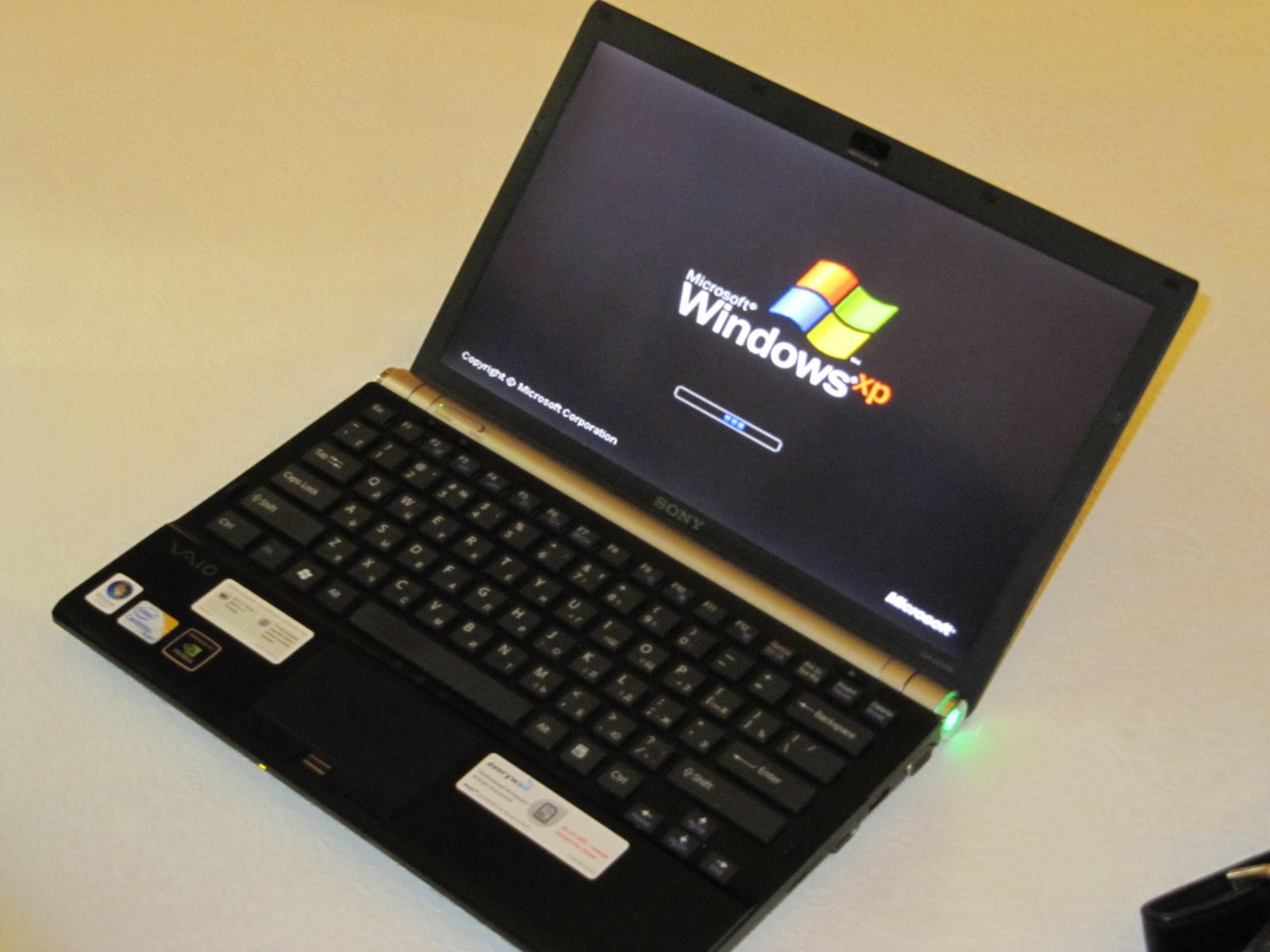
Windows XP became available at retail stores on this day in 2001, marking the 25th anniversary of one of Microsoft’s most enduring operating systems. The launch was accompanied by a lavish $500 million marketing campaign, described as the company’s biggest since Windows 95. The event aimed to introduce a new era for personal computing by removing the old MS-DOS underpinnings that had supported the Windows interface for decades.
The New York Launch and Post-9/11 Context
The centerpiece of the launch was a major event in New York City. Microsoft had originally planned to use the slogan “Prepare to Fly” for the campaign. However, the company changed the messaging to “Yes You Can” following the September 11 attacks. The mood of the launch was consequently muted compared to the original plans.
Despite the somber backdrop, the event proceeded with significant public figures. New York Mayor Rudy Giuliani joined Bill Gates on stage. Gates used the occasion to state that the launch was evidence that “New York is back and open for business.” The day also included a free concert in Bryant Park featuring the musician Sting and a takeover of Times Square. Retailers such as CompUSA, Circuit City, and Best Buy opened their doors at midnight to allow customers to purchase the new software.
Technical Shift to Windows NT Core
The most significant technical change in Windows XP was the shift to the Windows NT core. This replaced the older DOS-based architecture that had underpinned consumer versions of Windows up to Windows Me. Microsoft claimed that this new foundation improved reliability, performance, and security. The company also stated that the new user interface made tasks 25% easier to complete.
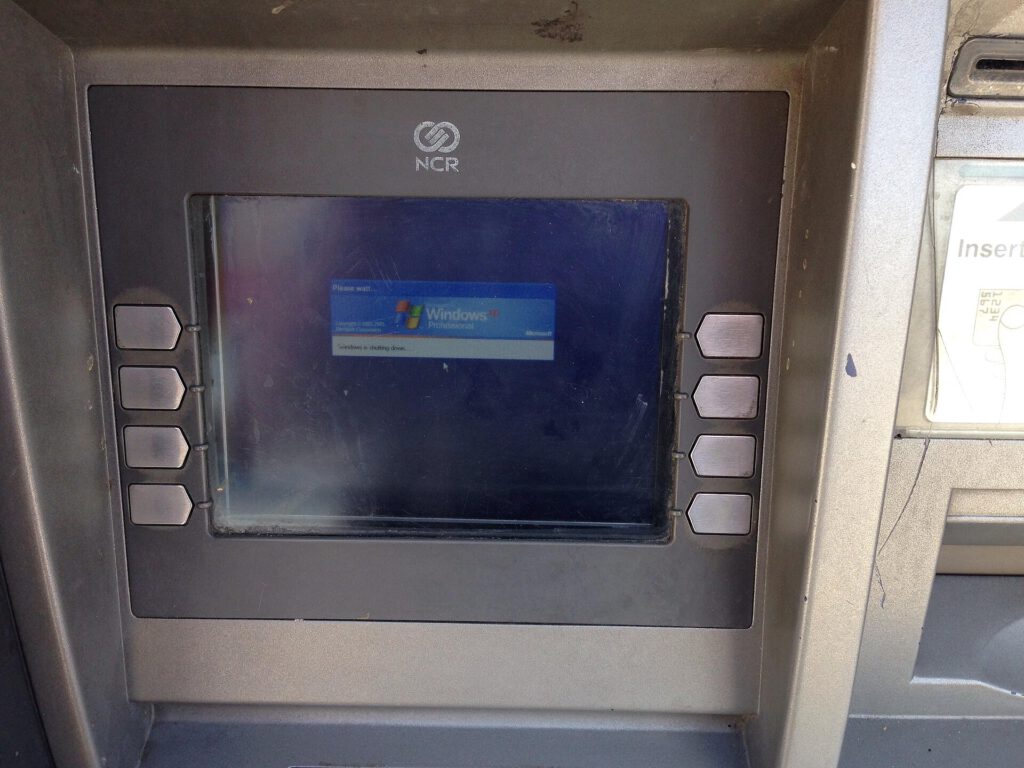
Key features introduced with the operating system included working USB plug-and-play support, built-in CD burning software, and ClearType support for new LCD monitors. These features addressed common frustrations with previous versions and supported the transition from bulky CRT displays to flat screens.
During its supported life, which lasted from October 2001 to April 2014, Windows XP received three major Service Pack releases. It also supported DirectX versions 8.1 through 9.0c, which were important for gaming. The operating system remained popular for nearly 13 years. This longevity was partly due to the poor reception of Windows Vista, which launched in January 2007. Many users and new-build systems skipped Vista entirely and moved directly to Windows 7, which arrived in October 2009.
Tom’s Hardware recently published a 40-year retrospective of Windows. That analysis identified Windows XP as the “Start Me Up” moment for the platform. The retrospective noted that the operating system’s lifespan was over two years longer than that of Windows 10. Windows 10 was famously launched as “the last version of Windows,” yet it did not match the extended support period of its predecessor.
Source: Tom’s Hardware
