


The U.S. Food and Drug Administration has expanded the approved use of Anktiva (nogapendekin alfa inbakicept-pmln) to include adults with high-grade papillary-only bladder cancer that has not spread into the muscle layer and has not responded to Bacillus Calmette-Guérin (BCG) treatment. This decision makes Anktiva the first FDA-approved therapy specifically for patients with this form of BCG-unresponsive disease.
Evidence from Carcinoma In Situ Supports Expansion
The agency based its decision on scientific similarities between high-grade papillary-only tumors and carcinoma in situ (CIS), another form of non-muscle invasive bladder cancer (NMIBC). Anktiva received an earlier approval for adults with CIS, with or without papillary tumors, based on a clinical trial involving 77 patients. In that study, 62 percent of participants achieved a complete response, meaning no high-grade cancer was detected during follow-up. Of those who responded, 58 percent maintained that result for at least 12 months, and 40 percent maintained it for 24 months or longer.
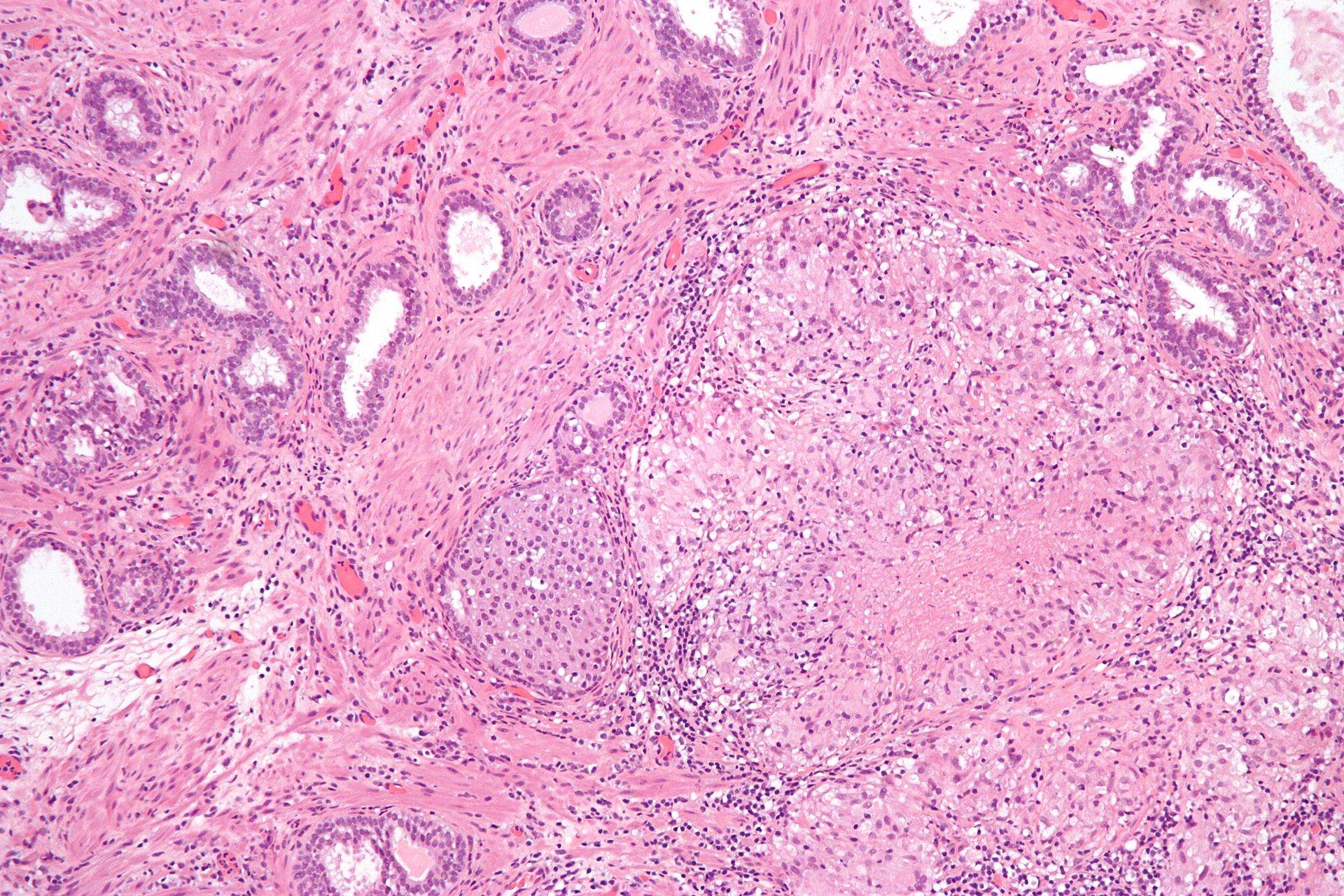
FDA reviewers noted that CIS and high-grade papillary tumors often occur together and can be difficult to distinguish under a microscope. Both conditions carry a high risk of returning or progressing when BCG treatment fails. The agency determined that the evidence supporting Anktiva’s effectiveness in CIS patients could reasonably apply to those with high-grade papillary-only disease.
“We listen to patients, clinicians, and researchers, and we act when the science supports a new approach,” said R. Angelo de Claro, M.D., Director of the FDA’s Oncology Center of Excellence. “For Anktiva, our review of the similarities between these cancers allowed us to build on the results in patients with CIS and expand treatment options for people with high-grade papillary tumors alone.”
New Guidance for Future Drug Development
This approval reflects a shift in how the FDA evaluates treatments for BCG-unresponsive NMIBC. The agency is working to finalize draft guidance titled “Bacillus Calmette-Guérin-Unresponsive Nonmuscle Invasive Bladder Cancer: Developing Drugs and Biological Products for Treatment.” This document will outline how developers can use evidence from studies in CIS patients to support approval for treatments targeting high-grade papillary-only disease.
Non-muscle invasive bladder cancer includes tumors that have not grown into the bladder’s muscle layer. Treatment for high-risk cases typically begins with BCG, which activates the immune system inside the bladder to fight cancer. When the cancer persists or returns despite BCG therapy, adding Anktiva provides another mechanism to stimulate the immune response. The drug is administered directly into the bladder via a catheter once a week for six weeks, with additional courses determined by the patient’s response. Treatment may continue for up to 37 months.
Prescribing information for Anktiva lists painful or frequent urination, blood in the urine, urinary tract infections, muscle or joint pain, chills, and fever as common side effects. Laboratory abnormalities may include increased levels of creatinine and potassium. The FDA warns that delaying surgery to remove all or part of the bladder can allow cancer to spread to other parts of the body, which can be fatal. The drug should be stopped if the cancer persists after a second six-week course, returns, progresses, or if side effects become unacceptable.
Source: U.S. FDA
