


Common urban plants often dismissed as weeds are proving to be the most valuable resources for pollinating insects in the United Kingdom. An eight-year study conducted by the UK Pollinator Monitoring Scheme has identified autumn-blooming ivy as the number one plant for attracting bees, butterflies, and other flying insects.
The research, which relies on data from citizen scientists, challenges conventional gardening advice that prioritizes cultivated blooms over native or wild species. The findings suggest that allowing certain “weeds” to grow in gardens and public spaces could play a critical role in supporting declining insect populations.
Ivy Leads Insect Visits in Eight-Year Study
Volunteers participating in the scheme recorded insect visits during standardized 10-minute surveys across various locations, predominantly gardens. The data collected since 2017 provides a detailed picture of which plants offer the richest sources of pollen and nectar.
Ivy emerged as the clear winner, averaging 22 visits by flying insects per 10-minute count. This high level of activity is driven by the plant’s late-season blooms, which provide essential food when other floral resources are scarce. Hogweed followed closely with an average of 20 visits, demonstrating the significant value of this often-maligned plant.
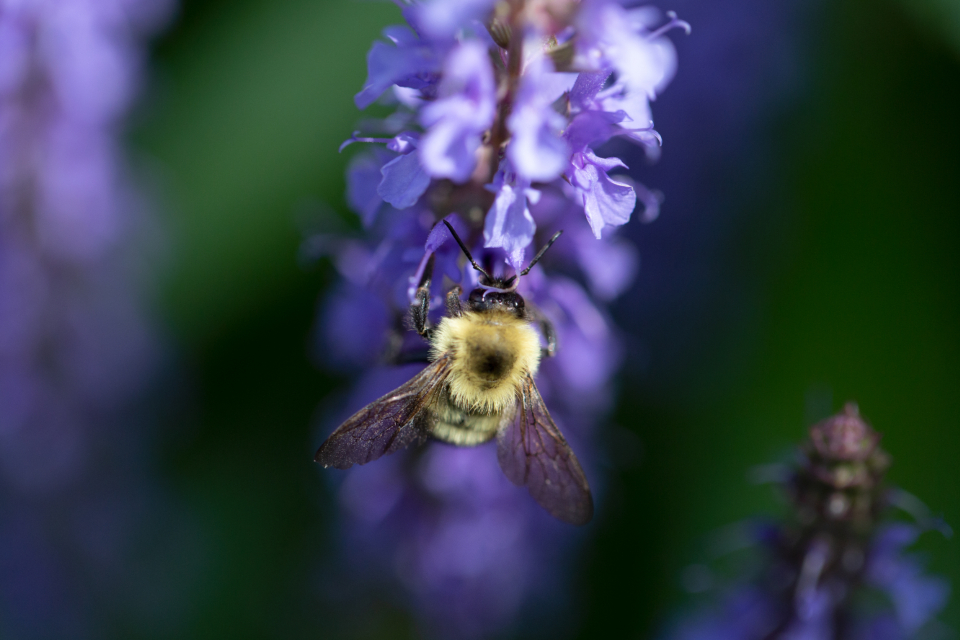
Other plants that performed well included bramble, knapweed, and thistle, each averaging 14 visits. Non-native buddleia, commonly known as the butterfly bush, also showed strong appeal, particularly for lepidopterans. The study noted that buddleia attracts four times as many butterflies and moths as other high-scoring flowers, making it a key resource for these specific groups.
Jo Milborrow, the butterfly monitoring officer for Butterfly Conservation, highlighted the dual benefits of ivy. She noted that the plant is already recommended for supporting breeding holly blue butterflies and providing nectar for comma and red admiral butterflies. The new data confirms that this easy-to-grow native species is also the top performer for general pollinator visits.
Hoverfly Decline Contrasts with Garden Refuges
While the plant data offers positive insights for gardeners, the broader insect population trends reveal a more complex picture. The survey, run by the UK Centre for Ecology & Hydrology (UKCEH) and the Joint Nature Conservation Committee (JNCC), found that hoverfly numbers have declined by approximately one-third in both abundance and species diversity across Britain over the past eight years.
Hoverflies are important pollinators and their larvae help control aphid populations in gardens. Their decline is a significant concern for ecosystem health. However, the study also identified areas where some insect groups are holding steady or increasing.
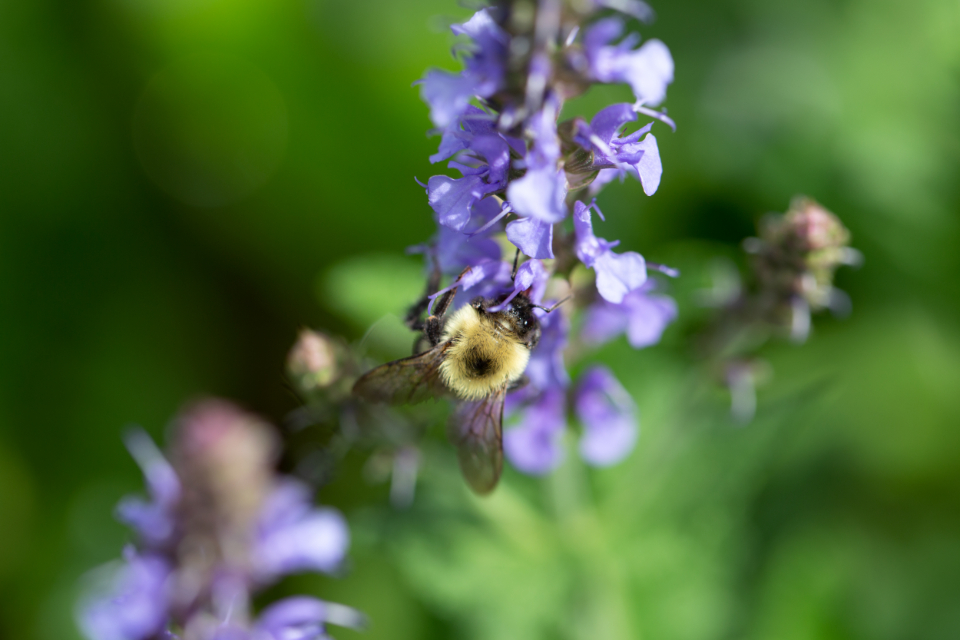
Solitary bees showed an increase in one of the surveys, and honeybees, beetles, and flies excluding hoverflies also saw population gains. These increases were observed in garden settings, suggesting that managed green spaces may be providing important refuges for certain pollinator species. The presence of diverse plant life, including the “weeds” identified in the study, likely contributes to this resilience.
Martin Harvey, a volunteer coordinator at UKCEH, emphasized the value of public participation in gathering this data. He noted that volunteers often express enjoyment in the process of counting pollinators and observing the interactions between insects and flowers. The scheme continues to seek participants to help monitor these trends in the coming year.
Volunteers can contribute counts via the Pollinator Monitoring Scheme website between April and September. The ongoing collection of this data is vital for understanding how plant choices in urban and rural areas impact the health of pollinator populations.
Source: The Guardian
