


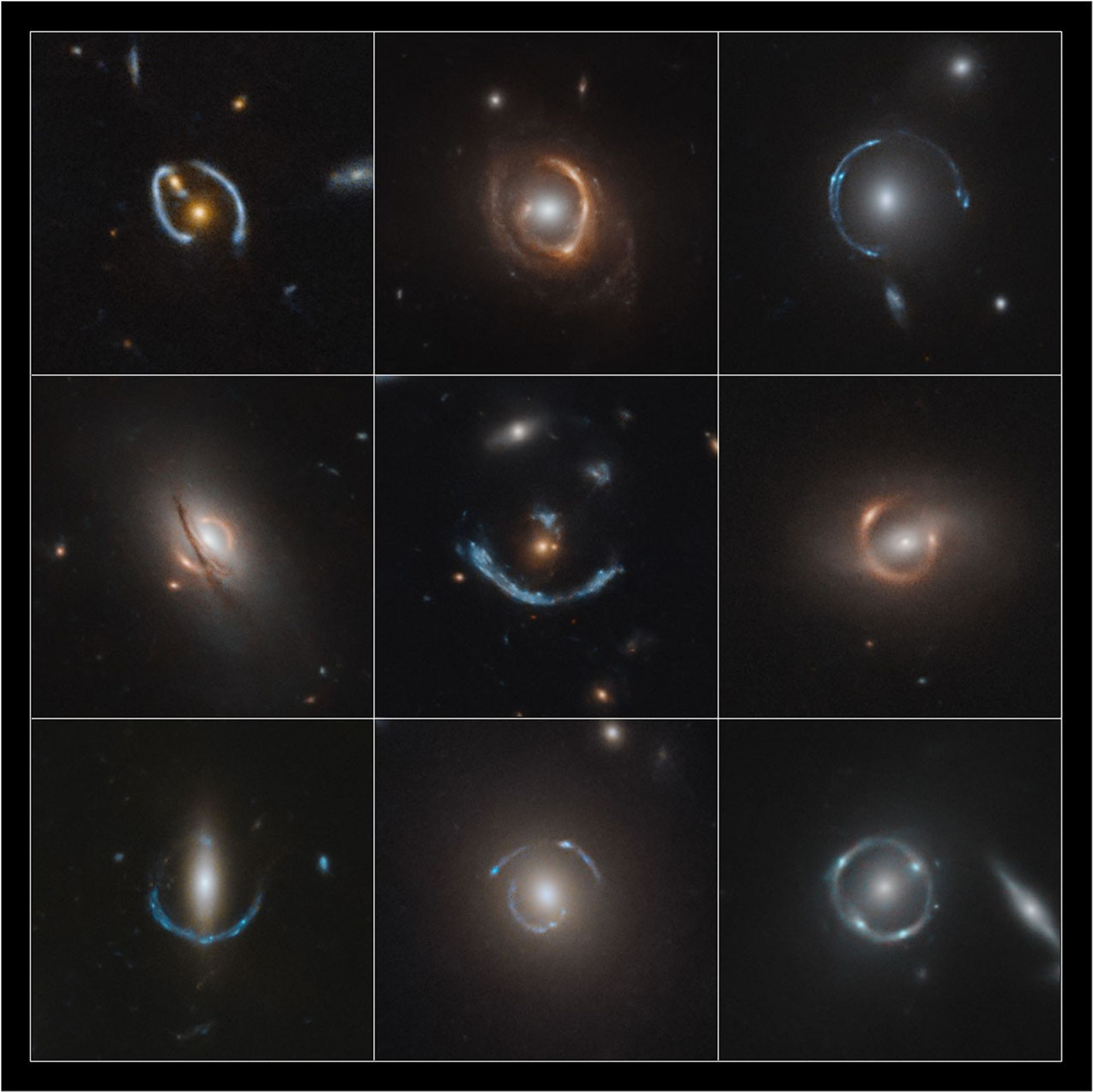
A new gallery of gravitational lenses captured by NASA’s Hubble Space Telescope provides a detailed look at cosmic phenomena that will guide follow-up observations by the Nancy Grace Roman Space Telescope. The images highlight the diversity of these lensing events and establish a baseline for future research into the nature of dark matter.
Gravitational lensing occurs when the gravity of a massive foreground object, such as a galaxy cluster, bends and magnifies light from a distant background source. This effect acts like a natural magnifying glass, allowing astronomers to see objects that would otherwise be too faint or small to detect. The Hubble images showcase various configurations of this phenomenon, including arcs, rings, and multiple duplicated images of the same galaxy.
Mapping Dark Matter Distribution
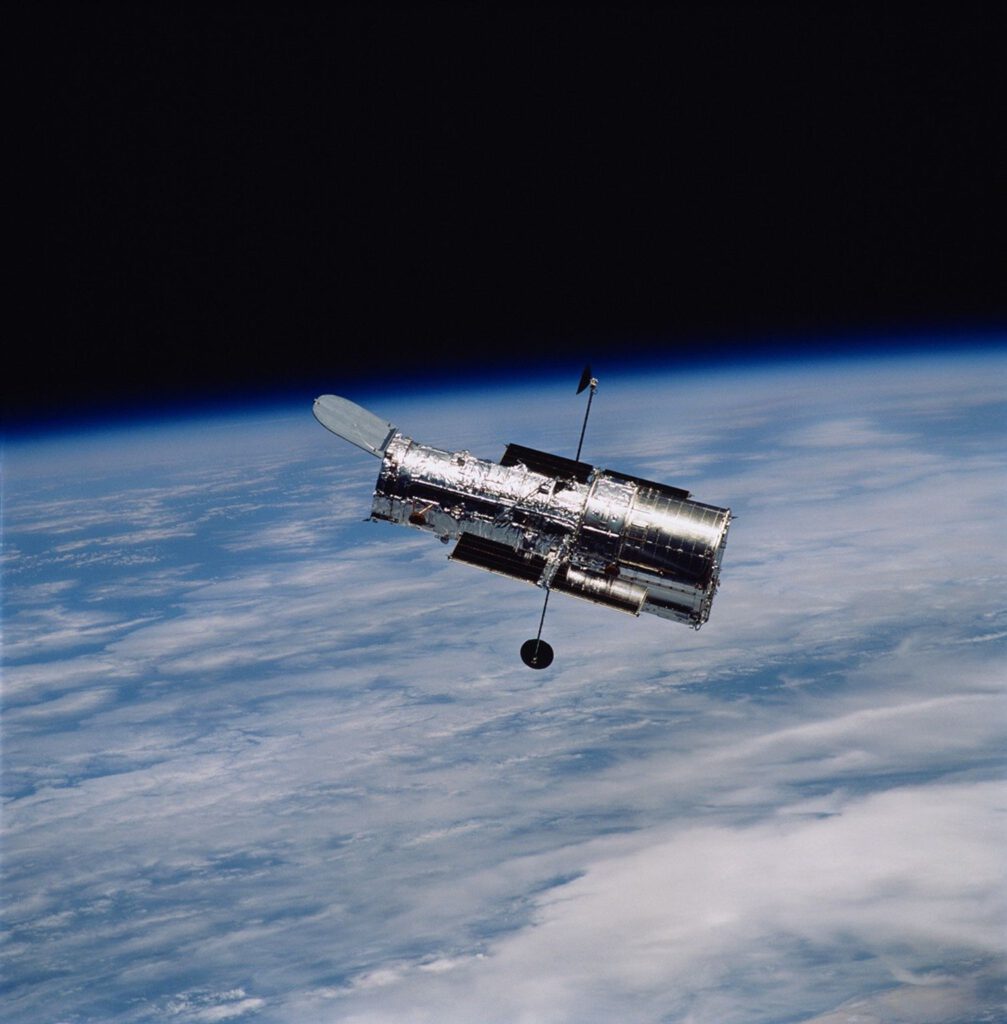
Astronomers plan to use these high-resolution Hubble images to construct precise lens models. These models will help determine the mass distribution within the foreground galaxies, including the invisible dark matter that makes up a significant portion of their mass. By analyzing the distortion of the lensed background galaxies, researchers can test the cold dark matter theory, which predicts the existence of small dark matter clumps.
The study of these small imperfections in the lensed arcs could confirm or dispel theories about the structure of dark matter. The Milky Way’s dark matter halo is estimated at 1.3 trillion solar masses, while the predicted clumps range from one million to one billion solar masses. Detecting these smaller structures requires the sharp, visible-light vision that Hubble provides.
Complementary Observations with Roman
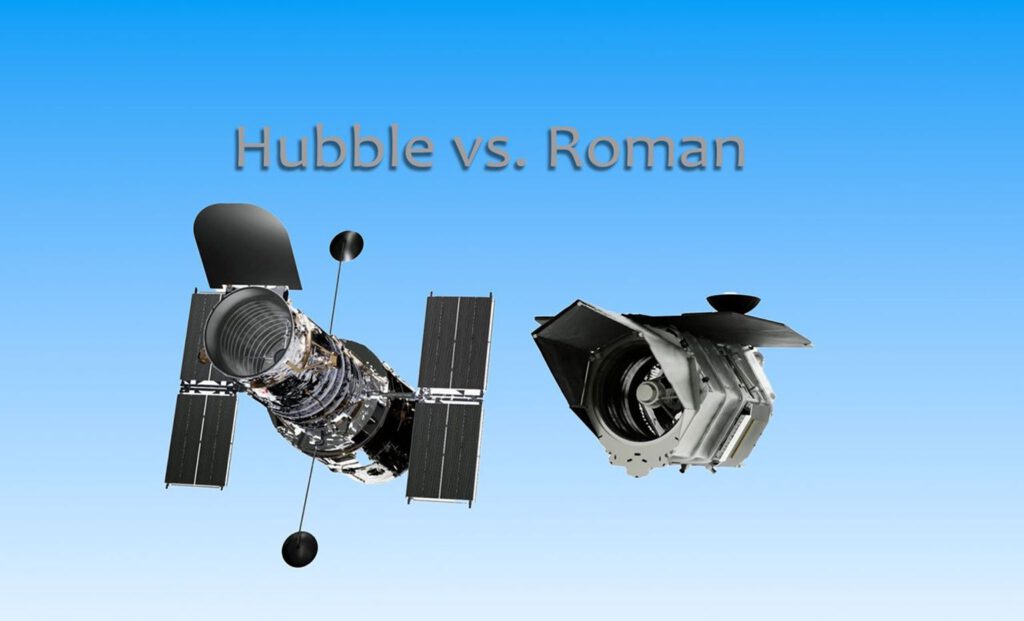
While Hubble excels at high-resolution imaging of individual objects in visible and ultraviolet light, the Roman Space Telescope is designed to capture wide-field infrared panoramas. Roman will survey a much larger area of the sky, identifying a vast population of gravitational lenses. Researchers intend to build automated tools using Hubble’s detailed data to efficiently search for similar arcs in Roman’s broader datasets.
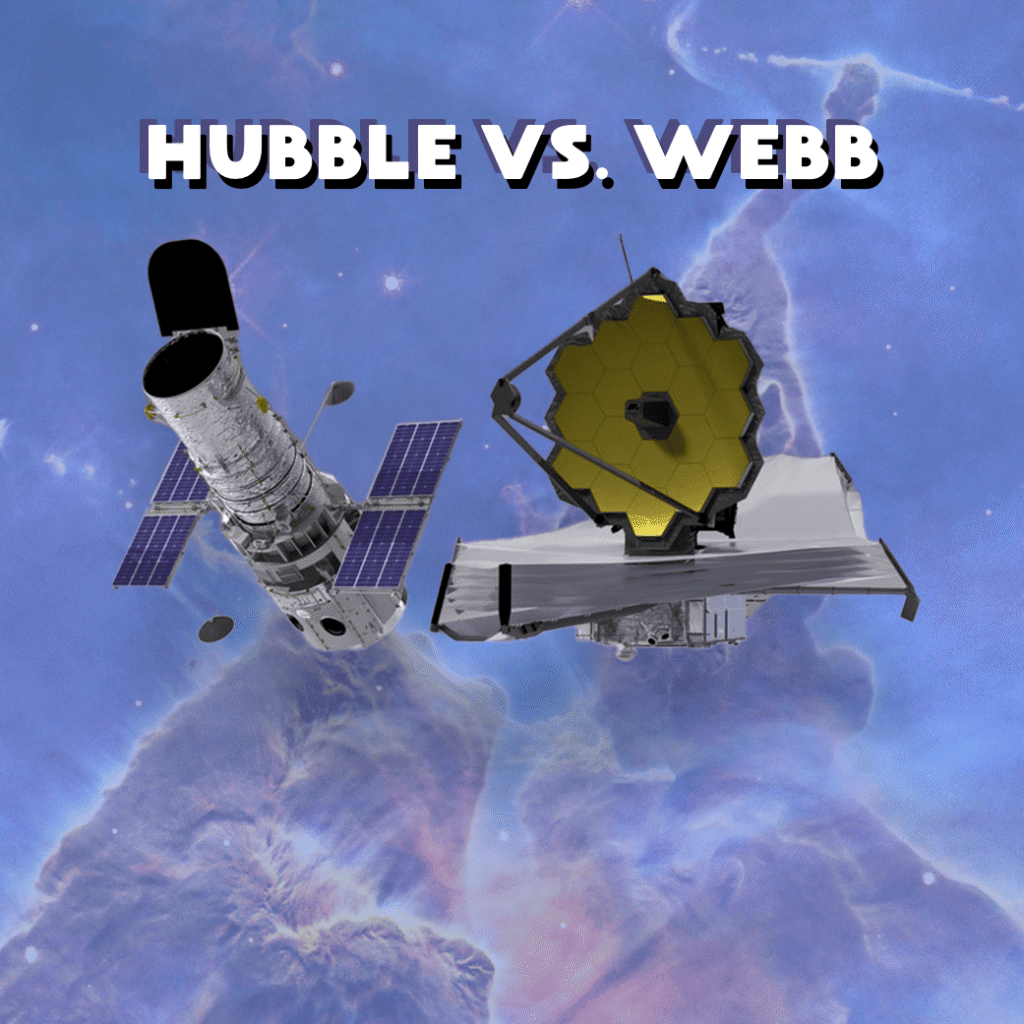
The collaboration between the two telescopes leverages their distinct strengths. Hubble will provide the precision needed to analyze specific targets, while Roman will provide the scale to find rare lensing events. This partnership builds on a long history of cooperation between NASA’s Great Observatories, including the Chandra X-ray Observatory and the James Webb Space Telescope.
The gallery includes examples of different lensing types, such as arc-counterarc configurations and Einstein Rings. Some foreground galaxies appear as elliptical shapes, while others show spiral arms or dust lanes. These variations offer insights into the evolutionary paths of galaxies and how they interact with background light sources. The colors of the lensed arcs, ranging from blue to red, indicate the ages of the stars within the distant galaxies.
These strong lenses were initially detected by the Dark Energy Spectroscopic Instrument at Kitt Peak. Hubble subsequently observed them to capture detailed images, and Roman will take further observations to expand the sample size. This multi-telescope approach allows scientists to build a more comprehensive picture of the universe.
Claire Andreoli from NASA’s Goddard Space Flight Center noted that the Hubble Space Telescope has changed our fundamental understanding of the universe since its 1990 launch. The addition of Roman to the fleet of large space observatories opens new windows onto the cosmos, revealing sights that were previously hidden.
Source: NASA
