


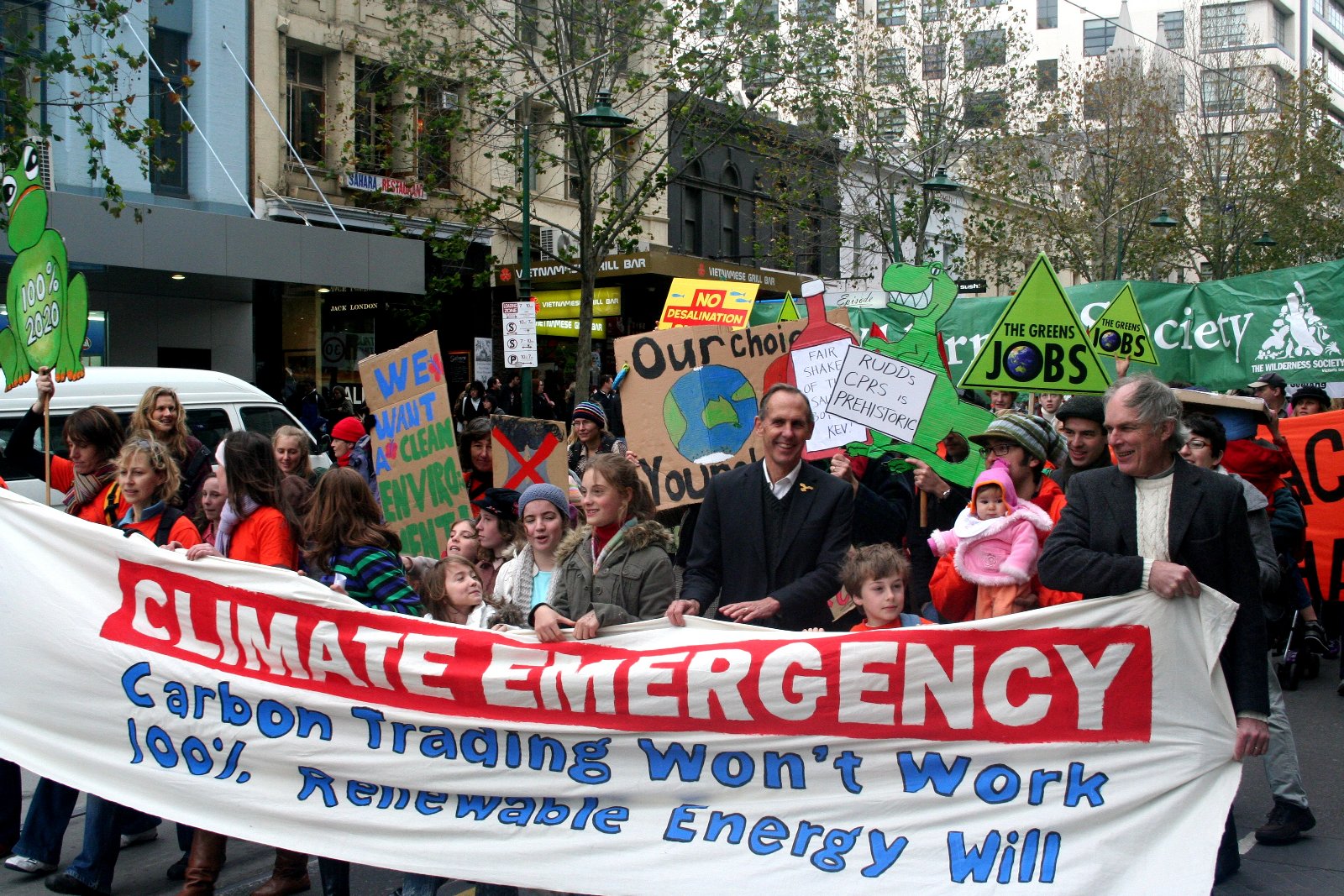
Researchers who lost their federal positions have released an independent climate change report to fill the data gap left by the Trump administration. The effort, titled the U.S. Climate Collection, was published simultaneously in the Bulletin of the American Meteorological Society and Earth’s Future. This move ensures the findings reach both academic peers and the general public.
U.S. Climate Collection fills data gap
The Trump administration halted work on the National Climate Assessment (NCA) in April of last year. The NCA is a congressionally mandated document that has tracked climate impacts in the United States for over two decades. The government also dismissed hundreds of scientists and researchers who were working on the latest edition of the assessment.
The new report does not replace the official NCA. Instead, it provides context for how climate research has advanced since the last official assessment in 2023. It highlights emerging priorities that require immediate attention from the scientific community.
Melissa Kenney, a lead author of the report and director of research at the University of Minnesota’s Institute on the Environment, explained the purpose of the project. She stated that the effort is intended to review current knowledge and identify areas where research has progressed. The report also outlines emerging priorities that need to be addressed to keep the public informed.
The document examines compounding hazards, such as heat waves occurring alongside wildfire smoke. It also emphasizes the need to improve weather forecasts and understand the indirect economic effects of climate change. Growing threats to agriculture were identified as another critical area for further study.
Scientists revive public data portals
The report notes that human-caused greenhouse gas emissions are driving climate change. It states that these emissions are increasing the likelihood and intensity of extreme weather events. The text warns that these changes are already harming people, economies, infrastructure, and ecosystems across the United States.
Kenney emphasized the importance of regular assessments. She warned that without them, society risks making decisions based on outdated climate information. She noted that while a single study provides one line of evidence, synthesis research connects hundreds of thousands of studies to show the bigger picture.
Informing the public has become a major focus for scientists who watched the administration attempt to undermine climate research. After the Trump administration took down climate.gov, laid-off scientists revived the site at a new web address. This action ensures that the public can still access critical risk information.
Costa Samaras, a professor at Carnegie Mellon University who worked on the report, said the scientific community has a responsibility to keep the public informed. He stated that the broader research community is stepping in when the government falls short. Samaras argued that the field of climate science did not stop simply because the administration is not proceeding with the NCA on its usual schedule.
Infrastructure risks and funding cuts
Samaras warned that local and state governments need current data to design resilient infrastructure. He noted that county managers need to know how high to build sea walls and how much rain roads should withstand. Without up-to-date research, officials cannot protect residents from extreme heat or flooding.
He added that the country is currently building infrastructure to last for the next 50 years using weather data from the past. This mismatch between design standards and current climate realities poses a significant risk to public safety and economic stability.
The science community has faced consistent attacks on research institutions since Trump took office. The New York Times reported that the administration withheld roughly $1.4 billion in research funding from the National Science Foundation. Elon Musk’s Department of Government Efficiency also fired scores of government scientists and eliminated over 1,600 research grants.
Robert Kopp, a climate scientist at Rutgers University and another author of the report, wrote about these efforts in The New Republic. He described how the climate research community is organizing to promote genuine science and preserve U.S. participation in the global climate science community. Kopp argued that just because a threat is not articulated by the federal government does not mean the threat is going away.
Samaras concluded that the lack of government articulation simply means people do not know as much about the risks. He stressed that the scientific community must continue to provide the data necessary for informed decision-making at all levels of government.
Source: Rolling Stone
