


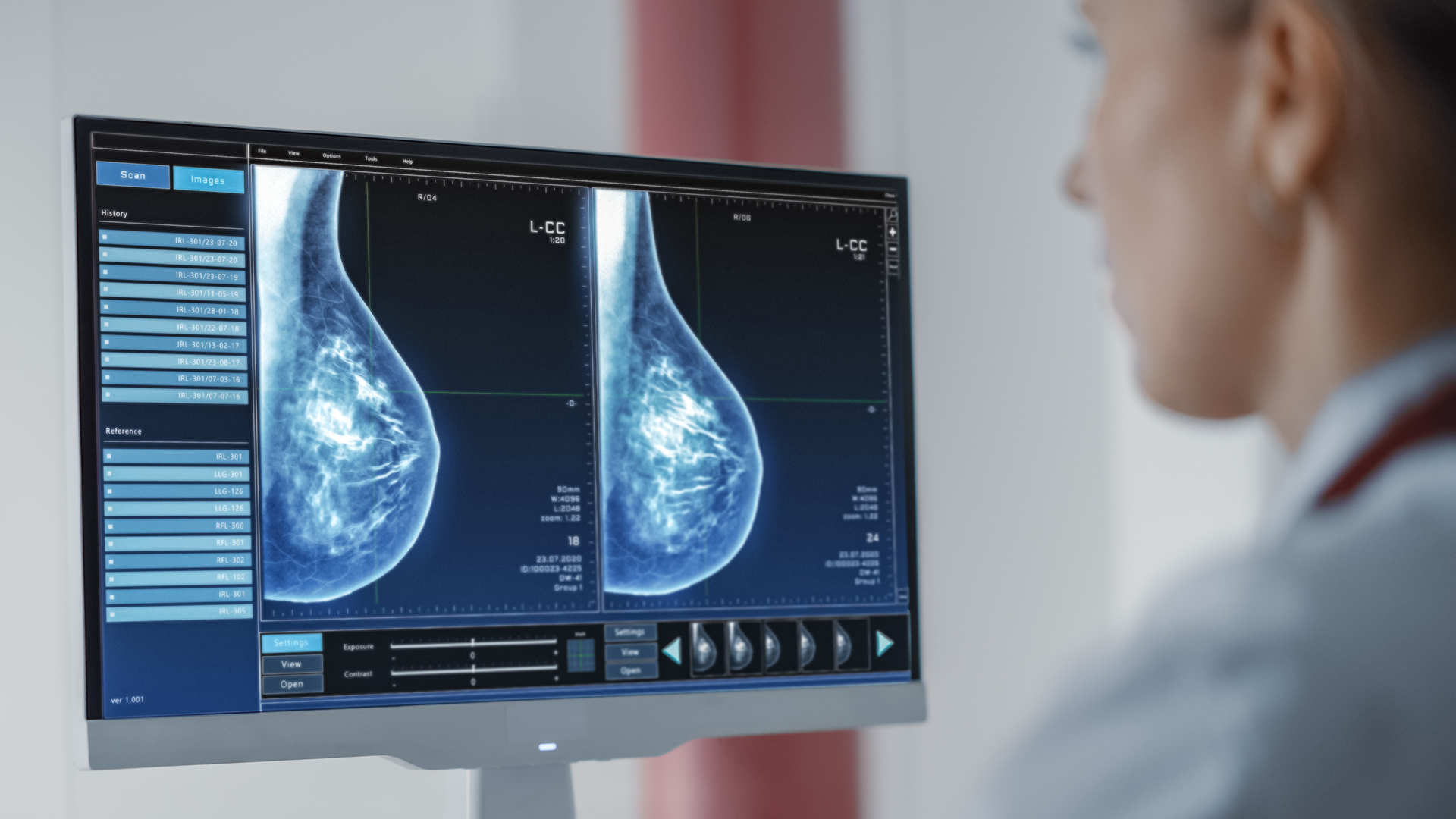
Breast cancer remains the most common diagnosis among American women, yet significant barriers persist in the care pathway. A large portion of women over 40 skip recommended annual screenings, while radiologists face a projected shortage of tens of thousands of colleagues over the next decade. When a diagnosis occurs, waiting weeks for genomic assay results can delay critical treatment choices.
Companies within the NVIDIA Inception program for startups are developing artificial intelligence applications to address these friction points. These tools span imaging, risk assessment, and treatment planning, aiming to support clinicians at every stage of the patient journey.
Automating Imaging with ATUSA
Access to screening is a major hurdle for many patients. iSono Health, an NVIDIA Inception startup, has created the ATUSA platform to simplify the imaging workflow. The system is an FDA-cleared, wearable automated 3D quantitative ultrasound device that captures a standardized breast volume in approximately two minutes per breast. This stands in contrast to conventional handheld ultrasounds, which can take up to 45 minutes.
The ATUSA system relies on AI trained on thousands of full-breast scans containing over 1.5 million ultrasound frames. It uses NVIDIA GPU acceleration to deliver 3D scans that the company claims are 28% more sensitive than handheld 2D ultrasounds. Because the device captures the whole breast in a repeatable manner, it reduces operator variability and allows clinicians to compare tissue changes across successive scans.
“Getting the scan closer to the patient is the first breakthrough,” said Neda Razavi, CEO of iSono Health. “Our vision is to make that scan increasingly informative: helping clinicians see what is there, understand what has changed and make more informed decisions.”
ATUSA is currently available through partner clinics in California, Texas, Georgia, Tennessee, and Washington D.C. The company is conducting a multicenter clinical study with 3,200 patients at UC Davis and Vanderbilt University Medical Center to further validate performance. Future plans include extending AI capabilities to include mammography and MRI data.
Supporting Radiologists and Oncologists
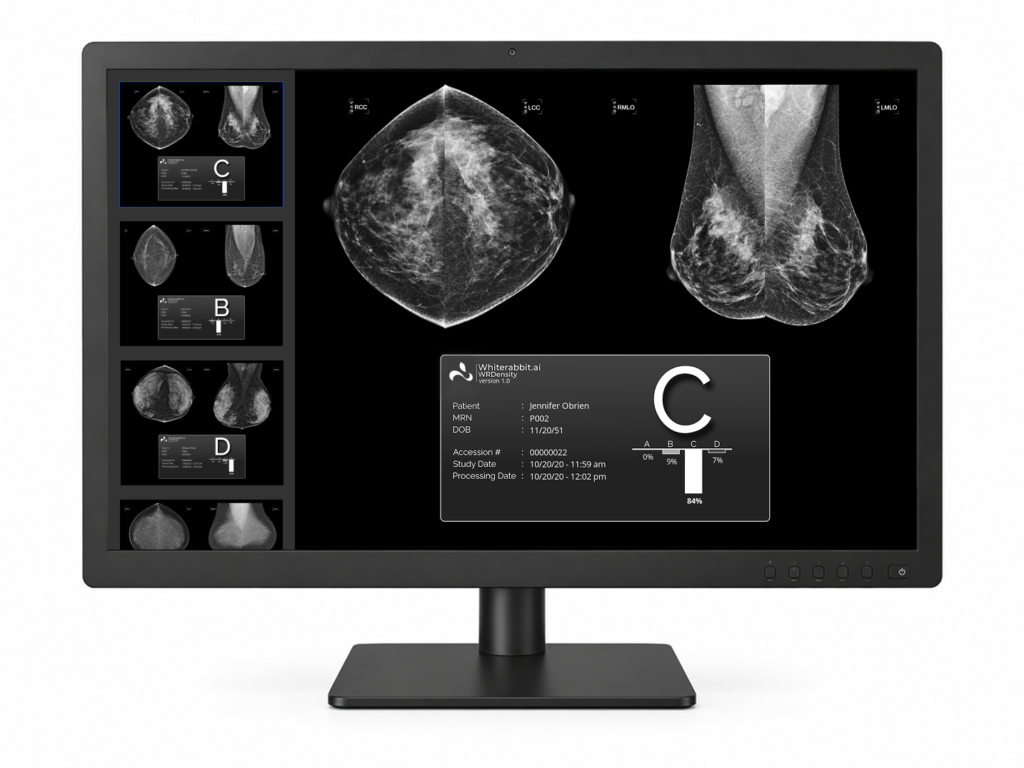
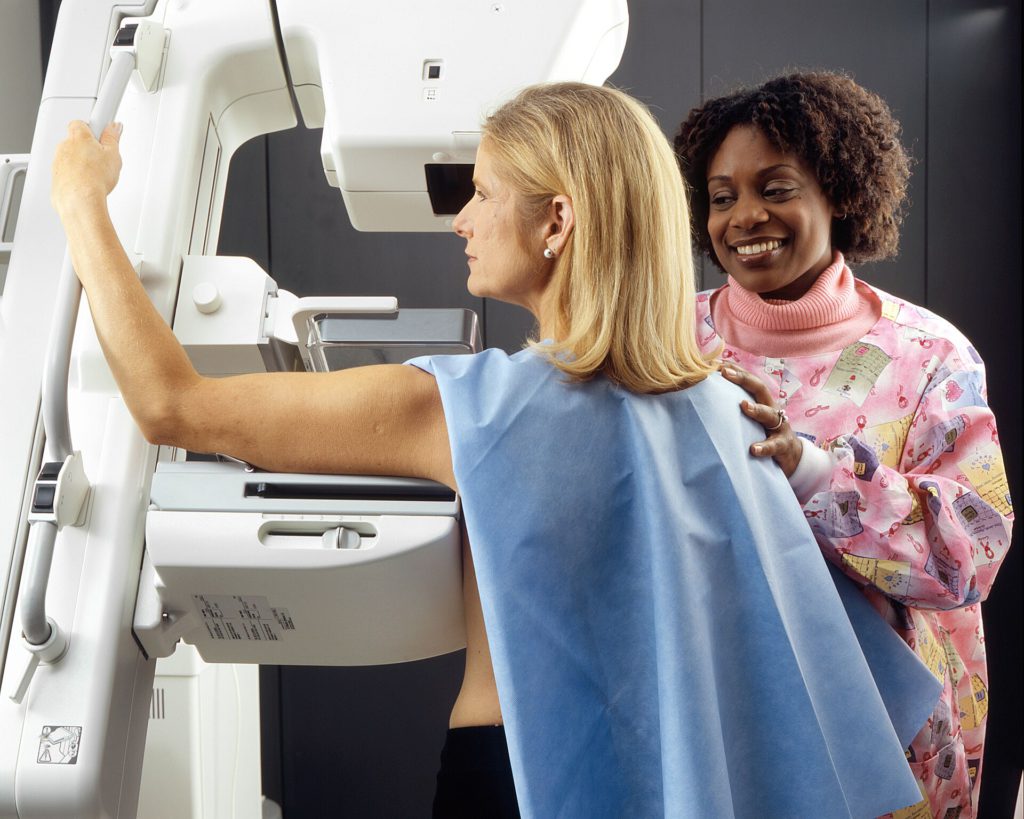
Whiterabbit.ai is another NVIDIA Inception company focused on screening efficiency. Its FDA-cleared WRDensity software automatically assesses breast density from mammograms and has been used for hundreds of thousands of patients. The company is also developing WRRisk, a tool for estimating long-term breast cancer risk.
Jason Su, cofounder and chief technology officer of Whiterabbit.ai, noted that radiologists face a “needle-in-a-haystack problem,” finding roughly one cancer in every 200 mammograms. The company trains its AI models on NVIDIA GPUs at Washington University in St. Louis and runs inference directly in clinics to reduce callbacks and lower healthcare costs.
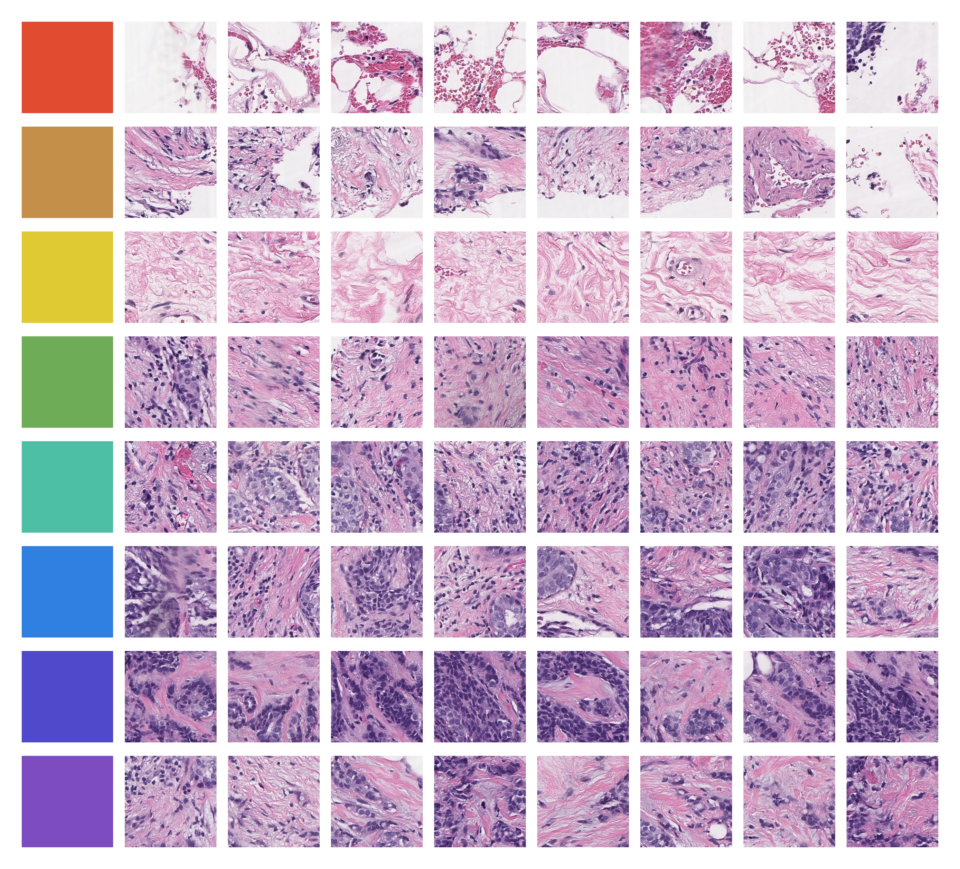
For patients already diagnosed, Ataraxis AI is working to shorten the wait for treatment decisions. The company uses digital pathology slides and clinical variables to predict how tumors will respond to therapy. Their models can estimate whether presurgical chemotherapy will shrink a tumor and predict five-year recurrence risk. These models run on NVIDIA GPUs using PyTorch and CUDA, and have been validated across more than 10 institutions.
“The tools oncologists rely on today to guide therapy decisions were largely trained once, fifteen years ago, and never updated,” said Joseph Cappadona of Ataraxis AI. “Our models get stronger every time we acquire more clinical trial data.”
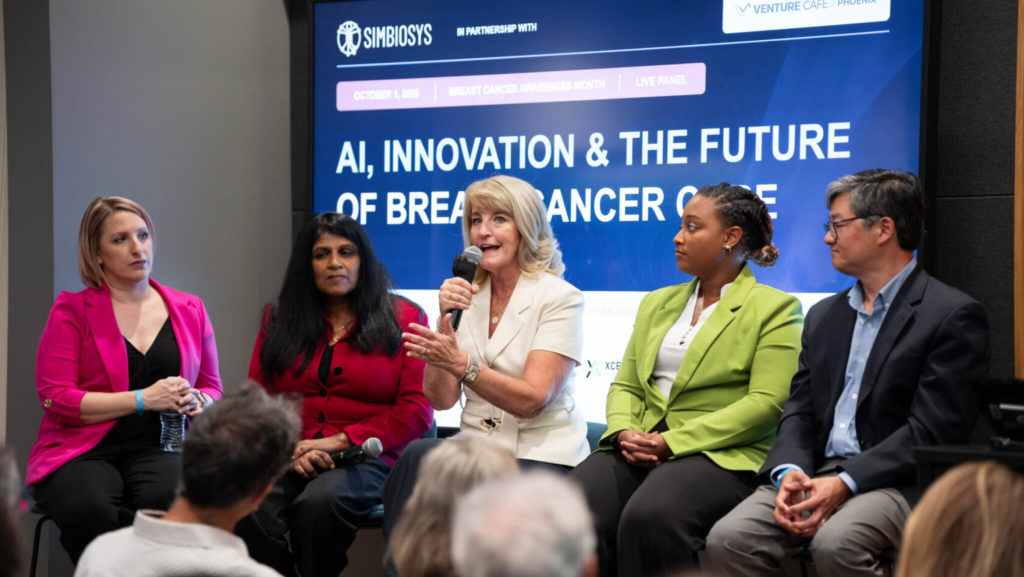
SimBioSys is building AI-powered precision medicine technology that creates 3D models of breast tumors and veins to guide surgery. The company uses NVIDIA MONAI and CUDA-X libraries to analyze imaging and pathology data. Stacey Stevens, CEO of SimBioSys, emphasized that combining multimodal data generates insights that individual tests cannot provide alone.
Some of these technologies are investigational and have not received FDA approval for commercial use. The companies continue to expand their clinical trials and partnerships to bring these AI-driven solutions to more healthcare settings.
Source: NVIDIA
