


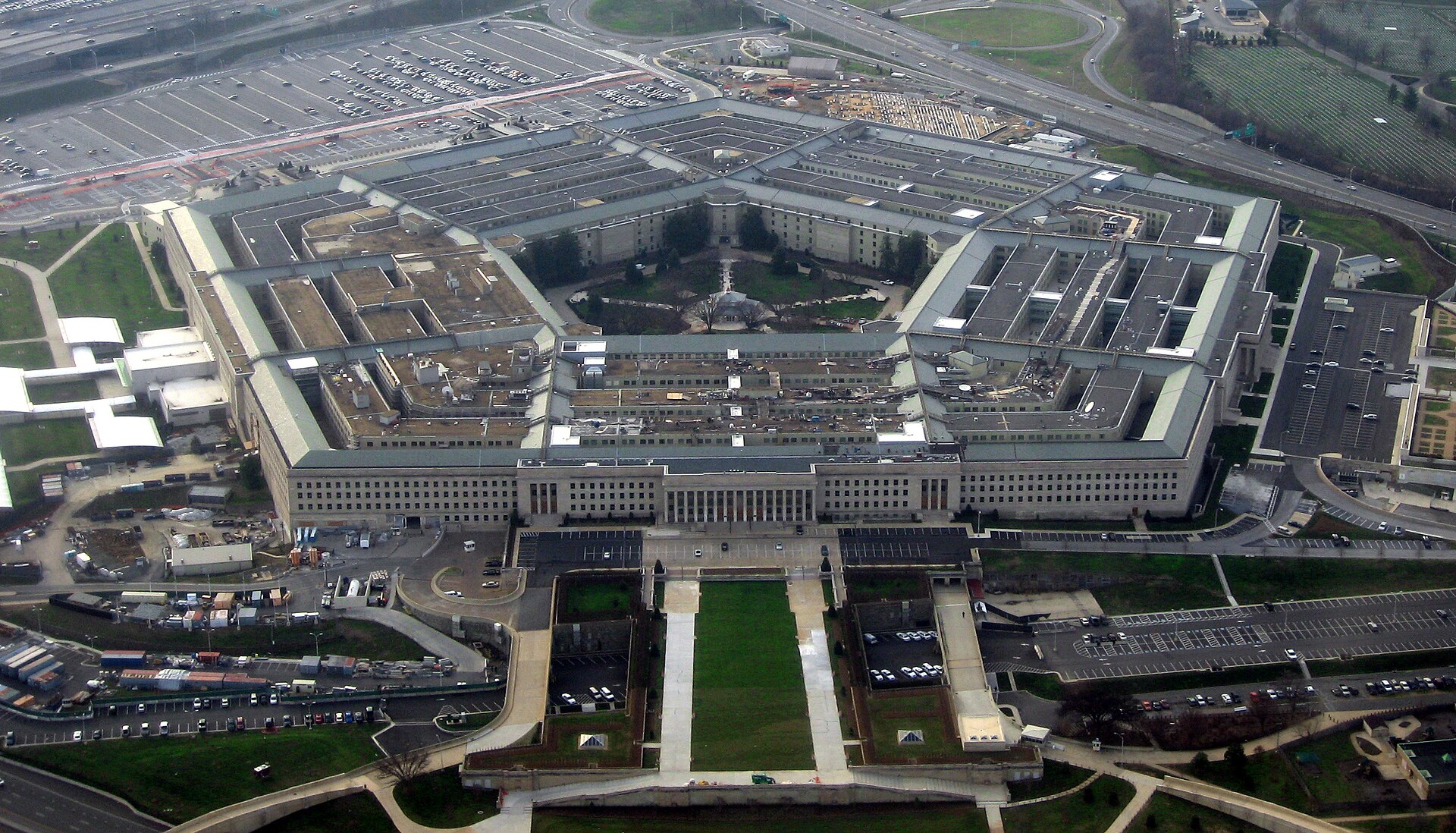
The US Department of Defense has officially ended its use of Anthropic’s artificial intelligence tools, an official confirmed to the BBC. This move comes months after Defense Secretary Pete Hegseth designated the AI company a supply chain risk on national security grounds.
A department statement confirmed that the “Pentagon has ceased the use of Anthropic products.” The decision follows a public clash between the defense leadership and Anthropic’s CEO, Dario Amodei, over the integration of AI in military operations.
Delayed Implementation of Blacklist
Hegseth announced in February that the Pentagon would stop using Anthropic by late August. However, reports indicate that the company’s Claude model remained in active use by the department as recently as last week. Multiple sources familiar with the matter stated that the AI was still being utilized for research, analysis, and intelligence gathering, including during military operations against Iran.

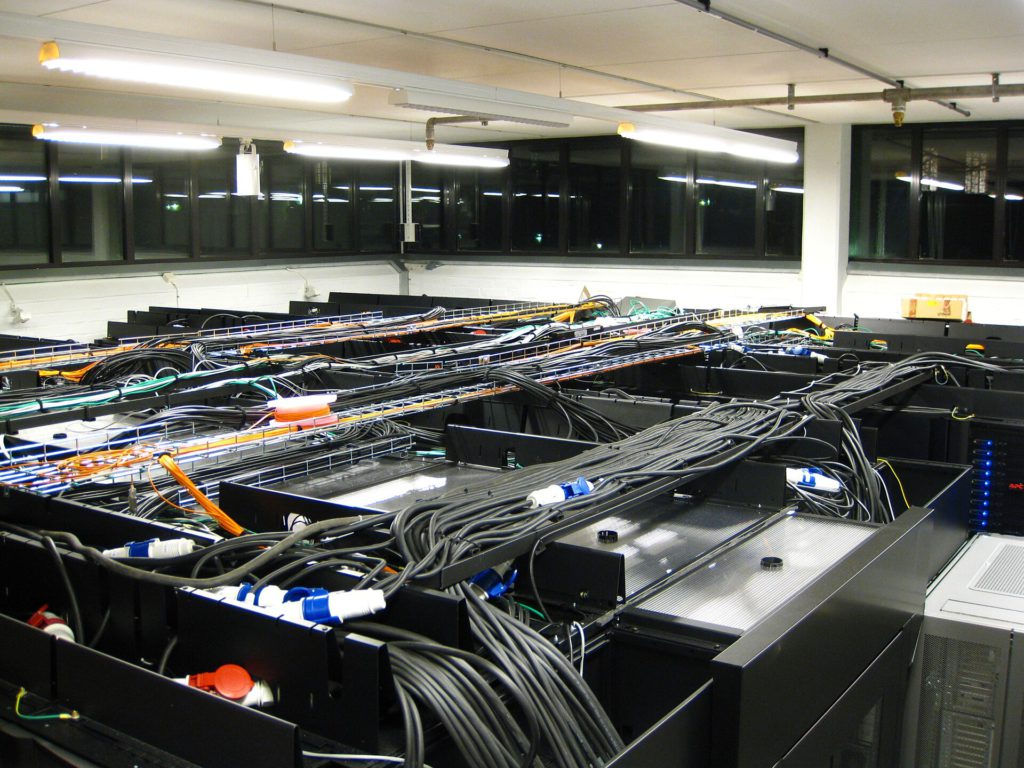
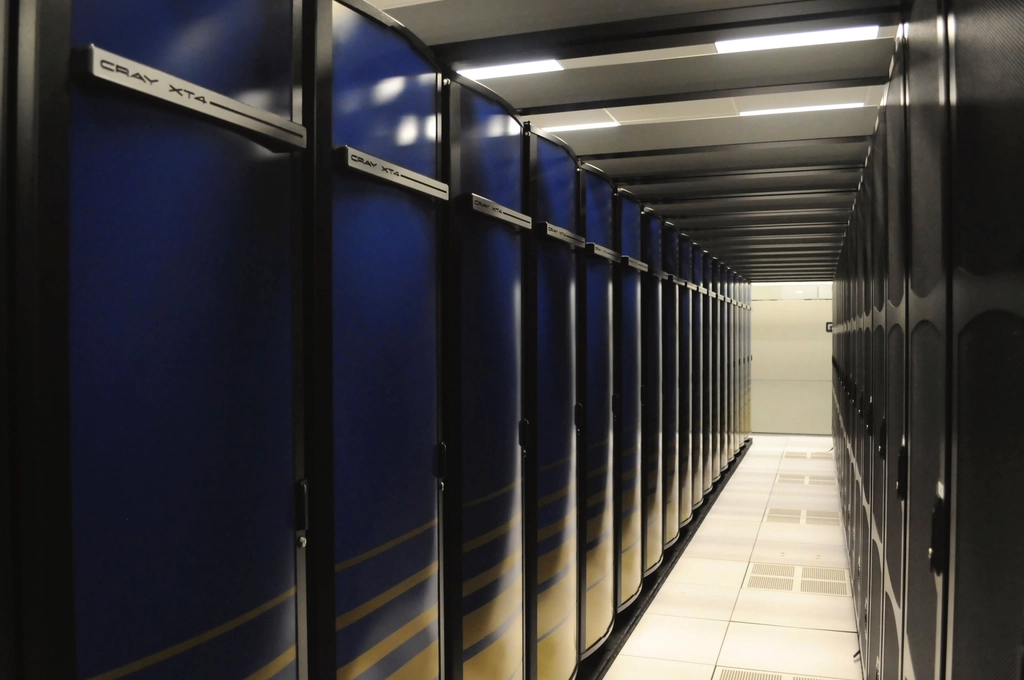
Former US defense officials and contractors described the tool as critical for sorting through vast quantities of information. The technology was embedded in the Pentagon’s primary data platform, the Maven Smart System, which is operated by Palantir. This system is used to organize intelligence data, including satellite imagery and drone footage, to help identify potential military targets.
Lauren Kahn, a senior research analyst at Georgetown University’s Center for Security and Emerging Technology, noted that the delay in removal highlights the complexity of integrating AI into military infrastructure. She stated that once these tools become deeply integrated, removing them is difficult and not a simple plug-and-play process.
Conflict Over Safety Guardrails
The breakdown in relations began earlier this year when the Pentagon requested that Anthropic remove safety guardrails from its Claude model to provide the military with unfettered access. Anthropic refused, citing concerns regarding mass surveillance and the development of autonomous weapons.
In response, Hegseth labeled Anthropic a “national security supply-chain risk,” a designation typically reserved for companies based in countries that pose a threat to the United States. Anthropic described the move as unprecedented and unlawful, subsequently suing the Trump administration to overturn the designation.
While the legal battle continues, the Pentagon has signed contracts with other major technology firms, including Google, xAI, and OpenAI. OpenAI tools have seen wider adoption in recent months within some military departments, according to people familiar with defense AI usage.
Despite the ongoing legal dispute and the cessation of Pentagon contracts, relations between Anthropic and the White House appear to be warming. President Trump met with Amodei twice at the White House last week. Following one of the meetings, Amodei expressed continued concerns about AI risks but stated that working with the president could help address them safely. Trump praised Amodei during the event, calling him “great” and “fantastic.”
Source: BBC
