


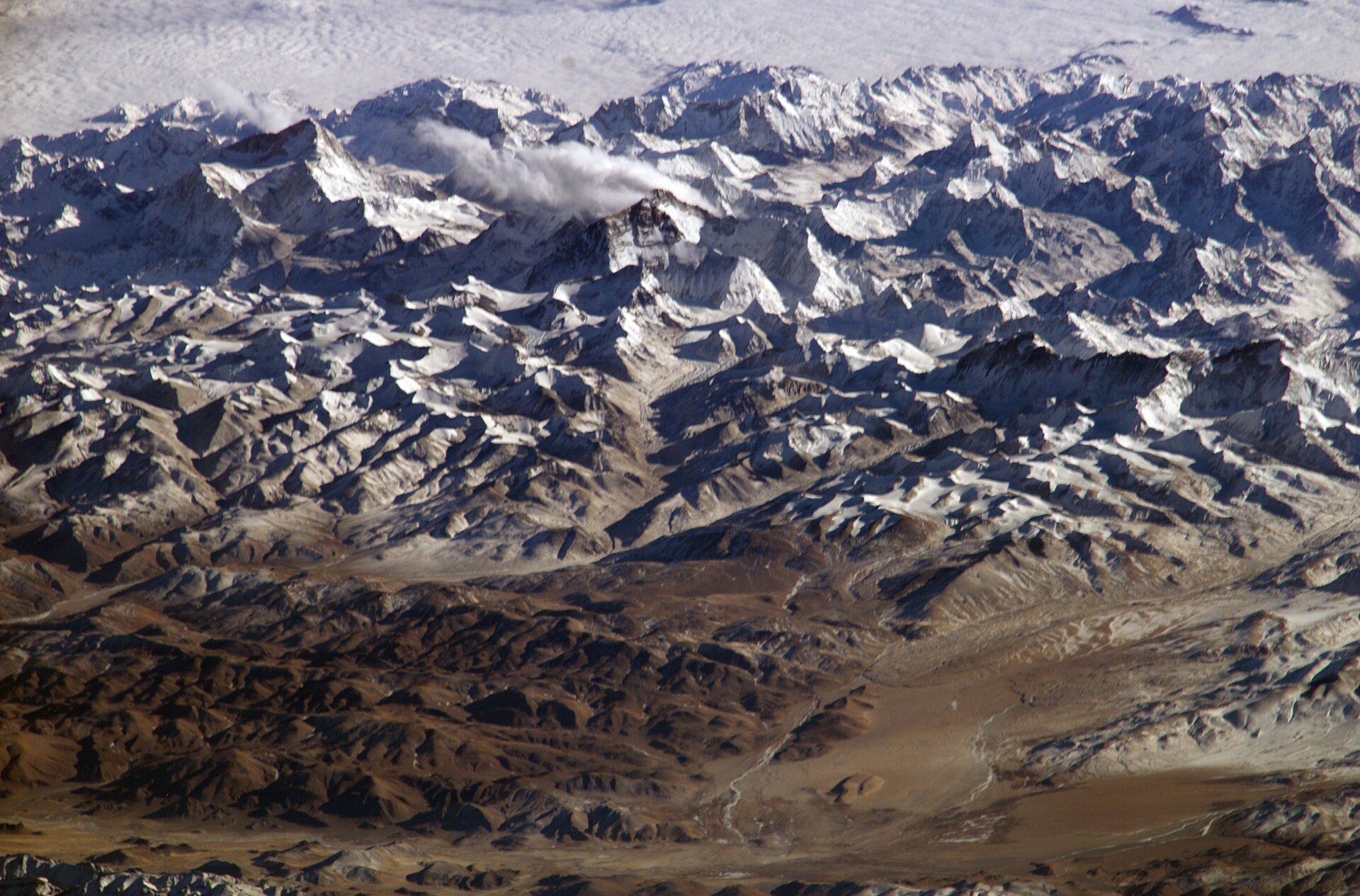
Nepal has proposed a new regional framework to bring India and China together on climate action, a move aimed at bridging the gap between two geopolitical rivals. Prime Minister Balendra Shah used his address at the United Nations General Assembly to highlight the urgent need for cross-border collaboration in the Himalayas, citing the devastating debris floods that struck Nepal in August.
Shah outlined a plan for a Himalayan Climate Resilience Mechanism. The proposal seeks to establish protocols for sharing scientific data and coordinating disaster response across the fragile mountain region. He urged the nations to transform the Himalayas from a zone of fragmented information into a laboratory for international cooperation.
Geopolitical Barriers to Data Sharing
The proposal faces significant hurdles due to the long-standing territorial disputes between India and China. The two nations share a roughly 3,500km disputed frontier, marked by the Line of Actual Control. This boundary has been the site of military standoffs and deadly clashes, creating an environment of deep mistrust.
Walter Ladwig, an associate fellow at the Royal United Services Institute, noted that data vital for climate science can also hold strategic military value. In a region where militaries face each other across a disputed frontier, what scientists view as essential research data may be perceived as strategic intelligence by national security establishments.
Historical attempts at environmental collaboration have largely stalled. A 2009 agreement for joint research on Himalayan glaciers by the Wadia Institute of Himalayan Geology and a Chinese counterpart yielded only a single meeting. Furthermore, hydrological data sharing agreements for the Brahmaputra and Sutlej rivers, which originate in Tibet, have expired. India reported that China stopped sharing Brahmaputra data in June 2023 and Sutlej data in 2022.
Accelerating Glacial Retreat and Flood Risks
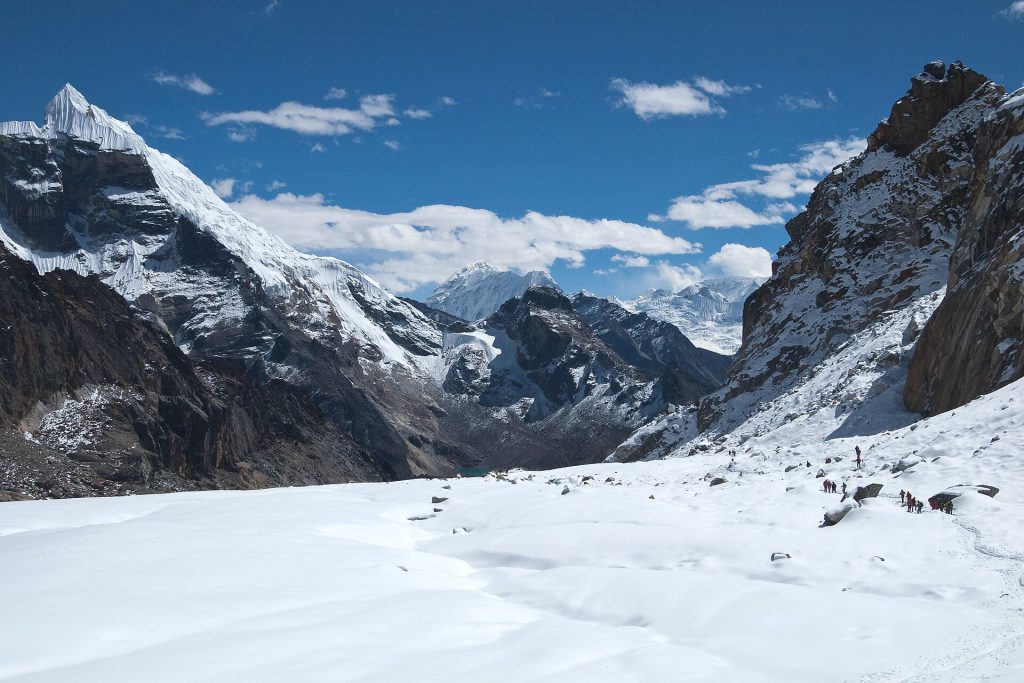
The push for cooperation is driven by rapidly worsening environmental conditions. Temperatures in the Himalayan region are rising faster than the global average, accelerating glacier retreat and permafrost thaw. A report by the International Centre for Integrated Mountain Development found that the rate of ice loss in the Hindu Kush Himalaya region has doubled since 2000 compared to the late 20th century.
On the Qinghai-Tibet Plateau, glaciers have shrunk by 24% in area over the past six decades. The plateau now contains more than 14,000 glacial lakes covering over 1,100 square kilometers. Experts warn that this meltwater increases the risk of glacial lake outburst floods, which can sweep across borders and threaten downstream communities in Nepal, India, and Bhutan.
A 2024 study by the American Geophysical Union projected a significant rise in landslide hazards across the Himalayas and Tibet due to increased rainstorms. The Kathmandu-based International Centre for Integrated Mountain Development has spent decades promoting regional cooperation, including early warning systems, but progress remains slow due to sensitive transboundary issues.
Dr Uday Kala from India’s IIT Mandi suggested starting with practical steps, such as jointly identifying high-risk glacial lakes and agreeing on basic data-sharing protocols. He emphasized that catching up with previous disasters is no longer sufficient, as climate change shifts the baseline for risk.
While some analysts see a glimmer of hope in recent high-level political engagement between New Delhi and Beijing, Beijing is likely to remain cautious about major agreements until border disputes are resolved. Nepal now faces the challenge of convincing its two powerful neighbors to prioritize shared climate threats over territorial friction.
Source: BBC
