


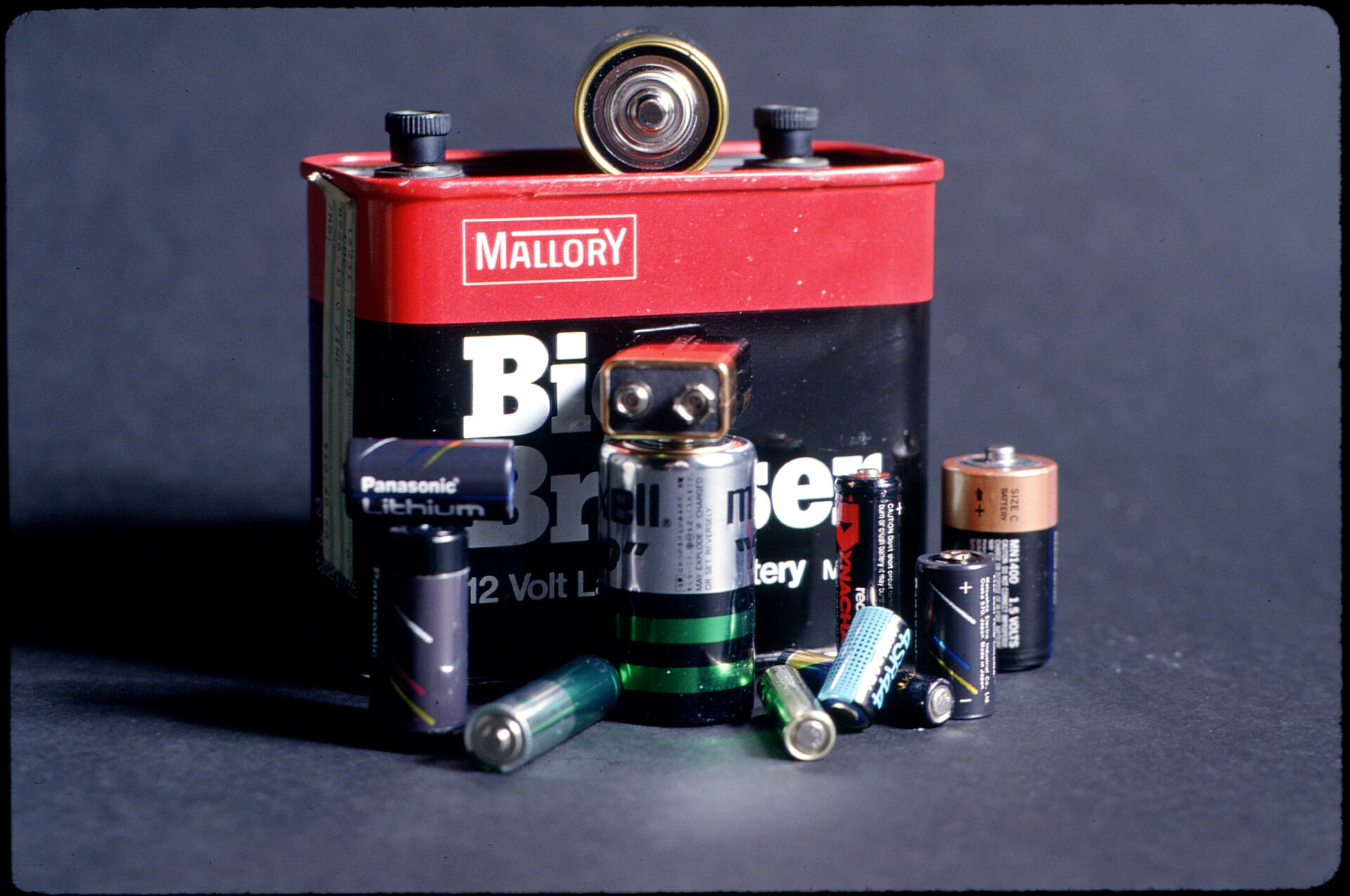
NASA has shared new details about a behind-the-scenes initiative designed to solve one of the most persistent challenges in space exploration: power storage in extreme environments. The agency is currently developing batteries capable of withstanding the severe temperature fluctuations found on the Moon, a capability that could be critical for upcoming Artemis missions.
Current lithium-ion batteries, which power most consumer electronics on Earth, rely on liquid electrolytes. These liquids freeze at low temperatures, which can permanently damage the battery, and they also fail to function properly at very high temperatures. This limitation is particularly problematic for lunar operations. Daytime temperatures on the Moon can reach 212 degrees Fahrenheit (100 degrees Celsius), while nighttime lows at the lunar south pole can plummet to minus 328 degrees Fahrenheit (minus 200 Celsius). Standard battery technology cannot survive these conditions.
SPEARS battery development
The project, known as Solid Power for Extreme Environment Adaptability and Resilience in Space, or SPEARS, is working on an alternative design. Instead of liquid electrolytes, the team is using solid ceramic or polymer materials. These solid-state batteries do not freeze in the same way liquid-based ones do, making them more resilient to the deep cold of space.
While these new batteries still require some warming up to function effectively, they have not shown signs of damage from extreme cold in testing. Additionally, they require less energy-intensive thermal management systems than traditional lithium-ion counterparts. This efficiency is vital for space missions, where power is a scarce resource and every watt counts toward keeping equipment operational.
Applications for Artemis and beyond
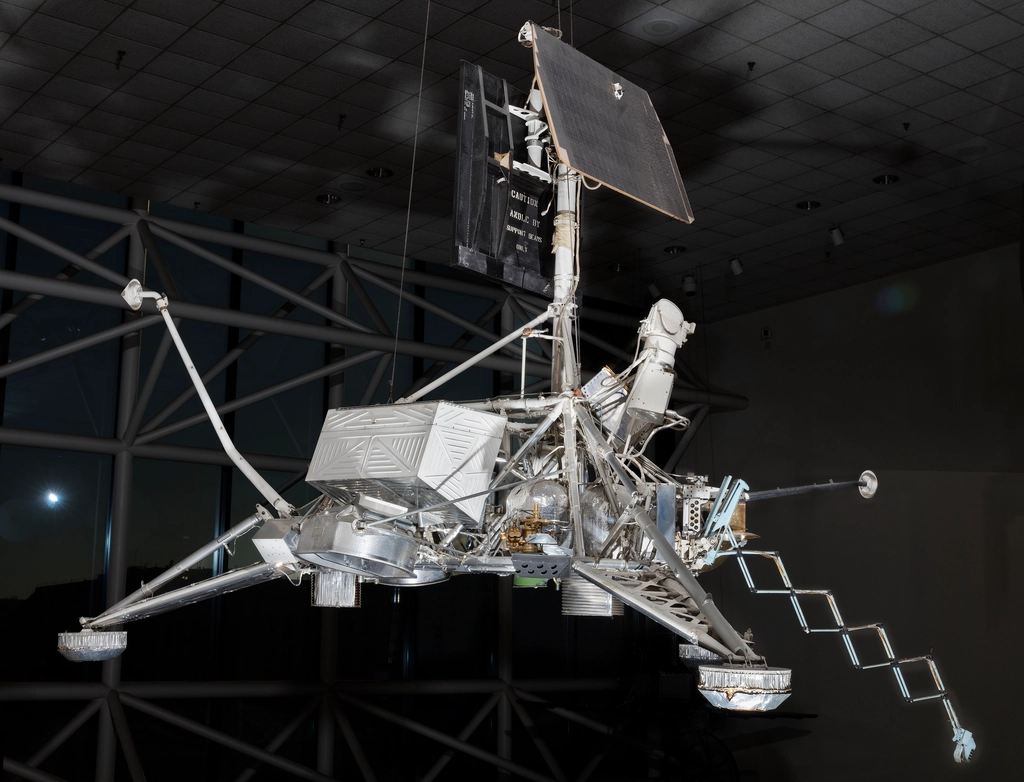
The primary goal of the SPEARS project is to support campaigns on the Moon, specifically the future Artemis missions. These missions will involve extended stays and operations in the harsh lunar environment, requiring reliable power sources that do not fail when temperatures drop drastically. The technology being developed is also being tested for potential use in Mars missions, where similar thermal challenges exist.
While the immediate focus is on space readiness, the underlying technology has potential terrestrial applications. The source material notes that it is possible the same technology could one day power gadgets here on Earth. However, the primary emphasis remains on solving the specific engineering hurdles of space exploration rather than immediate consumer electronics improvements.
The development of these batteries represents a significant step in ensuring that human and robotic explorers can operate safely and effectively in the most extreme environments known to science. As NASA continues to refine the SPEARS technology, the hope is that these solid-state batteries will become a standard component in future space hardware.
Source: Engadget
