


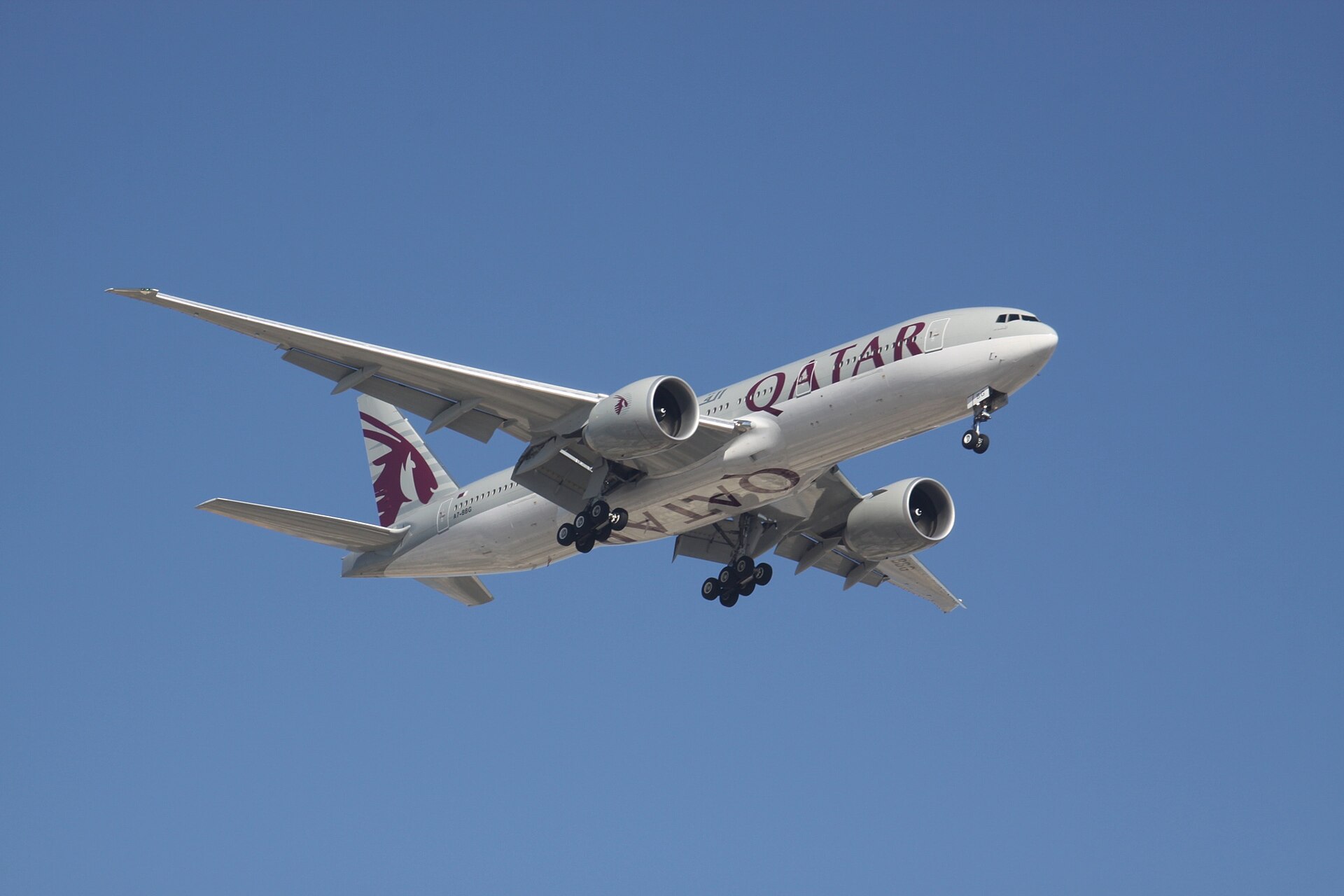
Qatar Airways began commercial service to Bogota and Caracas on November 4, marking the carrier’s first passenger flights to Colombia and Venezuela. The inaugural flights departed from Doha Hamad International Airport (DOH) on a triangular route that stops in both South American capitals before returning to the Gulf.
The launch comes three and a half months after the airline’s original schedule. The service was initially planned for July, then pushed to September, and finally moved to November due to the ongoing war in Iran. The conflict has forced Qatar Airways to reroute several long-haul flights, including services to New Zealand, which now stop in Australia.
Operational Challenges and Route Structure
The first flight operated on a DOH to Caracas (CCS) to Bogota (BOG) to DOH routing. This direction was chosen to manage payload limitations. Bogota’s El Dorado International Airport sits at a high elevation, which reduces aircraft performance during takeoff with a heavy load. The return leg from Bogota to Doha covers 7,179 nautical miles (13,296 km) on a great-circle basis.
Starting with the second service, the airline will reverse the direction. The new routing will fly DOH to Bogota to Caracas and back to Doha. This change allows for a higher passenger and freight payload when departing from South America. The total block time for the route is approximately 20 hours and 35 minutes, making it Qatar Airways’ longest current offering.
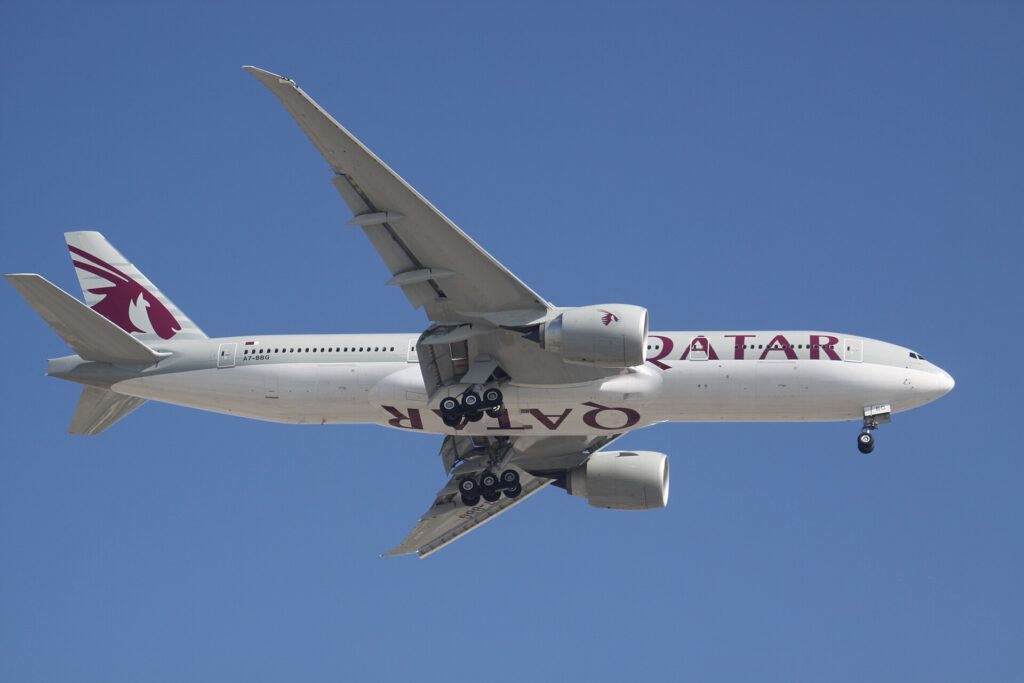
The flights are operated using Boeing 777-200LR aircraft. The airframe used for the inaugural service is 17.8 years old and features 272 seats. The cabin includes 42 business class seats in a 1-2-1 configuration with QSuites, and 230 economy class seats in a 3-4-3 layout. Starlink Wi-Fi is available on board.
Market Context and Competition
Qatar Airways now serves three cities in South America, joining Brazil with existing services to São Paulo. The decision to launch this route appears to be driven by government needs rather than pure commercial demand. A source in network planning noted that the twice-weekly frequency is low for the global operator and suggested the route was ordered by the Qatari government.
Booking data from the 12 months leading to August 2026 shows minimal traffic from Bogota and Caracas to the Middle East, South Asia, and Africa. Only 137,000 round-trip passengers are estimated to have traveled this corridor, averaging about 375 people per day. The market is currently served by Emirates, which flies to Bogota via Miami, and Turkish Airlines, which serves both cities.
Other carriers like Air France, KLM, and Lufthansa also play a significant role in serving Bogota. Qatar Airways may target the Lebanese community in Venezuela, which numbers over 750,000 people, by offering connections to Beirut. The airline will compete against established networks that have long connected South America to Europe and the Middle East.
The new route highlights the impact of geopolitical tensions on global aviation. With Iran’s airspace closed to many carriers, flights to the Pacific are being extended through Australia. The Qatar Airways service to Bogota and Caracas remains slightly longer than these rerouted flights to Auckland, which have block times ranging from 20 hours and 10 minutes to 20 hours and 20 minutes depending on the Australian stopover city.
Source: Simple Flying
