


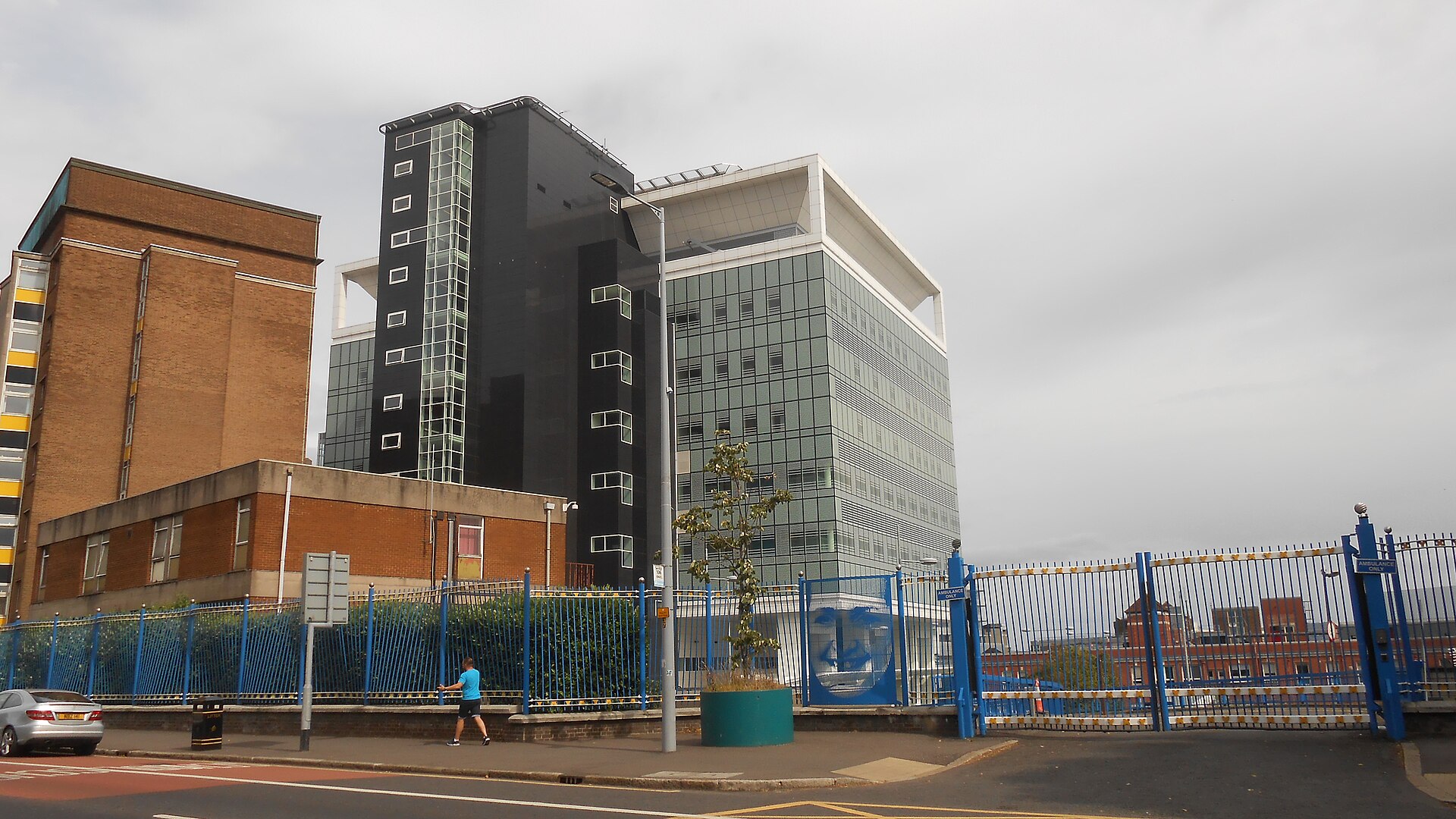
Hospital doctors in Northern Ireland have announced two days of industrial action next month, citing the inability to receive a 3.5% pay increase due to the absence of a devolved government budget. The strikes mark a shift from the relatively muted impact of the seven-month financial impasse, as public sector workers begin to face tangible consequences from the political stalemate.
The British Medical Association (BMA) confirmed that resident doctors will stage a 24-hour walkout on Friday, 20 November. This will be followed by a significantly reduced service provided by consultants and specialists on Monday, 23 November. The action comes after the health minister accepted an independent body’s recommendation for the pay uplift, but officials state the funds cannot be disbursed without a formal budget agreement.
Pay Disparity With Rest of UK
The delay has created a noticeable disparity between health workers in Northern Ireland and their counterparts elsewhere in the United Kingdom. Doctors in England, Scotland, and Wales have already received the 3.5% increase in their pay packets since April. Clodagh Corrigan, a representative for the BMA, highlighted the growing frustration among staff, noting that union representatives were told by the health minister two weeks ago that there would be no pay rise before Christmas, if at all.
Corrigan questioned the duration of the wait, stating, “I don’t know long you’d like us to wait?” The Royal College of Nursing (RCN) has also opened a ballot for industrial action over the same issue. Professor Rita Devlin, the RCN’s executive director in Northern Ireland, described the situation as despicable, pointing out that nursing staff in the region are forced to fight for awards that colleagues in other UK nations receive automatically.

Stormont Budget Standoff
The root of the crisis lies in the Northern Ireland Executive’s failure to agree on a financial plan for the current year. Executive parties argue that the UK’s devolution funding formula leaves them with insufficient resources to create a workable budget. Finance Minister John O Dowd outlined the scale of the problem in the assembly, noting that departmental pressures for the current financial year amount to approximately £1.6 billion.
While the UK government has offered an additional £1.5 billion over three years, with a first tranche of £525 million due this year, O Dowd argued this falls short of covering the costs. He emphasized that public sector pay settlements alone account for roughly £500 million, and any agreement must include uplifts for teachers, nurses, and other workers.
Health Minister Robbie Butler attempted to maintain a conciliatory tone while acknowledging the legal constraints. He stated he remains committed to implementing the pay award but is currently unable to do so without a sufficient budget for his department. Secretary of State Sir Chris Bryant expressed exasperation with the delay, calling the overspending irresponsible and suggesting that the absolute deadline for reaching a deal is January, when emergency spending arrangements will expire.
Source: BBC
