


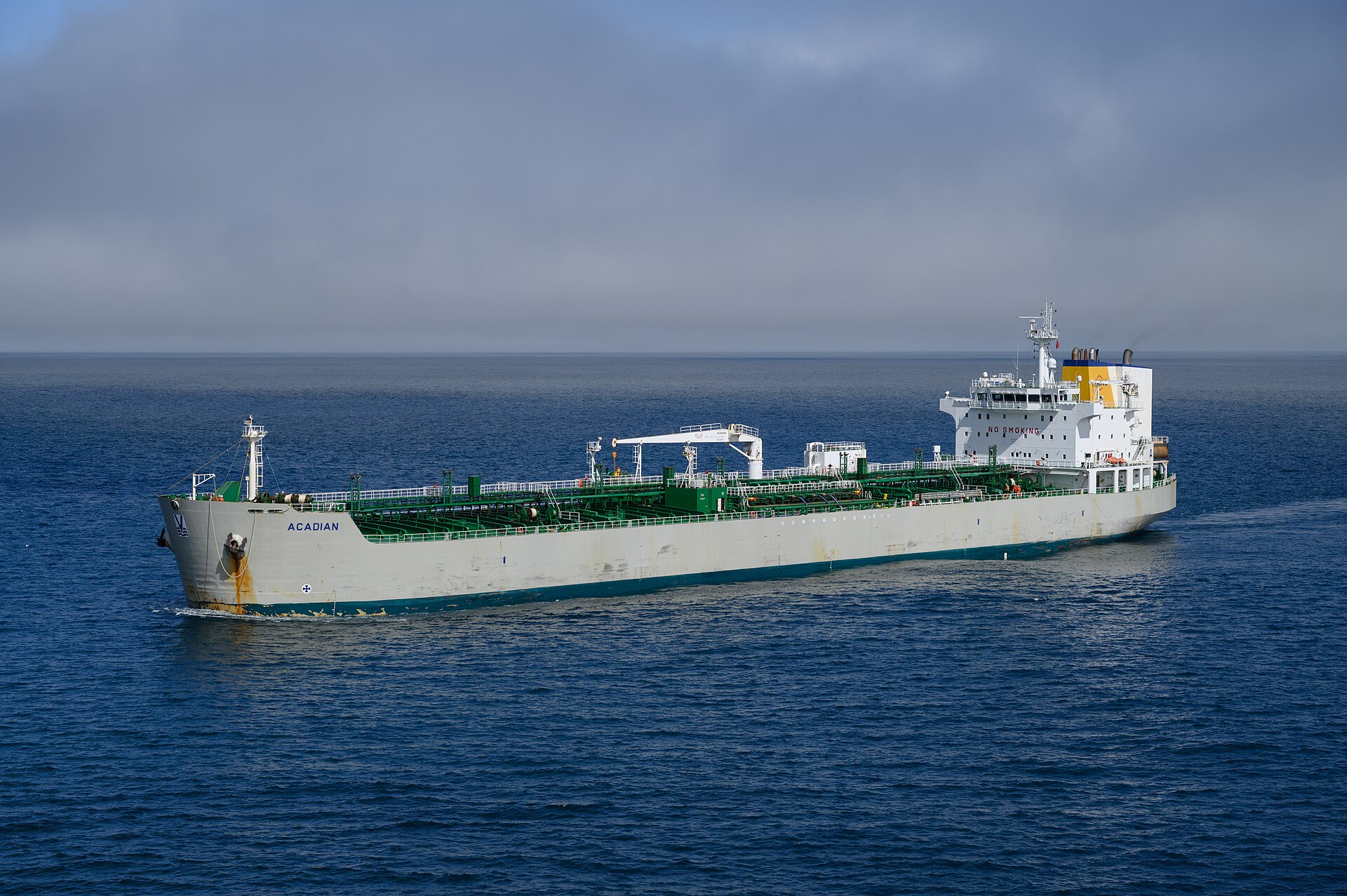
Iran’s Islamic Revolutionary Guard Corps (IRGC) stated on Saturday that two oil tankers caught fire after striking naval mines in the Strait of Hormuz. The guard force claimed the vessels were using a route not authorized by Tehran and had disabled their navigation systems.
According to the IRGC, the first tanker triggered an explosion and a fierce fire after hitting a mine. The second vessel was reportedly engulfed in a massive blaze after striking another mine. Iran’s official IRNA news agency reported that the ships were each carrying approximately two million barrels of crude oil.
Unauthorized Route and Navigation Blackout
IRNA reported that the vessels had switched off their positioning and radar systems before the incidents. The IRGC stated that one tanker attempted to cross the waterway with alleged US support, while the second was left immobilized. Information regarding the names of the ships or the origin of their cargo was not immediately available.
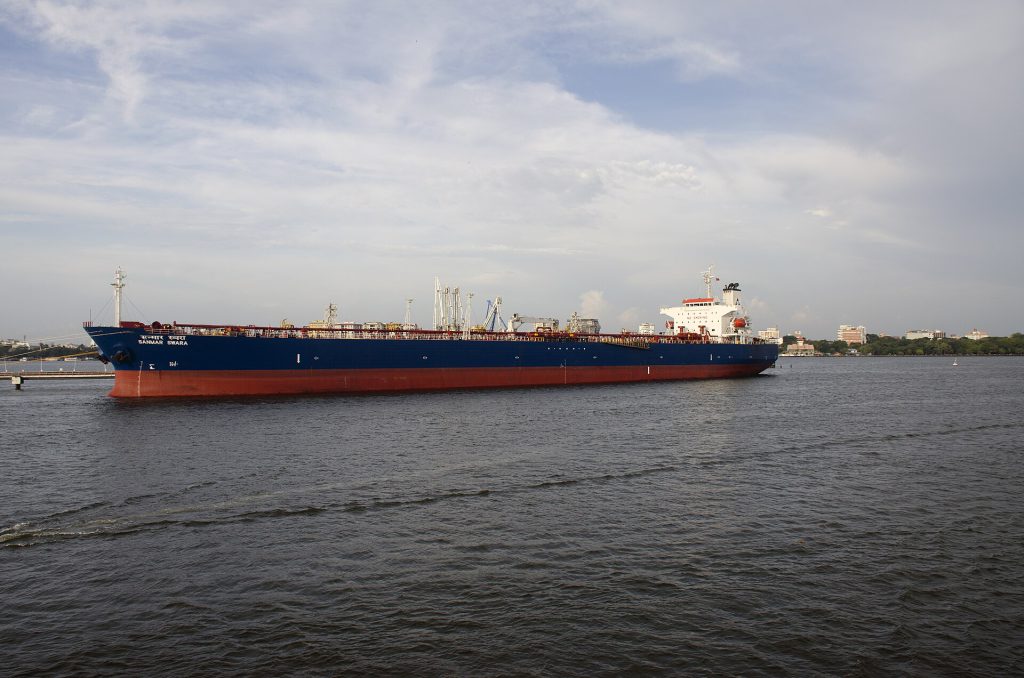
This incident follows a warning issued earlier this week by IRGC naval commander Rear Admiral Ali Azmaei. He stated that any vessel deactivating its navigation systems would be considered hostile. Iran seized control of the Strait of Hormuz after the US-Israeli war on the country began in late February. Since then, Tehran has demanded that all ships seek its authorization before transiting the waterway.
Surge in Maritime Attacks and Oil Disruption
Attacks around the waterway have increased significantly over the past two weeks. Iran says it is stepping up strikes in response to a US naval counter-blockade on Iranian oil exports and tougher sanctions imposed last month. The army earlier reported that two tankers caught fire on Thursday and Friday in Tehran’s prohibited zone in the Gulf of Oman.
Maritime monitors also reported two tankers struck in Gulf waters off Saudi Arabia on Friday. Last Sunday, six vessels were attacked in or near the Strait of Hormuz, marking the highest number of incidents in a single day since the war began, according to security firm Vanguard, the International Maritime Organization, and the UK maritime agency UKMTO.
The disruption has had a tangible impact on global energy markets. Data from Kpler showed that nearly 20.8 million barrels of oil passed through the strait on October 8. By October 11, that figure had dropped to 2.9 million barrels. The reduction in transit volume has contributed to rising global energy prices and inflation.
US President Donald Trump addressed the conflict in an interview with Newsmax on Thursday. He explicitly ruled out the use of nuclear weapons against Iran. Trump also stated he was not considering putting troops on the ground in Iran. He added that he believes a deal to end the war will be reached after the November 3 US midterm elections.
Source: Al Jazeera
