


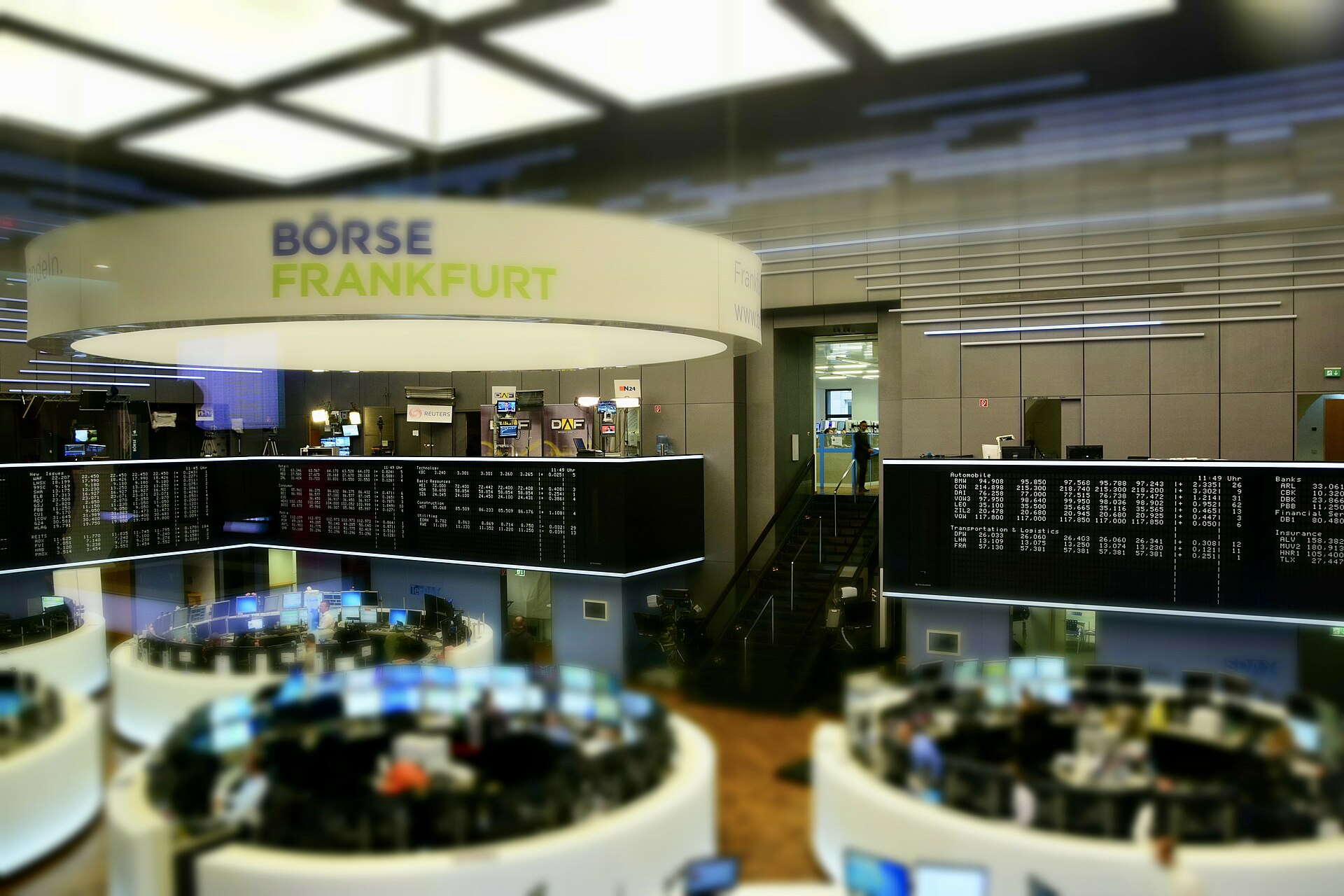
Asian and European stock markets dropped sharply on Friday, extending a sell-off that began on Wall Street the previous day. The decline followed a decisive victory for Democrats in the US midterm elections, which triggered a significant rout in technology shares across the Atlantic.
Investor sentiment turned negative in London, where the FTSE 100 index faced its steepest drop since March. At one point, the blue-chip index fell 254 points, or 2.35%, to 10,528 points. By the end of the trading day, the index had recovered some ground to close down 1%, supported by a late rally in US stocks.
European markets also recorded losses. Germany’s Dax index fell by 2%, while France’s Cac 40 and Spain’s Ibex dropped by 0.8% and 0.6% respectively.
AI Spending Concerns Drive Sell-Off
Analysts point to growing anxiety over the sustainability of artificial intelligence investments as a primary driver of the market turbulence. Susannah Streeter, chief investment strategist at Wealth Club, noted that the pain from the Wall Street sell-off spread directly to Asia and Europe.
Streeter highlighted that investors are increasingly nervous about returns on massive infrastructure projects. She stated that the planned expansion of datacenters appears to be slowing, which threatens the spending spree that has fueled the recent tech boom.
This concern was echoed by Craig Lang, a principal analyst at consultancy CRU, who said copper prices are now heavily influenced by sentiment toward datacenter expansion. Copper, a key metal for semiconductors and electronics, was poised for its biggest weekly fall since March, dropping 0.61% to a 2.79% weekly loss.
Wall Street Volatility and Job Data
The global turmoil followed a turbulent session on Thursday, when the Nasdaq composite index suffered its worst day in 19 months, slumping 5.5%. Chip stocks led the decline, with memory maker SanDisk falling 22% and hard drive maker Western Digital dropping 17%.
Market volatility spiked as the Vix, known as Wall Street’s fear index, jumped more than 60% to levels not seen since the early weeks of the Iran war. Christopher Forbes, head of Asia and Middle East at CMC Markets, described the situation as a disaster for clients who were long on index and stock positions, noting that many faced margin calls and complaints.
However, signs of stabilization emerged on Friday. A stronger-than-expected US employment report helped ease some jitters. The economy added 165,000 new jobs in October, pulling the unemployment rate down to 4.1%. This data contributed to a rise in US stocks, with the S&P 500 gaining 0.3% and the Nasdaq closing up 1%.
Despite the recent losses, most major indices remain in positive territory for the year. The Nasdaq Composite is up 6.35% since January, though it remains more than 10% below its peak. The FTSE 100 has gained nearly 7.5% in 2026 but is still over 300 points below its July record high.

Mohit Kumar, an economist at Jefferies, argued that the current market shakeout does not signal the end of the AI trade. He noted that Democrats are unlikely to abandon AI infrastructure, which supports US growth and creates jobs, making them reluctant to let these investments move elsewhere.
Chris Beauchamp, chief market analyst at IG, warned that despite the slight recovery, the risk of further selling remains high due to persistent AI fears and geopolitical tensions. Investors are closely monitoring oil prices and the potential for a resumption of conflict in Iran.
Source: The Guardian
