


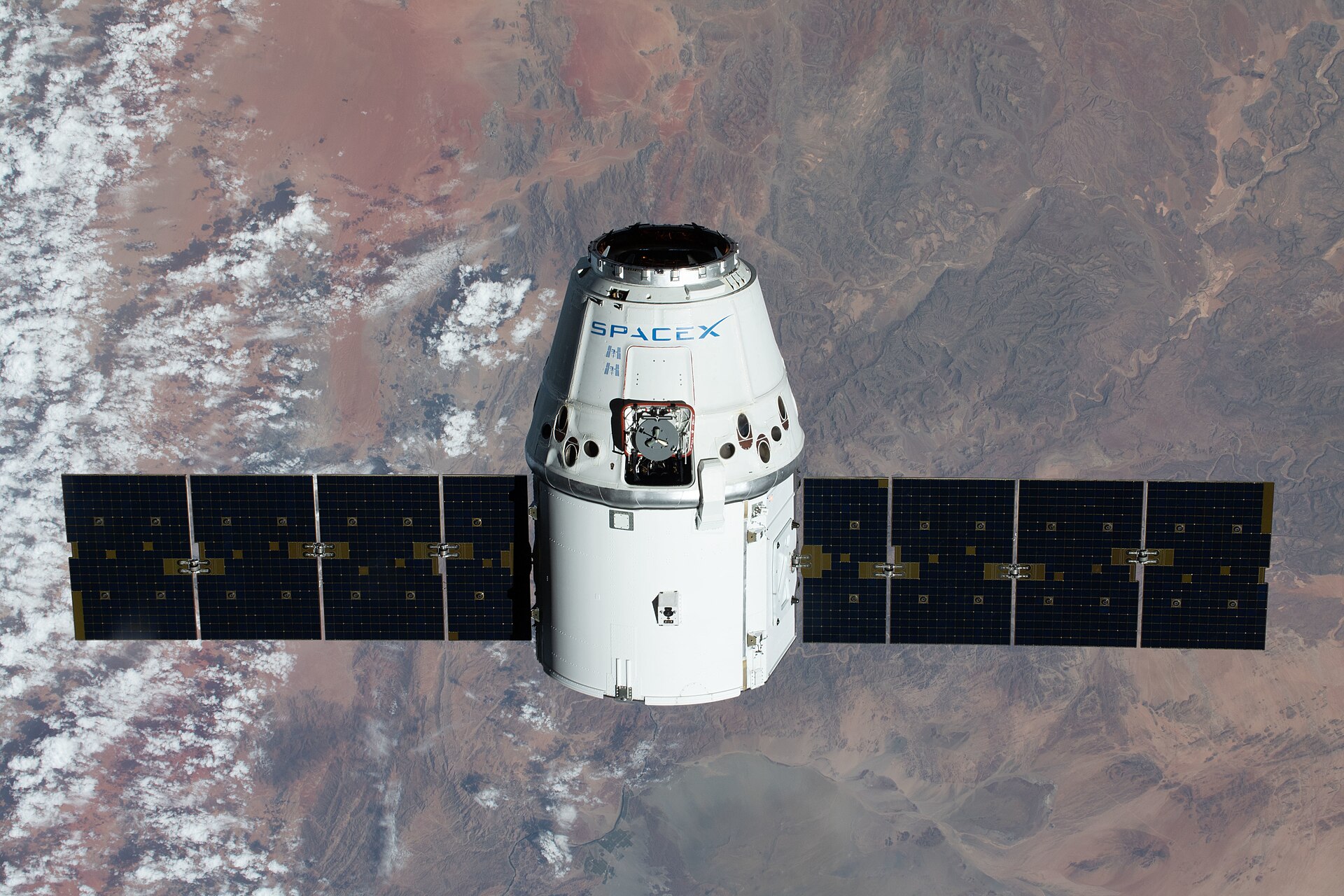
SpaceX has declared its intention to transform Starlink Mobile into a major mobile carrier in the United States. The company, led by Elon Musk, has moved beyond its current satellite-only direct-to-cell service to outline a comprehensive strategy for building a terrestrial 5G network. This ambitious move places the aerospace manufacturer in direct competition with established telecom giants AT&T, Verizon, and T-Mobile.
Qualcomm Partnership and Network Infrastructure
A central pillar of this expansion is a multi-year agreement with Qualcomm. Under the terms of the deal, SpaceX will deploy Qualcomm’s Dragonwing technology across tens of thousands of 5G cell sites. The first deployments are scheduled to begin in 2027. This partnership is designed to provide the hardware and software foundation for a hybrid network that combines SpaceX’s existing satellite constellation with ground-based infrastructure.
Gwynne Shotwell, SpaceX president, confirmed the company’s intent to build out terrestrial components during the firm’s first earnings call. She noted that spectrum acquired from EchoStar includes terrestrial rights, allowing SpaceX to construct the necessary hardware and systems for a full mobile service. The goal is to offer a network that rivals the capacity and coverage of existing major carriers.
Spectrum Acquisition and Tower Access
To support this network, SpaceX has acquired a significant portfolio of low-band spectrum licenses. The Federal Communications Commission is expected to approve the deal, which includes up to 14 megahertz of paired spectrum in the 800 MHz band. This specific frequency range is critical for mobile services because it allows signals to penetrate walls and buildings more effectively than higher frequencies.
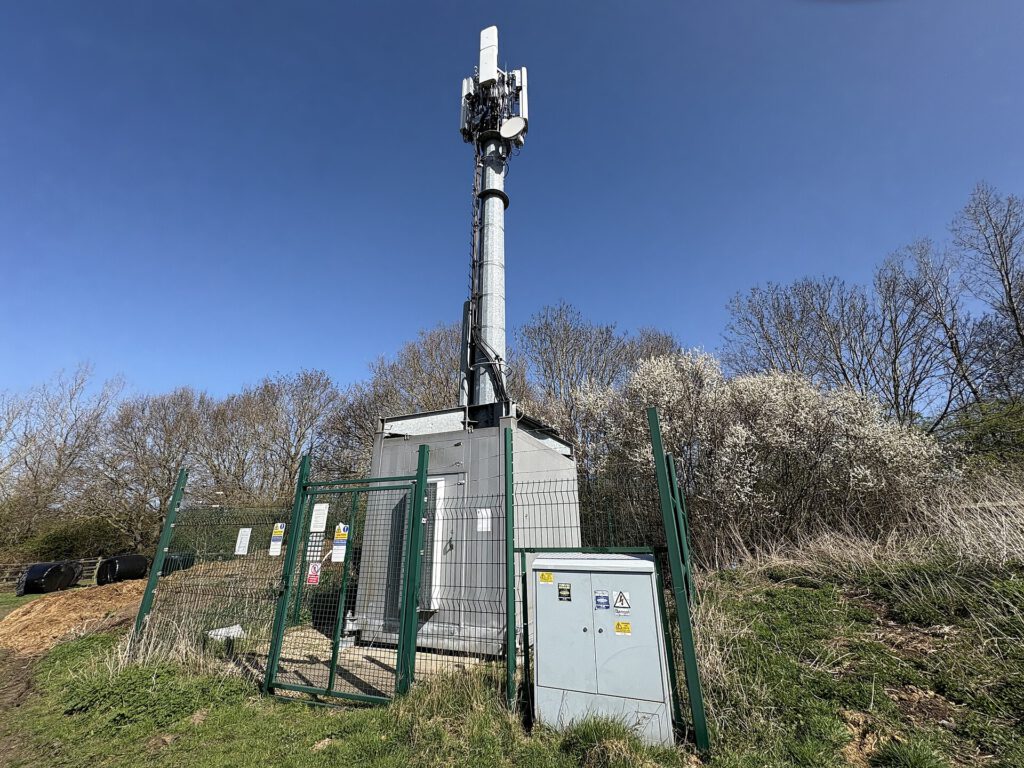
Building the network also requires physical access to cell towers. Reports indicate that SpaceX is in discussions with Crown Castle Inc., one of the largest cell tower owners in the nation. The company aims to access at least 80,000 cell sites, which would provide coverage for roughly half of the 158,500 operational towers in the US. Crown Castle CEO Chris Hillabrant stated that the company is talking to all potential parties, including SpaceX, Amazon, and other satellite services, though no specific customer details were disclosed.
Boost Mobile Acquisition Talks
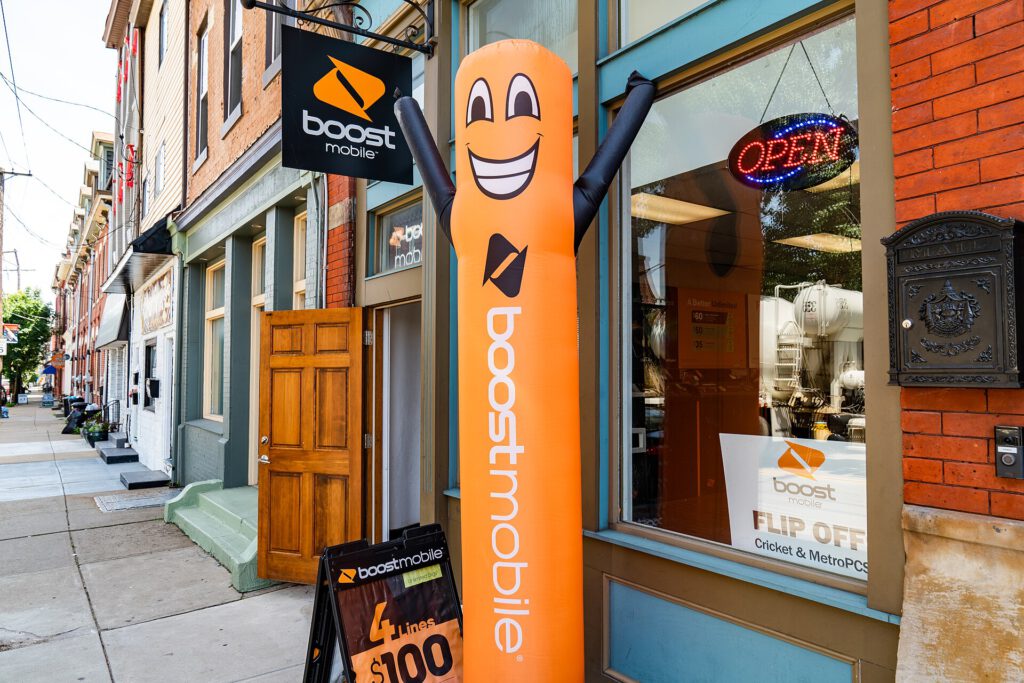
In addition to building its own infrastructure, SpaceX is exploring a shortcut to market through a potential acquisition of Boost Mobile. The Washington Post reported that Musk has discussed the deal with Charlie Ergen, chairman of Boost Mobile parent company EchoStar. If successful, SpaceX could launch Starlink Mobile services through the budget-friendly carrier’s existing customer base and network access.
Boost Mobile currently operates on networks powered by T-Mobile and AT&T. Launching a SpaceX-branded service through Boost would likely require permission from these two carriers. This strategy would allow SpaceX to quickly gain a foothold in the consumer market while its own terrestrial network is still under construction.
The telecom industry is watching these developments closely. Tim Höttges, CEO of Deutsche Telekom, which owns T-Mobile, stated that he takes SpaceX’s plans seriously. However, he also noted that building such a network could cost more than $200 billion. Despite the high costs and regulatory hurdles, SpaceX remains focused on deploying a network it describes as the world’s most advanced mobile service.
Source: The Verge
