


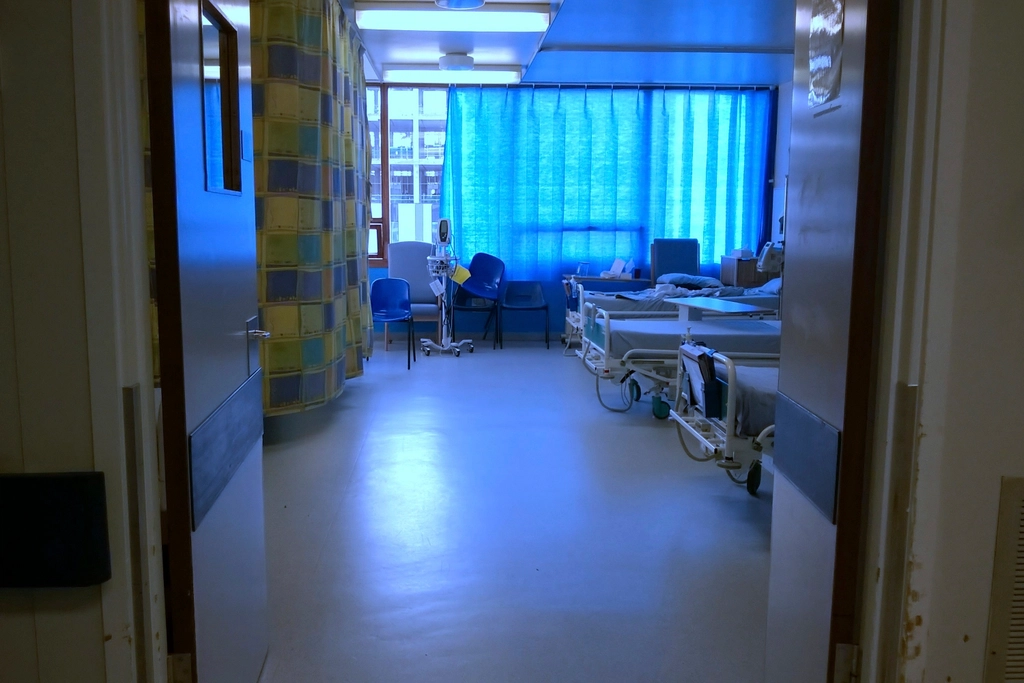
The UK government has announced a £140 million investment to expand urgent care services across England, aiming to alleviate pressure on the National Health Service (NHS) as it prepares for a demanding winter season. Health Secretary Yvette Cooper stated that the funding will support 14 distinct schemes nationwide, including the acquisition of new ambulance fleets and upgrades to emergency department infrastructure.
Cooper emphasized that the government has been preparing for seasonal health challenges since July. She acknowledged that the NHS is entering this period with heightened caution following an exceptionally busy summer. “Winter will be more challenging for our NHS this year, after such a heavy summer,” Cooper said. “That’s why we have been preparing early and investing in extra urgent care capacity to help get patients the care they need.”
Summer Strain and Early Winter Signals
The announcement comes in the wake of a summer marked by extreme heat and record patient attendance. Between June and August, nearly 7.3 million people visited accident and emergency (A&E) departments, representing the highest figure for any summer period on record. This surge placed significant strain on hospital resources and staff.

Medical experts have warned of a “twin crisis” facing the health service. This involves the lingering effects of record summer temperatures combined with the onset of typical winter illnesses such as influenza and norovirus. Prof Frankie Swords, the NHS’s national medical director, noted earlier this month that hospitals are showing “ominous” signs of an early flu season. She reported that hospital admissions for the virus are currently the highest she has recorded for this time of year, coinciding with an expected rise in coronavirus cases.
Investment in Same-Day Care
The £140 million allocation is designated for same-day emergency care and urgent treatment centres. Emma Rowland, the NHS England executive director for performance and delivery, stated that these investments are designed to help more patients receive appropriate treatment in the right location. “We know this winter will be tough for the NHS and we’re doing everything we can to reduce pressure on our emergency departments and make sure patients get the care they need, while protecting our staff,” Rowland said.

Rowland also urged eligible members of the public to get vaccinated against flu and other winter viruses to help mitigate the impact on the health service. The government’s strategy focuses on diverting patients away from A&E departments where possible, thereby reducing bottlenecks in emergency care.
However, the response from healthcare unions has been cautious. Patricia Marquis, the executive director of the Royal College of Nursing in England, described the funding as a welcome short-term measure but criticized it as insufficient for the long-term health of the system. She argued that the money acts as “just another sticking plaster on a system that is at breaking point.” Marquis highlighted that the nursing workforce is entering the winter already running on empty and short of staff. She called on ministers to use the upcoming budget to provide real investment in growing a nursing workforce fit for future demands.
Source: The Guardian
