


The United Kingdom is shifting its strategy for attracting visitors from India, focusing less on capturing new arrivals and more on directing existing travelers to destinations outside London. With 94% of direct seat capacity between the two nations bound for the capital, tourism officials argue that the next phase of growth depends on regional dispersal.
VisitBritain, the national tourism board, has set a visitor spend target of £1.5 billion ($2 billion) by 2030. This goal relies heavily on persuading Indian tourists to extend their stays and explore cities and landscapes beyond the traditional capital circuit. Patricia Yates, chief executive of VisitBritain, stated that the primary challenge is providing practical reasons and accessible itineraries for travelers to venture further afield.
Regional Capacity and Infrastructure
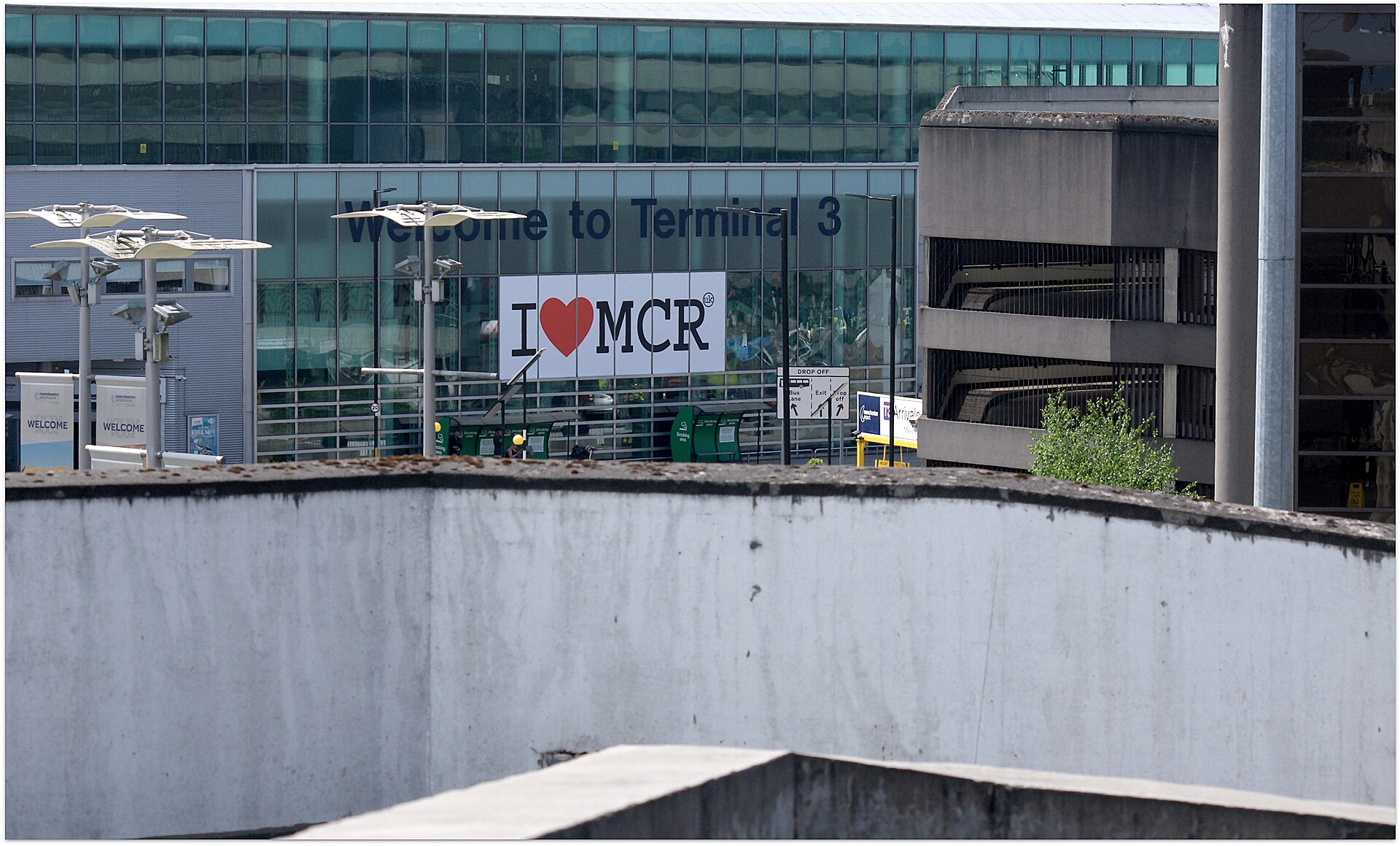
The structural bottleneck for regional tourism lies in air connectivity. Most direct flights from India land in London, leaving other major UK airports with limited direct access. However, infrastructure gaps are not absolute. Manchester Airport, a key hub for the North of England, currently operates with 50% spare runway capacity. This unused space offers a clear opportunity for airlines to introduce more direct routes from Indian cities, bypassing London entirely.
Yates noted that the tourism board is working with the travel trade to package regional attractions into bookable itineraries. The aim is to make non-London destinations as easy to sell and book as the capital, reducing the friction that currently keeps most visitors within a short radius of Heathrow or Gatwick.
Competition and Spending Patterns
The UK faces stiff competition for the Indian outbound market. Countries such as Abu Dhabi, Australia, Malaysia, and Sri Lanka are actively courting Indian tourists through visa waivers, bid funds, and targeted marketing campaigns. The UK risks being perceived as a “been there, done that” destination for repeat visitors who have already seen London. To counter this, VisitBritain is launching campaigns that highlight screen tourism, influencer partnerships, and AI-driven recommendations to showcase lesser-known regions.
Business travel presents a significant opportunity for regional spending. Indian business visitors currently account for 22% of arrivals but contribute 36% of total spending from this market. These travelers often extend their trips for leisure, providing a natural pathway to regional tourism if itineraries are designed to include stops outside the capital.
VisitBritain expects India to generate approximately £865 million ($1.1 billion) in visitor spending in 2026. The board projects this figure will rise to £1.5 billion by 2030, with visitor numbers increasing from 600,000 this year to 960,000. Achieving these numbers requires a fundamental shift in how the UK markets itself to Indian travelers, moving from a capital-centric model to a nationwide appeal.
Source: Skift
