


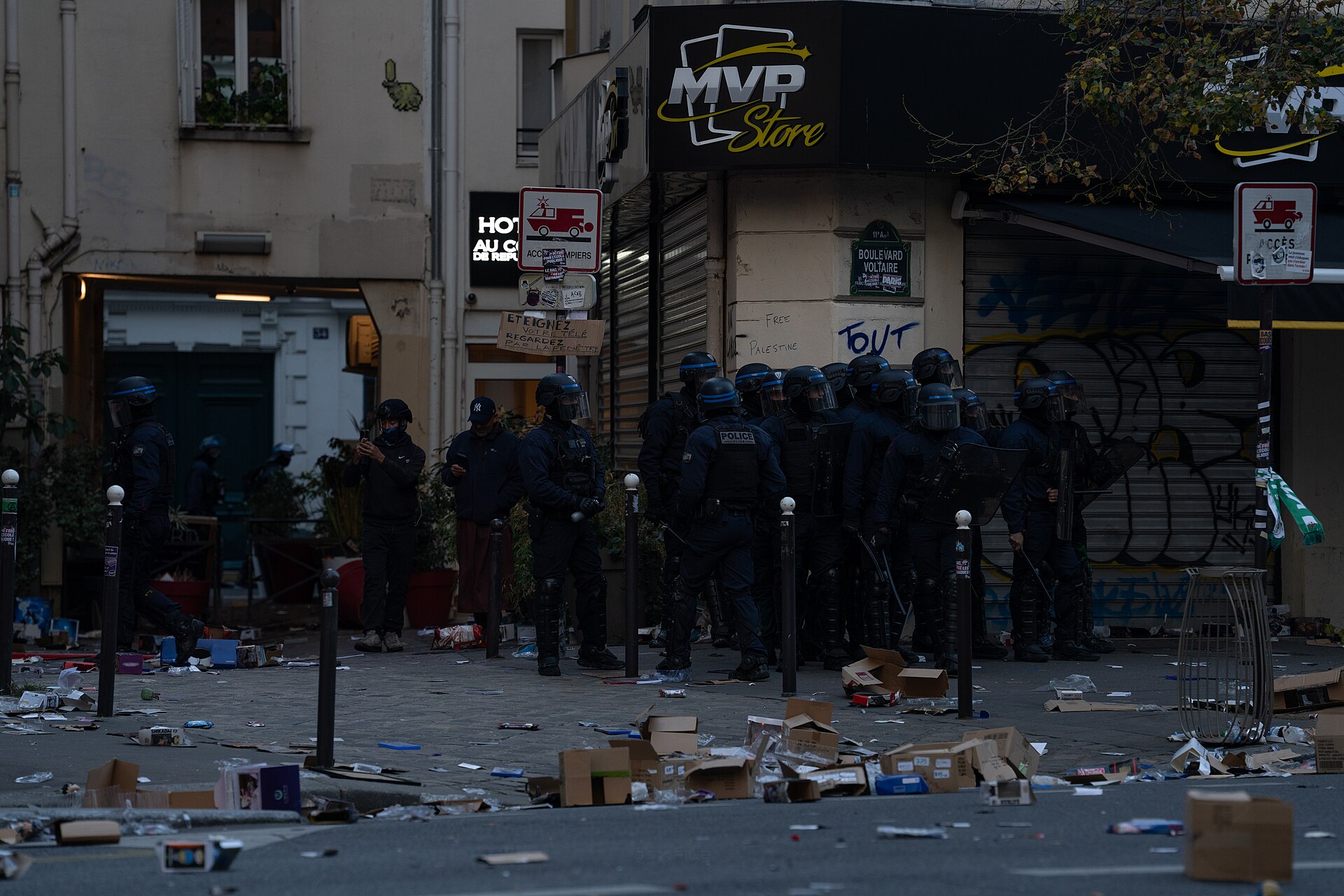
French authorities have imposed partial curfews in several major cities, including parts of Paris, following an admission by the interior minister that police lost control during violent weekend protests. The measures come as Prime Minister Sebastien Lecornu vows to restore public order after one of the most disruptive days of unrest in recent French history.
Partial curfews in Paris and northern cities
The government announced restrictions from 8pm to 6am on Monday and Tuesday nights in four northern cities, including Lille. In the capital, a curfew runs from 11pm Monday until 6am Tuesday in two specific zones: Place de la République, where significant rioting occurred on Saturday, and the Les Halles shopping district, which has faced repeated looting.
Lecornu stated after an emergency cabinet meeting that there was no question of imposing a full curfew on entire cities. He described the local and partial restrictions as more appropriate at this stage, though he noted that a state of emergency remained an option if deemed necessary.
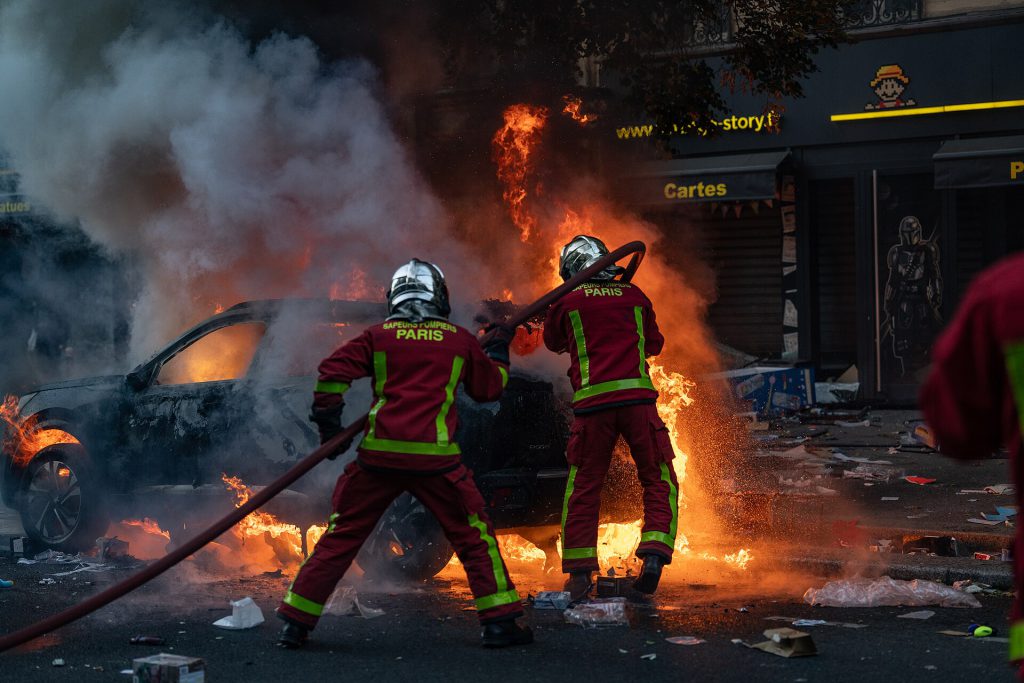
Marseille, France’s second city, independently banned all gatherings and demonstrations on Monday. The justice minister, Gerald Darmanin, emphasized that intelligence failures had left the state vulnerable, stating that good policing requires good intelligence. He added that about 80% of those arrested were being prosecuted.
Interior minister concedes failure
Interior Minister Laurent Nuñez acknowledged a lack of anticipation in preparations for the protests. He admitted that police numbers were sometimes inadequate to deal with rioters and looters on the fringes of the demonstrations. Nuñez had tendered his resignation to President Emmanuel Macron, feeling responsible for the events, but Macron refused the resignation.
Instead, Macron tasked Nuñez with ensuring transparency over planning and intelligence failures and implementing new operational methods for security forces. Nuñez told French radio that he could not look shopkeepers in the eye after hundreds of shops were looted and say the state had not lost control. He deployed 60,000 police and security forces nationwide but acknowledged this was insufficient against organized violent groups in Paris, Marseille, and Lyon.
Intelligence had predicted 200,000 demonstrators, but the actual turnout exceeded 500,000. Peaceful protests were hijacked, morphing into widespread violence. Authorities reported that nearly 2,400 people were arrested, with 70% being adults. Almost 1,000 police and gendarmes were injured, and an estimated 2,000 shops were ransacked.
Continued unrest and political fallout
Rioting and looting continued into Sunday. The mayor of Paris, Emmanuel Gregoire, said about 30 shops were targeted in the capital the previous day, with 350 people arrested overnight. He blamed the state for the failure to maintain public order and warned that the social movement would continue without a constructive political prospect.
Marseille’s mayor, Benoit Payan, described the situation as almost insurrectional, claiming the government’s stance amounted to petty political maneuvering that undermined the foundations of the Republic. On Monday, protesters blocked entrances to the Louvre Museum in support of the nationwide high school student protest movement.
France’s digital minister, Anne Le Henanff, summoned representatives from online resale platforms including Vinted and eBay to remove listings for stolen items. Representatives from Amazon, Leboncoin, Meta, and TikTok were also invited to the meeting. French unions have called for a new round of strikes and rallies on November 5.
Source: The Guardian
