


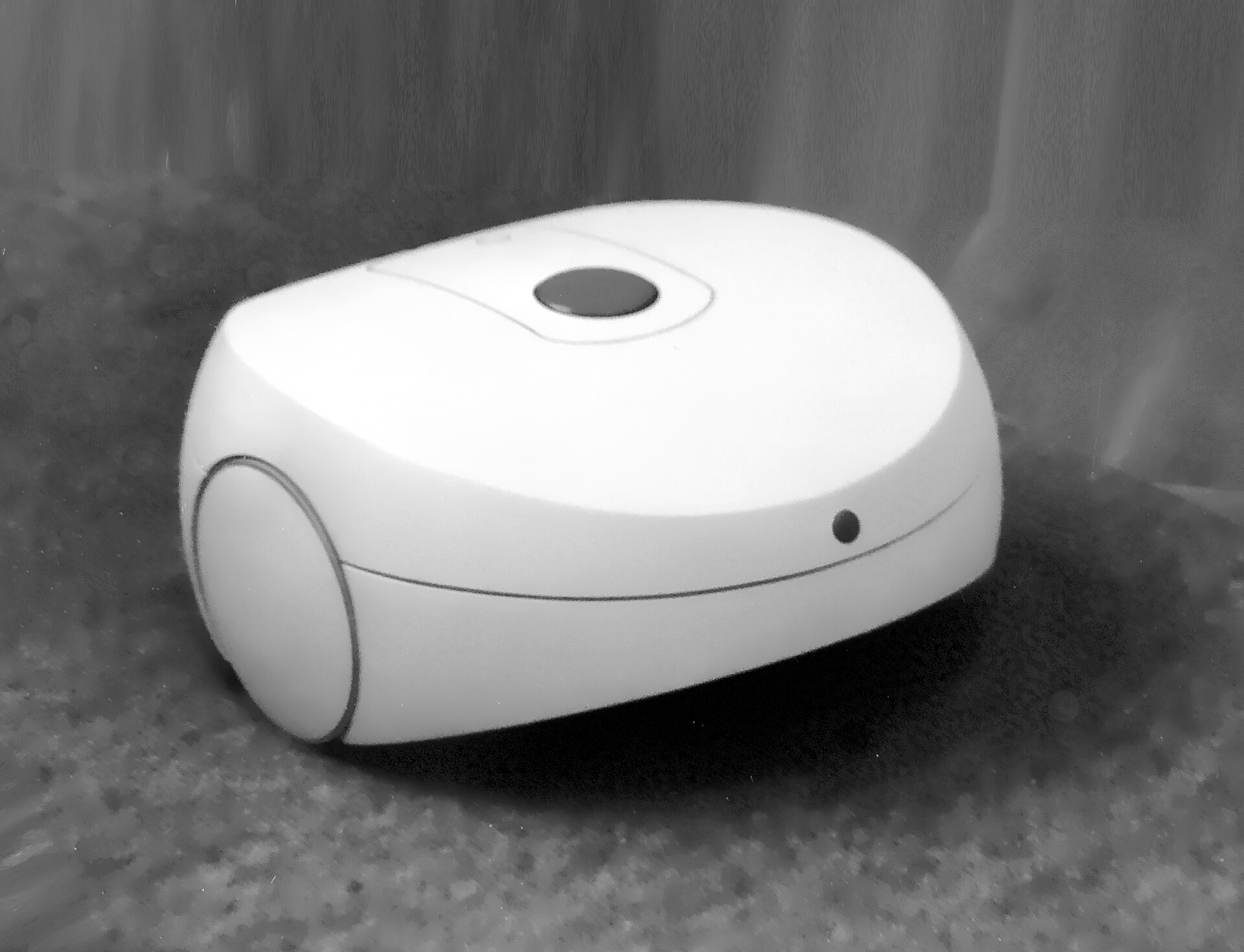
Robot vacuum privacy issues have moved beyond theoretical concerns into tangible security risks. Modern cleaning devices equipped with cameras, microphones, and mapping sensors can capture detailed information about your living space. This data often includes floor plans, cleaning schedules, and potentially private conversations or activities.
The convenience of remote monitoring comes with significant trade-offs. When a vacuum connects to the internet, it typically communicates with manufacturer servers. This cloud connectivity allows users to check cleaning progress from anywhere but also means personal data leaves the home. The specific information collected varies by model, ranging from basic device status to complex spatial maps of your property.
DJI Security Breach Highlights Systemic Flaws
A recent incident involving DJI underscores the severity of these vulnerabilities. Sammy Azdoufal discovered a backend permission error that allowed him to access and control approximately 7,000 robot vacuums worldwide. He was not targeting his own device but stumbled upon a server configuration that failed to restrict customer access to their specific hardware.
DJI addressed this specific security risk by releasing two software updates on February 10, 2026. The company confirmed that the server recognized legitimate customers but did not properly isolate their accounts from other devices. This failure highlights a fundamental weakness in access control systems. Complex passwords alone cannot fix architectural flaws in how user permissions are managed on the backend.
While this breach was resolved, it serves as a warning for the broader industry. Security vulnerabilities in connected home devices can expose users to unauthorized access. The incident demonstrates that even major manufacturers are susceptible to significant oversight in their security protocols.
Data Collection Practices Vary by Manufacturer
Not all robot vacuums operate with the same level of data transparency. Companies like iRobot collect extensive information through their connected models. Their privacy policy indicates that data sent to servers may include room names, floor types, detected objects, movement patterns, and Wi-Fi network details. This stream of information provides a comprehensive digital footprint of a household.
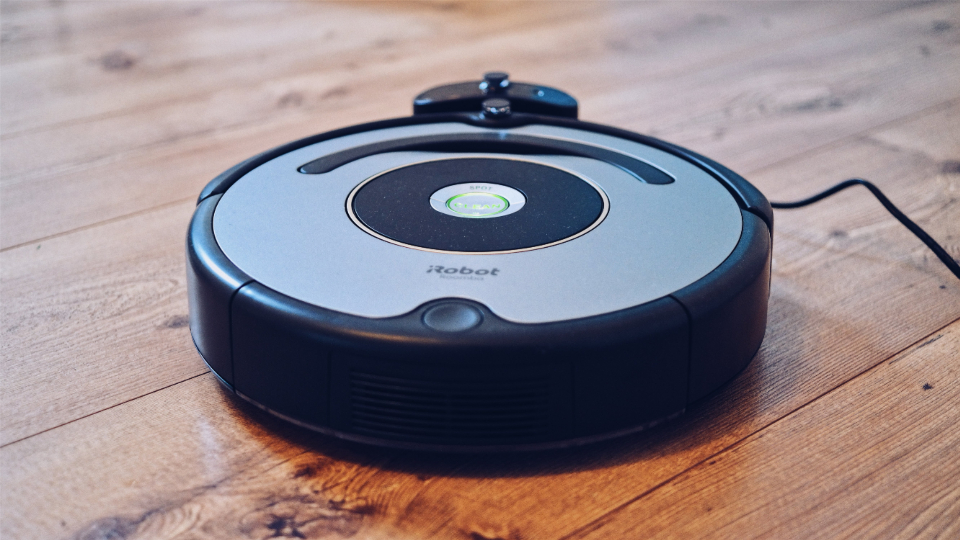
Consumers often overlook the extent of this data sharing. The assumption that a device is only cleaning floors ignores the secondary function of data generation. Features like object detection and room mapping require continuous data processing and transmission. This information can reveal sensitive details about daily routines and household composition.
Privacy-friendly alternatives do exist. Some brands prioritize local processing to minimize data exposure. For example, Matic states that maps are streamed to the app over home Wi-Fi with processing occurring on the robot itself. Remote access and support features are only activated with explicit consent and use encrypted connections. This approach offers a more controlled environment for user data.
Protecting Your Home Data
Experts recommend a cautious approach when purchasing or using smart vacuums. Reviewing the privacy policy before buying is essential. Look for devices that offer on-device navigation and image processing to keep data local. Avoid models with mandatory cloud features if minimizing data transmission is a priority.
For existing users, securing the device is critical. Setting strong passwords and enabling two-factor authentication adds layers of protection. Disabling remote viewing and other connected features reduces the attack surface. Keeping firmware updated ensures that known security vulnerabilities are patched.
The distinction between no camera and no data collection is important. Even camera-free models can generate detailed maps and send account information. Users must understand that removing one sensor does not eliminate all privacy risks. The goal is to minimize the amount of information leaving the home while maintaining necessary functionality.
Source: Engadget
