


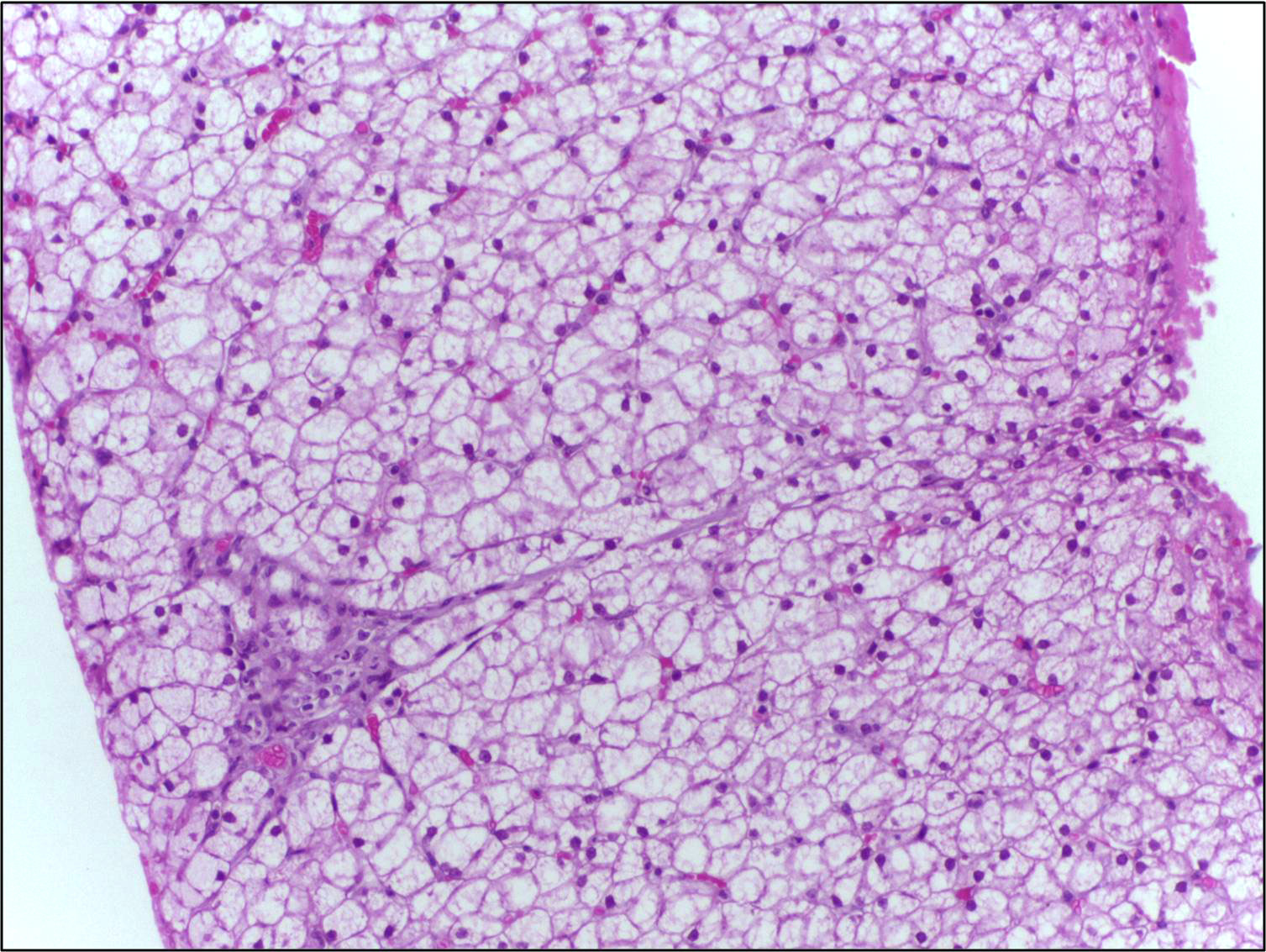
A common liver condition affecting nearly 30% of adults globally is far more complex than previously understood. Researchers at Mayo Clinic have identified five biologically distinct forms of metabolic dysfunction-associated steatotic liver disease, or MASLD. Each subtype carries different risks for serious health complications, including heart disease, liver failure, cancer, and the need for a liver transplant.
The findings, published in Nature Communications, come from a collaboration between Mayo Clinic and Virginia Tech. Scientists discovered that MASLD can develop through several different biological pathways. Some forms are closely connected to obesity and diabetes, while others appear to be driven by inherited genetic differences.
Genetic Drivers and Disease Progression
One of the most important findings involves the genetic forms of the disease. These subtypes are associated with a greater likelihood of progressing to advanced liver damage, even in people who do not have the metabolic risk factors typically linked to fatty liver disease. By identifying these differences, doctors may eventually be able to recognize vulnerable patients sooner, improve screening, and select treatments based on the specific biological processes responsible for their illness.
“When clinical and genomic data are analyzed together at this scale, you begin to see patterns of disease progression that would otherwise remain hidden,” says Shulan Tian, Ph.D., co-senior author and a bioinformatician at Mayo Clinic. “Once you separate these subtypes, you can start to match treatments to the biology that’s actually driving the disease.”
MASLD, previously known as nonalcoholic fatty liver disease, develops when excess fat accumulates in the liver. Many people experience no noticeable symptoms, allowing the condition to go undetected for years. Although fatty liver disease does not always cause serious complications, it can progress to inflammation, scarring, and permanent liver damage. Over time, severe cases may develop into cirrhosis, a condition in which extensive scarring prevents the liver from functioning properly.
Large-Scale Data Analysis Reveals Subtypes
To investigate these differences, the research team examined genetic sequencing results alongside extensive medical information from more than 4,600 patients diagnosed with MASLD. Their analysis included liver enzyme measurements, body mass index, blood lipid levels, and other indicators of metabolic health. The researchers also considered additional medical conditions, including diabetes, depression, and sleep apnea.
Using advanced computer models, they searched for patterns connecting patients with similar genetic characteristics and clinical findings. This approach revealed five distinct groups, each with its own underlying biological features. The results suggest that patients who receive the same fatty liver disease diagnosis may actually have substantially different forms of the condition, with different risks of developing serious complications.
“What’s emerging here is a way to systematically identify meaningful subgroups within complex disease,” says Eric Klee, Ph.D., co-senior author and the Everett J. and Jane M. Hauck Midwest Associate Director of Research and Innovation. “It helps us map complex disease with such precision that we can begin to anticipate its course and intervene before the most serious damage occurs.”
The researchers relied on Mayo Clinic’s Research Data Atlas, a system designed to connect patients’ genetic information with detailed medical records. By bringing these large collections of data together, scientists can detect relationships that might be difficult to recognize when studying individual patients. Dr. Klee helped develop the platform, which draws on resources including the Tapestry Study. That project has produced Mayo Clinic’s largest collection of exome data, involving more than 100,000 participants.

Broader Health Connections and Future Treatments
The findings also suggest that the differences between fatty liver disease subtypes extend beyond the liver itself. For the first time, researchers identified associations between particular MASLD subtypes and conditions such as depression, sleep apnea, and migraine. These connections suggest that the biological processes underlying certain forms of fatty liver disease may be linked to health problems affecting multiple parts of the body.
Although the findings do not establish that fatty liver disease directly causes these conditions, they highlight how closely liver health may be connected to other biological systems. “This is exactly the kind of insight large-scale genomic research was built to deliver,” says Konstantinos Lazaridis, M.D., the Carlson and Nelson Endowed Executive Director for the Center for Individualized Medicine who led the Tapestry Study and is a co-author of the research. “When you connect genetic data with detailed clinical information across large populations, you can start to redefine diseases in ways that directly impact patient care.”
The discovery could eventually change how doctors assess and treat MASLD. Rather than approaching every patient as though they have the same disease, clinicians may be able to use genetic and clinical information to determine which subtype is present and which complications are most likely to develop. Such an approach could be particularly valuable for identifying patients with genetic forms associated with severe liver damage, including those who appear to have relatively few conventional risk factors.
The research team now plans to evaluate its findings in larger and more diverse patient populations. Scientists also want to determine whether different subtypes respond differently to available treatments, including GLP-1 receptor agonists, a class of medications used to treat conditions such as type 2 diabetes and obesity.
Source: ScienceDaily
